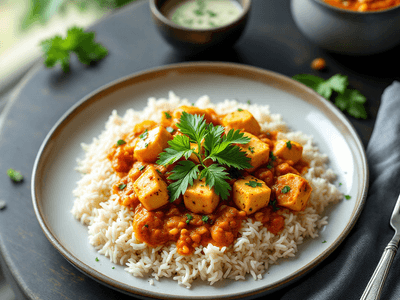
📸 Image coming soon for Red Bean Curry
Red Bean Curry
Lunch • India
How to Make Red Bean Curry (Traditional & Healthy Version)
Red Bean Curry, known locally as Rajma Curry, is a beloved North Indian vegetarian dish that has found its way into the hearts and kitchens across India. Originating from the lush valleys of Punjab, Rajma is a staple in Punjabi households and is often served with steamed basmati chawal (rice) for a comforting meal. The dish features red kidney beans slow-cooked in a richly spiced tomato-onion gravy, creating a harmonious blend of flavors that is both hearty and satisfying. Rajma Curry is a popular choice during family gatherings, festive occasions, and special Sunday lunches, making it a cultural icon in Indian cuisine. What sets this healthy Red Bean Curry recipe apart is its focus on traditional Indian spices—like jeera (cumin), dhania (coriander), and garam masala—while keeping the use of oil to a minimum. The result is a nutrient-rich, protein-packed dish that caters to modern health needs without compromising on authentic taste. This recipe is ideal for those looking to enjoy Indian comfort food while tracking their calories and macros, and it’s perfect for serving during festivals like Lohri or even as a wholesome everyday lunch.
Ingredients(for 1 medium bowl (approx. 250g cooked curry) per serving)
- 1 cup Red kidney beans (Rajma) (soaked overnight)
- 1 medium Onion (finely chopped (pyaz))
- 2 medium Tomato (pureed (tamatar))
- 1 tablespoon Ginger-garlic paste (adrak-lehsun paste)
- 1 teaspoon Cumin seeds (jeera)
- 1 teaspoon Coriander powder (dhania powder)
- 1/2 teaspoon Red chili powder (lal mirch)
- 1/4 teaspoon Turmeric powder (haldi)
- 1/2 teaspoon Garam masala (optional for extra aroma) - optional
- to taste Salt (namak)
- 1 tablespoon Oil (preferably mustard oil (sarson ka tel) or vegetable oil)
- 2 tablespoons Fresh coriander leaves (hara dhania, chopped for garnish) - optional
Instructions
- 1
Wash and soak the red kidney beans (rajma) overnight in plenty of water. The next day, drain and rinse the beans.
5 minutes
Soaking ensures faster cooking and better digestion.
- 2
Pressure cook the soaked rajma with 2.5 cups of water and a pinch of salt for 12-15 minutes (about 3-4 whistles) until soft.
15 minutes
Beans should be soft but not mushy. Test by pressing one between your fingers.
- 3
Heat oil in a kadhai or deep pan. Add cumin seeds; when they splutter, add chopped onions. Sauté until golden brown.
5 minutes
Use minimal oil to keep it healthy without compromising flavor.
- 4
Add ginger-garlic paste. Sauté for 1 minute until raw aroma disappears.
2 minutes
Stir continuously to prevent burning.
Why This Dish is Healthy
This Red Bean Curry recipe is a wholesome meal option, as it uses heart-healthy oils, minimal fat, and is loaded with protein and fiber. The slow-cooked rajma releases nutrients efficiently, making it a balanced option for lunch. Including a variety of Indian spices also offers anti-inflammatory and digestive benefits. It’s low in saturated fat and high in complex carbs, supporting weight management and overall wellness.
Red Bean Curry is a powerhouse of plant-based protein and dietary fiber, making it an excellent choice for vegetarians and those monitoring their macros. Rajma is rich in complex carbohydrates, which provide sustained energy, and it contains essential minerals like magnesium, potassium, and iron. The use of fresh tomatoes, onions, and minimal oil ensures you get ample vitamins and antioxidants in each serving. This dish is naturally gluten-free and can be easily adapted for vegan diets.
Pro Tips
- 💡Tip 1: Always soak rajma overnight for better texture and digestibility.
- 💡Tip 2: Mashing a few beans while simmering thickens the gravy naturally.
- 💡Tip 3: Add a pinch of kasuri methi (dried fenugreek leaves) at the end for extra aroma.
Storage & Serving
Store leftover Rajma Curry in an airtight container in the refrigerator for up to 2 days. Reheat gently on a tawa or in a microwave, adding a splash of water if needed to adjust consistency.
Best served: Lunch
Nutrition Facts
| Nutrient | Per 100g |
|---|---|
| Energy | 220.0 kcal |
| Protein | 5.0 g |
| Carbohydrates | 18.0 g |
| Total Fat | 2.0 g |
| Fiber | 5.0 g |