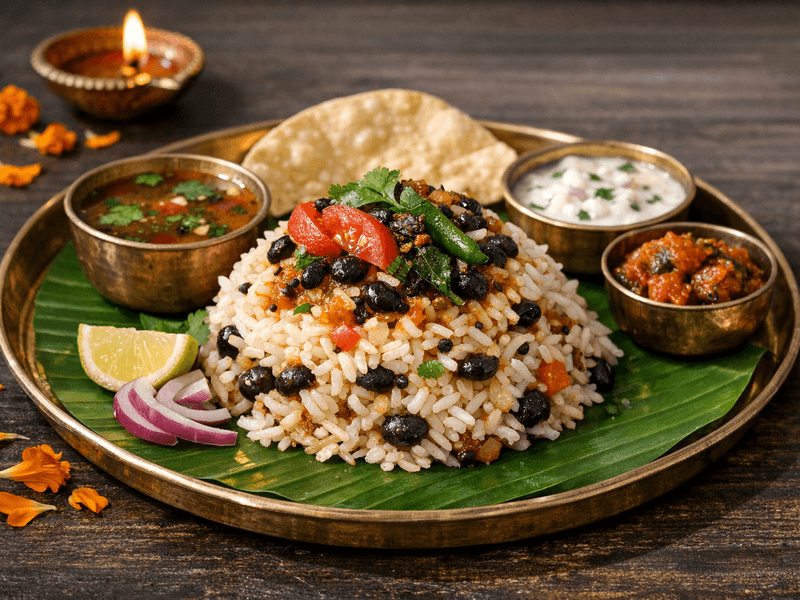
Rasam Rice with Black Beans
Lunch • India
How to Make Rasam Rice with Black Beans (Traditional & Healthy Version)
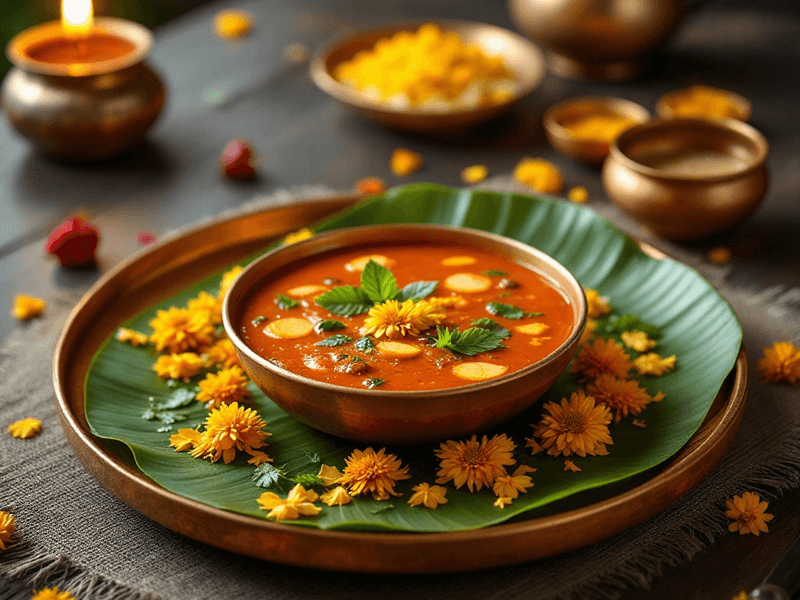
Rasam Rice with Black Beans is a flavorful South Indian dish that brings together the tangy, spicy notes of classic rasam with the earthy richness of black beans, served over steaming, fluffy rice. Rasam, a staple in Tamil Nadu, Karnataka, and Andhra Pradesh households, is cherished for its comforting warmth and digestive benefits. The addition of black beans (kala rajma) offers a modern, protein-rich twist while maintaining the authenticity of Indian flavors. This wholesome meal is perfect for lunch, especially during the monsoon or winter seasons, when the peppery rasam soothes the soul. Traditionally, rasam is prepared with tamarind, tomatoes, and a blend of spices known as rasam powder, making it both aromatic and healing. By including black beans, the dish gains a nutritional boost, supporting muscle repair and satiety, which is ideal for those seeking a balanced vegetarian meal. Rasam rice is commonly enjoyed across South India, especially during festivals like Pongal and Tamil New Year, symbolizing comfort and abundance. Its delightful taste, simplicity, and health-conscious approach make it a favorite for families and fitness enthusiasts alike.
Ingredients(for 1 medium bowl per person)
- 2 cups Cooked rice (Use sona masoori or any short-grain rice)
- 1 cup Black beans (kala rajma) (Soaked overnight and boiled)
- 2 tablespoons Tamarind pulp (Imli)
- 2 medium Tomatoes (Chopped)
- 2 teaspoons Rasam powder (Homemade or store-bought)
- 8-10 leaves Curry leaves (Kadi patta)
- 1/2 teaspoon Mustard seeds (Rai)
- 1/2 teaspoon Cumin seeds (Jeera)
- 1/2 teaspoon Black pepper powder (Kali mirch)
- 1/4 teaspoon Turmeric powder (Haldi)
- to taste Salt
- 1 teaspoon Ghee or cold-pressed oil (Preferably coconut oil for authenticity)
- 2 tablespoons Coriander leaves (Finely chopped) - optional
Instructions
- 1
Soak black beans (kala rajma) overnight. Pressure cook with a pinch of salt until soft (about 4-5 whistles). Drain and set aside.
8 minutes
Ensure beans are soft but not mushy for best texture.
- 2
In a deep pan (kadhai), heat ghee or oil. Add mustard seeds and cumin seeds. Once they splutter, add curry leaves.
2 minutes
Tempering (tadka) is crucial for authentic flavor.
- 3
Add chopped tomatoes and sauté until soft. Stir in turmeric powder and black pepper powder.
3 minutes
Cooking tomatoes well enhances the tangy base of rasam.
- 4
Add tamarind pulp and 2 cups of water. Mix in rasam powder and salt. Bring to a gentle boil.
4 minutes
Adjust water to get your preferred rasam consistency.
Why This Dish is Healthy
This dish is low in saturated fat, free from refined sugars, and uses minimal oil. The inclusion of black beans significantly boosts protein and fiber content, making it suitable for weight management and heart health. Traditional spices not only enhance flavor but also contribute to overall well-being, making Rasam Rice with Black Beans a nutrient-dense, health-conscious choice for vegetarians and fitness enthusiasts.
Rasam Rice with Black Beans offers a perfect balance of complex carbohydrates, plant-based protein, and dietary fiber. Black beans are high in protein and iron, supporting muscle health and energy. The dish is rich in antioxidants from tomatoes and spices like turmeric and black pepper, which offer anti-inflammatory benefits. Tamarind aids digestion, and curry leaves provide essential micronutrients such as vitamin C and calcium.
Pro Tips
- 💡Tip 1: Always soak black beans overnight for better texture and digestibility.
- 💡Tip 2: Use homemade rasam powder for authentic flavor.
- 💡Tip 3: Add a dash of hing (asafoetida) in tempering for enhanced aroma.
Storage & Serving
Store leftover rasam and rice separately in airtight containers in the refrigerator for up to 2 days. Reheat rasam gently on the stove; sprinkle water on rice before microwaving for softness.
Best served: Lunch
Nutrition Facts
| Nutrient | Per 100g |
|---|---|
| Energy | 345.0 kcal |
| Protein | 4.0 g |
| Carbohydrates | 22.0 g |
| Total Fat | 1.0 g |
| Fiber | 2.0 g |