Rasam Rice with Beans
Lunch • India
How to Make Rasam Rice with Beans (Traditional & Healthy Version)
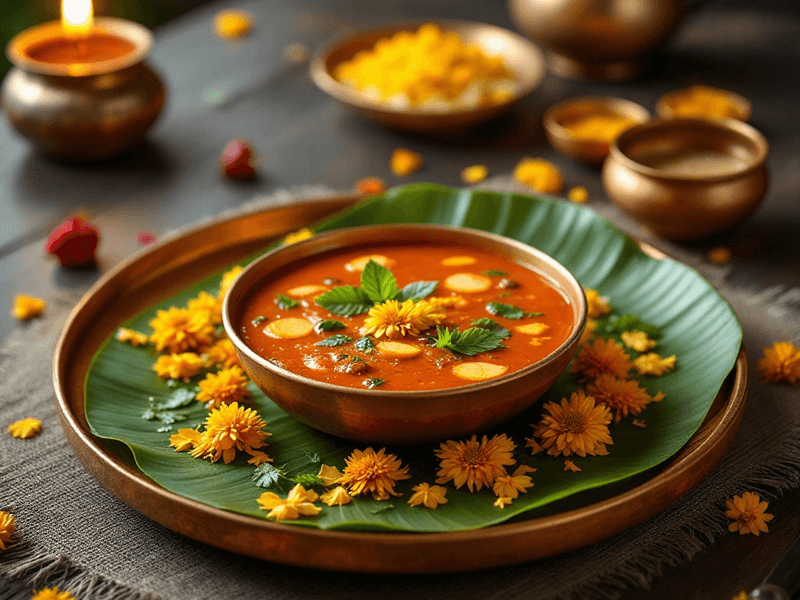
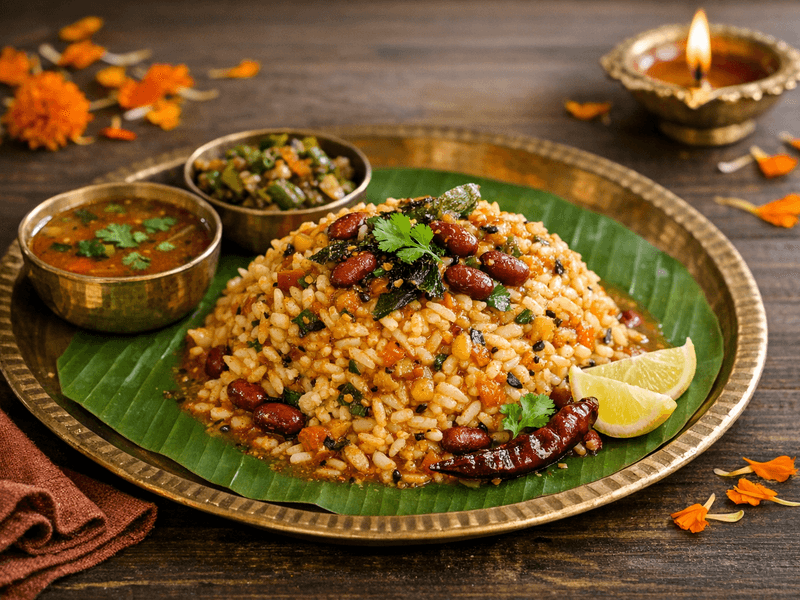
Rasam Rice with Beans is a cherished South Indian lunch staple, celebrated for its comforting flavors and nutritional balance. Originating in Tamil Nadu and Karnataka, this dish combines steaming hot rice with tangy, spiced rasam (a tamarind-based broth) and wholesome beans (commonly known as 'kathirikai' or 'beans poriyal' as a dry side). The mild heat from black pepper, the earthy aroma of jeera (cumin), and fresh curry leaves make the rasam irresistibly aromatic, while the beans offer a crisp, protein-rich contrast. This meal is deeply rooted in Indian culture, often featured in home-cooked meals, festive spreads, and religious offerings such as during Pongal and Tamil New Year. Rasam, believed to aid digestion and immunity, is a comfort food enjoyed across the southern states. Serving rasam rice with beans not only enhances taste but also adds fiber and plant-based protein, making it ideal for health-conscious families. Whether enjoyed on a regular day or as part of a festive thali, this dish is both satisfying and nourishing.
Ingredients(for 1.5 cups rasam rice with 1/2 cup beans poriyal per serving)
- 1 cup Short-grain rice (use sona masuri or ponni for authenticity)
- 1/4 cup Toor dal (arhar dal) (yellow split pigeon peas)
- 1 cup, chopped Green beans (French beans) (haricot or local beans)
- 2 tablespoons Tamarind pulp (imli)
- 2 medium, chopped Tomatoes (tamatar)
- 1/2 teaspoon Mustard seeds (rai)
- 1/2 teaspoon Cumin seeds (jeera)
- 8-10 Curry leaves (kadi patta)
- 1/2 teaspoon, coarsely ground Black pepper (kali mirch)
- 1/4 teaspoon Turmeric powder (haldi)
- 1/4 teaspoon Red chilli powder (lal mirch) - optional
- a pinch Hing (asafoetida) (optional but authentic) - optional
- to taste Salt
- 2 teaspoons Oil (use gingelly oil or any neutral oil)
- 1 tablespoon, chopped Fresh coriander leaves (dhaniya for garnish) - optional
Instructions
- 1
Rinse the rice and toor dal together 2-3 times. Add 2.5 cups of water and pressure cook for 3 whistles or until soft and mushy.
10 minutes
Soak rice and dal for 10 minutes to speed up cooking.
- 2
Soak tamarind in 1/2 cup warm water for 10 minutes. Squeeze and strain to extract the pulp.
10 minutes
Use seedless imli for convenience.
- 3
In a kadhai, heat 1 teaspoon oil. Add mustard seeds, cumin seeds, curry leaves, and hing. Let them splutter.
2 minutes
Do not burn spices; keep flame low.
- 4
Add chopped tomatoes, turmeric, and a pinch of salt. Sauté until tomatoes turn soft.
3 minutes
Mash tomatoes with the back of a spoon for faster cooking.
Why This Dish is Healthy
This dish is a healthy choice because it combines low-GI rice with protein-rich dal and fiber-packed beans, delivering sustained energy and fullness. The use of spices boosts metabolism and digestion, while low oil content keeps calories in check. Free from processed ingredients and artificial additives, Rasam Rice with Beans is ideal for daily meals, weight loss, and diabetic diets. It’s also easily adaptable for vegan and gluten-free diets.
Rasam Rice with Beans is a wholesome combination offering complex carbohydrates, plant-based protein, and dietary fiber. Toor dal provides essential amino acids, while beans are rich in iron, folate, and vitamins A, C, and K. The use of tomatoes and tamarind adds antioxidants, and spices like turmeric and black pepper aid in immunity and digestion. Minimal oil is used, making it heart-friendly and low in saturated fat. This meal supports gut health, weight management, and blood sugar balance.
Pro Tips
- 💡Tip 1: Use gingelly oil (til ka tel) for authentic flavor and added health benefits.
- 💡Tip 2: Adjust tamarind and black pepper to control tanginess and heat as per family preference.
- 💡Tip 3: Add a pinch of jaggery for subtle sweetness if desired.
Storage & Serving
Rasam rice and beans poriyal are best consumed fresh. Store leftovers in airtight containers in the refrigerator; rasam can be reheated gently. Consume within 24 hours for optimal taste and nutrition.
Best served: Breakfast or Lunch
Nutrition Facts
| Nutrient | Per 100g |
|---|---|
| Energy | 320.0 kcal |