Ragi Puttu
Lunch • India
How to Make Ragi Puttu (Traditional & Healthy Version)
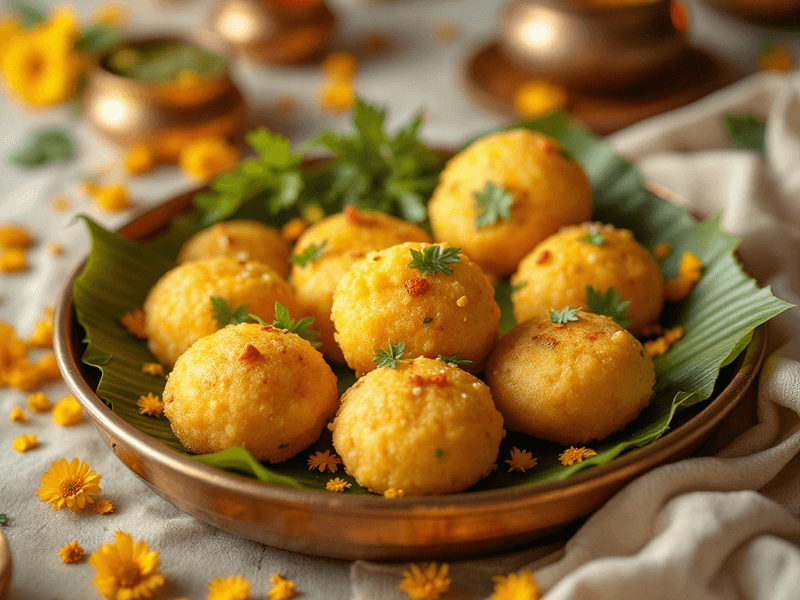
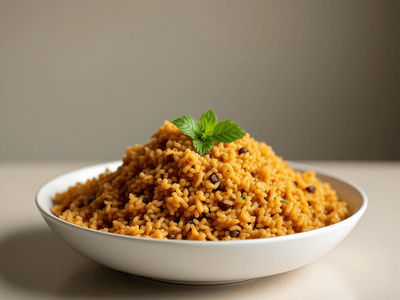
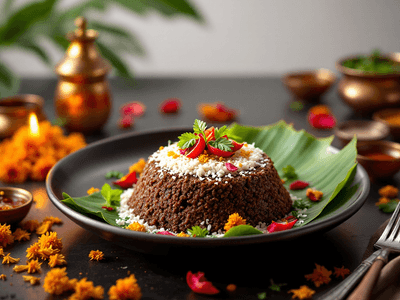
Ragi Puttu is a beloved South Indian delicacy, particularly popular in the states of Kerala, Tamil Nadu, and Karnataka. Made using ragi (nachni/finger millet) flour, this steamed dish is a wholesome, gluten-free alternative to the classic rice puttu. Its earthy flavor and soft, crumbly texture make it a comforting choice for lunch, especially when paired with kadala curry (black chickpea curry) or simply enjoyed with fresh coconut and jaggery. Ragi, known as nachni in Hindi and kezhvaragu in Tamil, has been a staple in Indian households for centuries, often celebrated for its rich nutritional profile. Ragi Puttu is not only a nutritious meal but also has deep cultural significance, being prepared during festivals like Vishu and Onam in Kerala. This dish is a great way to incorporate millet into your daily diet, embracing the traditional Indian wisdom of using locally available grains. Ragi Puttu, with its nutty taste and subtle sweetness from fresh coconut, is an excellent option for those looking for wholesome, home-cooked Indian meals.
Ingredients(for 1 medium bowl (approx. 150g))
- 1 cup Ragi flour (nachni atta)
- 1/2 cup Grated fresh coconut (nariyal)
- 1/4 tsp Salt (namak)
- 1/2 cup (as needed) Water (pani)
- 2 tbsp Jaggery (gur, optional for sweetness) - optional
- 1 tbsp Roasted chana dal (bhuna chana dal, optional for crunch) - optional
- 1/4 tsp Cardamom powder (elaichi powder, optional) - optional
- 1 tsp Ghee (clarified butter, for flavor (optional)) - optional
Instructions
- 1
Sieve the ragi atta (flour) into a large mixing bowl. Add salt and mix well. Gradually sprinkle water while mixing with your fingers, until the mixture becomes moist and crumbly. It should hold shape when pressed but break apart easily.
5 minutes
Add water slowly to avoid lumps; the texture should be like wet sand.
- 2
Let the ragi mixture rest for 5-10 minutes, covered with a damp cloth. This helps the flour absorb moisture evenly.
10 minutes
Resting ensures soft and fluffy puttu.
- 3
In a puttu maker or idli steamer, layer 1-2 tbsp grated coconut at the base. Add a layer of moistened ragi mixture, then another layer of coconut. Repeat until all the mixture is used up, finishing with coconut on top.
3 minutes
Layering with coconut enhances flavor and texture.
- 4
Steam the filled puttu maker or idli steamer for 10-12 minutes on medium heat, until the puttu is cooked through and aromatic.
12 minutes
Do not over-steam; ragi dries out quickly.
Why This Dish is Healthy
This dish is a smart choice for weight watchers and those with diabetes, thanks to ragi’s low glycemic index and high fiber content which help regulate blood sugar levels. It is low in saturated fat and cholesterol, making it heart-friendly. The steaming process keeps the calorie count low, and you can further customize it with minimal ghee or by skipping sweeteners for an even healthier version. Ragi Puttu is a wholesome, nourishing meal that fits seamlessly into a balanced, Indian vegetarian diet.
Ragi Puttu is packed with complex carbohydrates, plant-based protein, and dietary fiber, making it a great source of sustained energy. Ragi is rich in calcium, iron, and essential amino acids, supporting bone health and immunity. The addition of fresh coconut provides healthy fats and micronutrients, while jaggery adds trace minerals like iron and magnesium. Being naturally gluten-free, Ragi Puttu is gentle on the gut and suitable for those with gluten allergies. Steaming retains most nutrients and minimizes added fats.
Pro Tips
- 💡Tip 1: Use freshly grated coconut for authentic flavor and moistness.
- 💡Tip 2: Adjust water carefully; too much makes it sticky, too little makes it dry.
- 💡Tip 3: For added nutrition, mix a little powdered flaxseed or chia seeds in the ragi flour.
Storage & Serving
Store leftover Ragi Puttu in an airtight container in the refrigerator for up to 1 day. Re-steam or microwave with a sprinkle of water before serving to restore moisture.
Best served: Breakfast or Lunch
Nutrition Facts
| Nutrient | Per 100g |
|---|---|
| Energy | 170.0 kcal |
| Protein | 3.0 g |
| Carbohydrates | 24.0 g |
| Total Fat | 1.0 g |
| Fiber | 4.0 g |