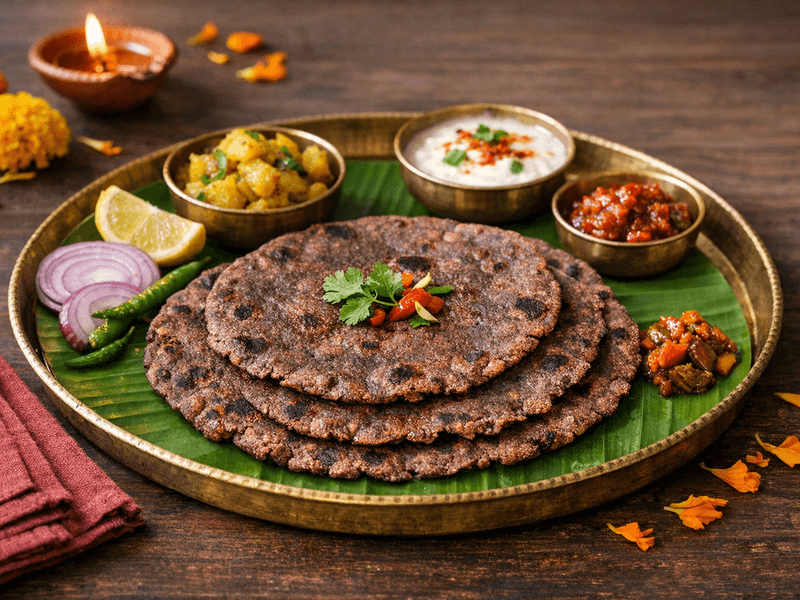
Ragi Flour Roti
Lunch • India
How to Make Ragi Flour Roti (Traditional & Healthy Version)
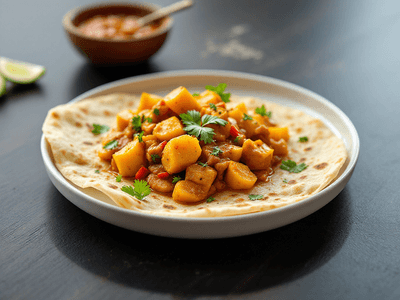
Ragi Flour Roti, also known as Nachni Roti or Finger Millet Flatbread, is a wholesome dish rooted in South Indian cuisine, especially Karnataka and Tamil Nadu. Ragi, or finger millet, has been celebrated in Indian kitchens for centuries due to its nutritional value and versatility. These rotis are commonly consumed for lunch and are a staple during festivals like Ugadi and Sankranti, where healthy grains take center stage. The earthy flavor of ragi is beautifully balanced with simple spices, making the roti a delightful addition to any meal. Ragi Flour Roti is an excellent choice for those looking to enjoy traditional Indian food while prioritizing their health. Its nutty taste, soft texture, and ability to pair well with sabzi, chutney, or curd make it a favorite among families. Given its high fiber and mineral content, ragi is recommended by nutritionists for weight loss and diabetic diets. The rotis are easy to prepare, requiring minimal ingredients and simple steps, making them perfect for busy Indian households. Whether for a festive lunch or everyday thali, Ragi Flour Roti brings together authenticity, nutrition, and taste in one wholesome package.
Ingredients(for 2 rotis per serving)
- 1 cup Ragi flour (nachni atta)
- 3/4 cup Water
- 1/2 tsp Salt (namak)
- 1 tsp Oil (til or peanut oil)
- 1 finely chopped Green chili (mirch) - optional
- 2 tbsp finely chopped Coriander leaves (dhaniya) - optional
- 1/2 tsp Cumin seeds (jeera) - optional
- 2 tbsp finely chopped Onion (pyaz) - optional
- 2 tbsp grated Carrot (gajar) - optional
- 2 tbsp Curd (dahi) - optional
Instructions
- 1
Combine ragi flour, salt, and optional ingredients like chopped green chili, coriander leaves, cumin seeds, onion, and grated carrot in a mixing bowl.
5 minutes
Adding veggies enhances nutrition and flavor.
- 2
Gradually add warm water and mix to form a soft, pliable dough. Add curd for extra softness if desired.
5 minutes
Warm water helps bind ragi flour easily.
- 3
Divide the dough into equal portions and shape into balls.
2 minutes
Keep hands moist to prevent sticking.
- 4
Using a rolling pin or patting with wet palms, flatten each ball into a thin disc (roti shape).
5 minutes
Cover dough with a damp cloth to avoid drying.
Why This Dish is Healthy
Ragi Flour Roti is a healthy choice because it provides sustained energy, supports weight management, and promotes heart health. The high fiber content ensures better digestion and satiety, while the absence of refined flour keeps calories low. Incorporating whole grains and vegetables into your diet through this recipe is ideal for vegetarians and those seeking balanced nutrition.
Ragi is rich in calcium, iron, dietary fiber, and essential amino acids, making Ragi Flour Roti incredibly nutritious. It supports bone health, aids digestion, and helps maintain stable blood sugar levels due to its low glycemic index. The addition of vegetables increases vitamins like A and C, while cumin and coriander offer antioxidants and micronutrients. Ragi is gluten-free, making it suitable for those with gluten intolerance.
Pro Tips
- 💡Tip 1: Use fresh ragi flour for best taste and texture.
- 💡Tip 2: Keep dough covered with damp cloth to prevent drying.
- 💡Tip 3: Serve hot with seasonal vegetable sabzi or homemade chutney for authentic flavor.
Storage & Serving
Store leftover rotis in an airtight container for up to 24 hours. Reheat on a tawa or steam lightly to restore softness. Avoid refrigeration as ragi rotis can harden.
Best served: Breakfast or Lunch
Nutrition Facts
| Nutrient | Per 100g |
|---|---|
| Energy | 100.0 kcal |
| Protein | 7.0 g |
| Carbohydrates | 72.0 g |
| Total Fat | 1.0 g |
| Fiber | 11.0 g |