Protein Oats Porridge
Lunch • India
How to Make Protein Oats Porridge (Traditional & Healthy Version)
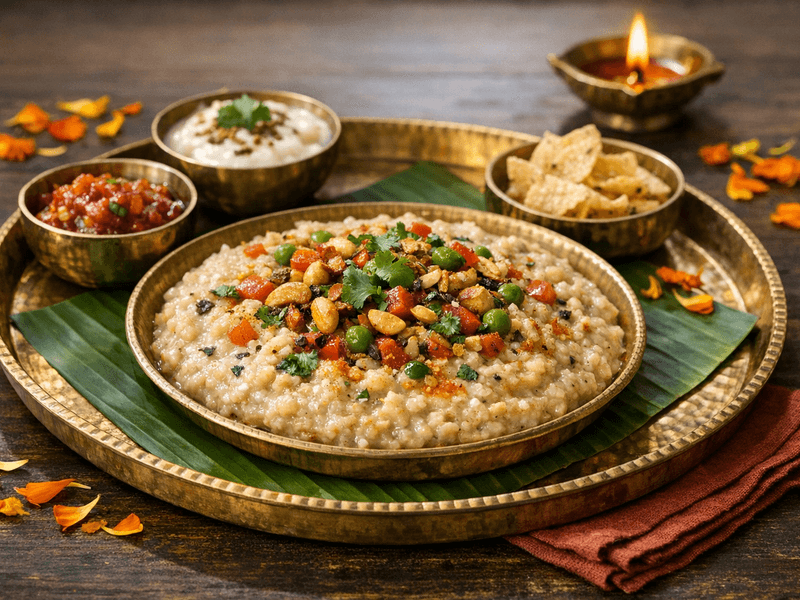
Protein Oats Porridge is a nourishing Indian lunch recipe that blends the goodness of rolled oats ('jaee') with high-protein sources like milk and nuts, creating a wholesome meal perfect for health-conscious individuals. This dish is deeply rooted in modern Indian kitchens, especially in urban centers, where busy lifestyles demand quick yet nutritious meals. Its creamy texture, subtle sweetness, and warming spices make it both comforting and satisfying, ideal for those who seek balanced nutrition without compromising on flavor. Oats porridge has gained popularity across India for its versatility and ease of preparation. Traditionally, porridge ('daliya' or 'jaee ki kheer') was made during festivals like Makar Sankranti and Holi, celebrating the harvest season and symbolizing prosperity. Today, Protein Oats Porridge is favored for lunch or breakfast, especially among fitness enthusiasts and families wanting a healthy twist. The addition of ingredients such as almonds ('badam'), flax seeds ('alsi'), and cardamom ('elaichi') not only enhances taste but also brings regional touches from North and South India. This dish is a perfect example of how Indian cuisine adapts global ingredients to suit local palates and health needs.
Ingredients(for 1 medium bowl (approx. 250g per serving))
- 1 cup Rolled oats (jaee) (Use whole rolled oats for maximum nutrition)
- 2 cups Low-fat milk (Doodh; can use plant-based milk for vegan)
- 8-10 Almonds (badam) (Chopped)
- 1 tbsp Flax seeds (alsi) (Roasted and crushed)
- 1 tsp Chia seeds (Optional but boosts protein) - optional
- 1-2 tbsp Jaggery (gur) (Powdered, adjust to taste)
- 1 tbsp Raisins (kishmish) (Adds natural sweetness) - optional
- 1/4 tsp Cardamom powder (elaichi) (For aroma and flavor)
- a pinch Salt (Enhances flavor)
- 1 cup Water (To cook oats)
Instructions
- 1
Dry roast the rolled oats (jaee) in a kadhai on medium heat for 3-4 minutes until lightly golden and aromatic.
4 minutes
Roasting oats enhances their flavor and prevents them from becoming mushy.
- 2
Add water to the roasted oats and simmer for 5 minutes, stirring occasionally until the oats absorb most of the water.
5 minutes
Use a thick-bottomed vessel to avoid sticking.
- 3
Pour in the low-fat milk (doodh) and continue to cook on low flame, stirring constantly for another 7-8 minutes until porridge thickens.
8 minutes
Keep stirring to prevent lumps and ensure creamy texture.
- 4
Add chopped almonds (badam), flax seeds (alsi), chia seeds, and raisins (kishmish). Mix well and cook for 2 minutes.
2 minutes
Add nuts and seeds towards the end to retain their crunch and nutrients.
Why This Dish is Healthy
This dish is a healthy choice because it combines high-protein ingredients with fiber-rich oats and healthy fats from seeds and nuts. The absence of refined sugar and the use of jaggery make it suitable for weight management and diabetes-friendly diets. It supports heart health, digestive wellness, and keeps you fuller for longer. Ideal for those seeking balanced nutrition and sustainable energy levels.
Protein Oats Porridge is rich in complex carbohydrates from oats, offering sustained energy. The addition of milk and nuts increases protein content, essential for muscle repair and satiety. Flax seeds and chia seeds add omega-3 fatty acids, fiber, and antioxidants. Jaggery supplies iron and minerals, while cardamom aids digestion. The recipe is low in saturated fat and free from refined sugars, making it a nutrient-dense option for lunch or breakfast.
Pro Tips
- 💡Tip 1: Roast oats before cooking to enhance flavor and texture.
- 💡Tip 2: Add jaggery after turning off the heat to avoid milk curdling.
- 💡Tip 3: Customize with seasonal fruits or spices for regional flavor twists.
Storage & Serving
Store leftover porridge in an airtight container in the refrigerator for up to 2 days. Reheat with a splash of milk or water before serving.
Best served: Breakfast or Lunch
Nutrition Facts
| Nutrient | Per 100g |
|---|---|
| Energy | 320.0 kcal |