Plain Roasted Papad
Lunch • India
How to Make Plain Roasted Papad (Traditional & Healthy Version)
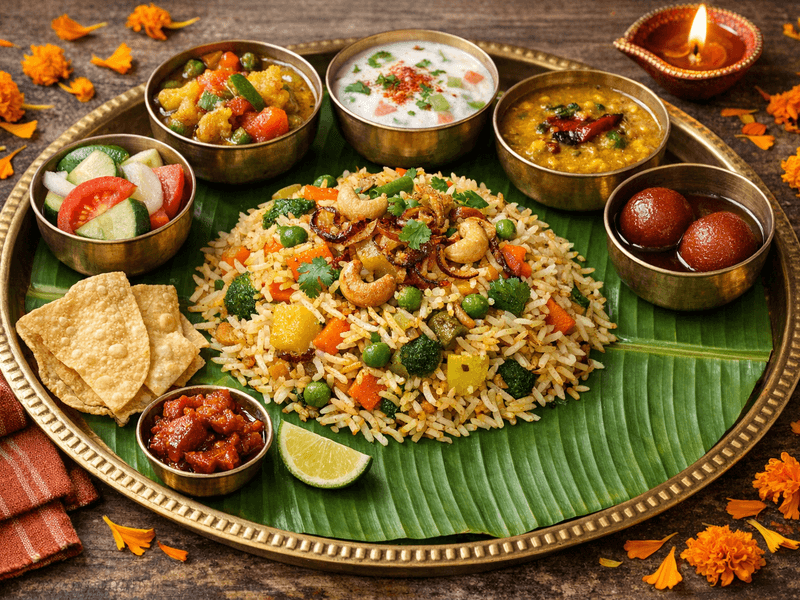
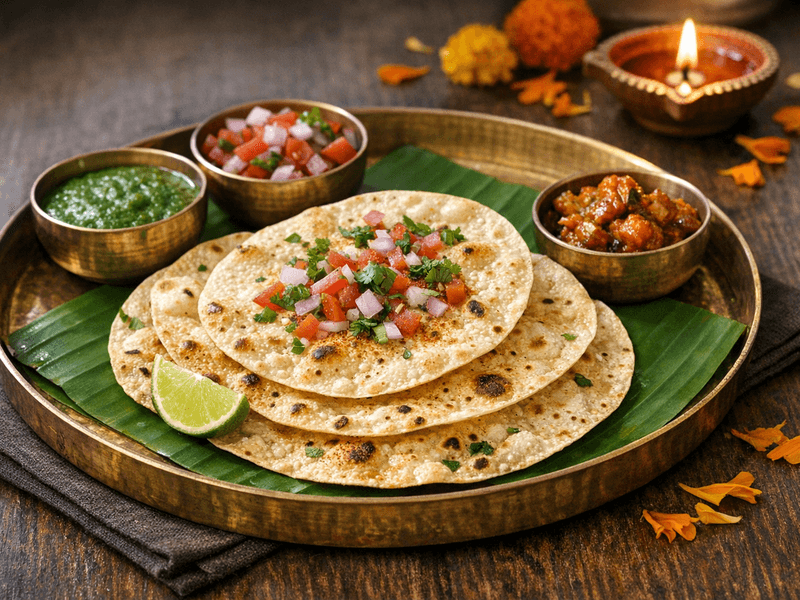
Plain Roasted Papad, also known as papadum or papad, is a beloved Indian accompaniment served alongside meals for centuries. This thin, crispy wafer is made using lentil or urad dal (urad ki dal) flour, seasoned lightly with black pepper, jeera (cumin seeds), and hing (asafoetida). Roasting papad over an open flame or on a tawa instead of deep-frying makes it a healthy, oil-free snack option, perfect for calorie-conscious eaters. In Indian households, papad is not just a meal enhancer but a symbol of hospitality and tradition. From North to South, every region has its own style and flavors, but the basic roasted version remains universally loved. Papad is often served during festivals such as Diwali, Holi, and weddings, adding crunch and excitement to the thali (traditional Indian platter). Its light, crisp texture and subtle spice profile make it a versatile choice for lunch, whether as a palate cleanser or an appetizer. Enjoying plain roasted papad is part of daily meals in many Indian homes, making it a nostalgic and essential component of Indian cuisine.
Ingredients(for 1 medium papad (approx. 10-12g) per person)
- 1 cup Urad dal flour (urad ki dal atta)
- 1/2 tsp Black pepper (kali mirch, freshly ground)
- 1/2 tsp Cumin seeds (jeera)
- 1/2 tsp Salt (namak, to taste)
- 1/4 tsp Baking soda (soda, for crispiness) - optional
- a pinch Hing (asafoetida) (hing, for digestion)
- as needed Water (for kneading dough)
- 1 tsp Oil (for greasing hands; optional) - optional
- 2 tbsp Rice flour (chawal ka atta, for dusting) - optional
Instructions
- 1
In a mixing bowl, combine urad dal flour, black pepper, cumin seeds, salt, hing, and baking soda (if using). Mix well to distribute spices evenly.
3 minutes
Sifting the flour helps avoid lumps and ensures even mixing.
- 2
Gradually add water, a little at a time, and knead into a semi-stiff, smooth dough. The dough should not be sticky.
5 minutes
Use a few drops of oil to grease your palms for a smooth dough.
- 3
Divide dough into small lemon-sized balls. Dust a ball lightly with rice flour and roll out into thin discs using a rolling pin (belan). Aim for paper-thin rounds.
5 minutes
Keep the discs as thin as possible for maximum crispiness.
- 4
Spread the rolled papad discs on a clean cloth or plate. Sun-dry for 30-60 minutes or until the surface is less sticky. (Optional for homemade papad)
30 minutes
Sun-drying helps prevent the papad from puffing unevenly during roasting.
Why This Dish is Healthy
Roasted papad is a healthy alternative to fried snacks, offering crunch with minimal calories or fat. Its lentil base makes it naturally gluten-free (if rice flour is used for dusting) and high in protein. The absence of oil during roasting retains the nutritional value while keeping the dish light and easy to digest. This makes plain roasted papad a great choice for weight watchers, diabetics, and those seeking heart-healthy snacks.
Plain Roasted Papad is a low-calorie, low-fat accompaniment, especially when roasted without oil. Made primarily from urad dal flour, it provides a good source of plant-based protein and dietary fiber. Urad dal is rich in iron, calcium, and magnesium, supporting bone health and energy levels. The inclusion of spices like cumin and hing aids digestion and adds antioxidants. Roasting instead of frying keeps saturated fat content minimal, making this an ideal snack for calorie-conscious individuals.
Pro Tips
- 💡Tip 1: Always roast papad just before serving for maximum crunch.
- 💡Tip 2: Use tongs to avoid burns and ensure even roasting on all sides.
- 💡Tip 3: For extra crispiness, let the papad cool for a minute before storing in a container.
Storage & Serving
Store roasted papad in an airtight container to maintain crispness. Keep in a cool, dry place for up to one week. Avoid moisture to prevent sogginess.
Best served: Lunch
Nutrition Facts
| Nutrient | Per 100g |
|---|---|
| Energy | 38.0 kcal |