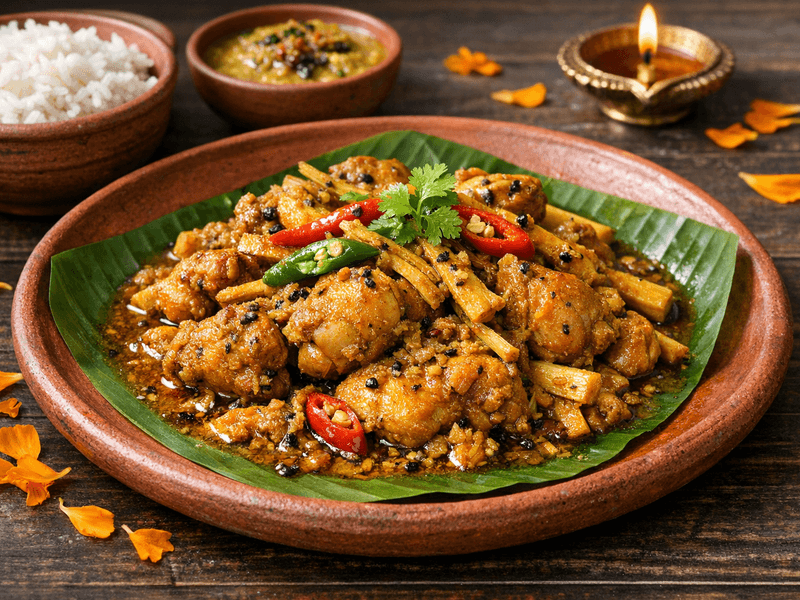
📸 Image coming soon for Plain Porota
Plain Porota
Lunch • India
How to Make Plain Porota (Traditional & Healthy Version)
Plain Porota, also known as 'Paratha' in other regions, is a beloved flatbread originating from East India, especially Bengal and Assam. Made with simple ingredients like atta (whole wheat flour), water, and oil, Porota is a staple for lunch and breakfast across Bengali households. Its flaky, layered texture and mild flavor make it a perfect accompaniment to dal, sabzi, or even just yogurt. The art of making Porota lies in the rolling and folding technique, which creates the characteristic layers. Traditionally cooked on a tawa (flat griddle), Porota is enjoyed hot, often with a dollop of homemade ghee or butter. This dish is deeply rooted in Indian culture, frequently prepared during festivals like Durga Puja and family gatherings, symbolizing warmth and togetherness. Its versatility allows for various fillings, but the plain version remains a classic, celebrated for its simplicity and authentic taste. Whether served with vegetable curries or just achar (pickle), Porota is a comfort food that brings back nostalgic memories of home-cooked meals. Its wholesome ingredients make it a healthier alternative to refined flour breads, and it's a great choice for those looking to balance taste and nutrition in their daily Indian diet.
Ingredients(for 2 medium porotas per serving)
- 2 cups Atta (whole wheat flour) (use fresh, finely ground atta)
- 3/4 cup Water (lukewarm for better dough texture)
- 1/2 tsp Salt (namak)
- 2 tbsp Oil (mustard or refined oil)
- 1 tsp Ghee (for brushing (optional)) - optional
- as needed Flour (for dusting) (atta)
- 1/2 tsp Ajwain seeds (optional, for flavor) - optional
- 1 tsp Butter (optional, for serving) - optional
- 2 tbsp Yogurt (optional, for softer dough) - optional
Instructions
- 1
In a mixing bowl, combine atta, salt, and ajwain seeds (if using). Gradually add lukewarm water and knead into a soft, smooth dough.
5 minutes
Knead thoroughly for a soft, pliable dough; resting improves porota texture.
- 2
Cover the dough and let it rest for 10 minutes. This helps gluten develop, making the porota more elastic.
10 minutes
Resting the dough prevents cracks while rolling.
- 3
Divide the dough into equal balls. Roll each ball slightly, apply a few drops of oil, then fold and roll to create layers.
3 minutes
Use oil between folds for classic flaky layers.
- 4
Dust the rolling surface with atta. Roll each dough ball into a medium-sized circle or square, about 6 inches wide.
3 minutes
Keep the thickness even to ensure uniform cooking.
Why This Dish is Healthy
Choosing whole wheat atta over refined flour boosts fiber intake and aids digestion. Minimal use of oil and optional ghee keeps calorie count in check, making this recipe ideal for weight management. Porota is vegetarian and can be adapted for vegan diets, offering balanced macros for a healthy Indian meal.
Plain Porota is made from whole wheat atta, which is rich in dietary fiber, complex carbohydrates, and essential minerals like magnesium and iron. It offers moderate protein and is low in saturated fat when cooked with minimal oil. The use of ajwain seeds, if added, aids digestion. Whole wheat provides sustained energy and supports heart health, making Porota a nutritious choice for Indian lunch.
Pro Tips
- 💡Tip 1: Rest the dough for at least 10 minutes to ensure soft porotas.
- 💡Tip 2: Use lukewarm water for kneading to enhance dough elasticity.
- 💡Tip 3: Apply oil between folds for authentic flaky layers.
Storage & Serving
Porota can be stored in an airtight container for up to 24 hours. Reheat on tawa for best results. Avoid refrigerating for longer periods as it may turn chewy.
Best served: Breakfast or Lunch
Nutrition Facts
| Nutrient | Per 100g |
|---|---|
| Energy | 180.0 kcal |