Plain Pasta
Lunch • India
How to Make Plain Pasta (Traditional & Healthy Version)
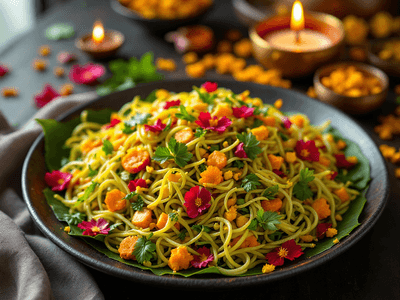
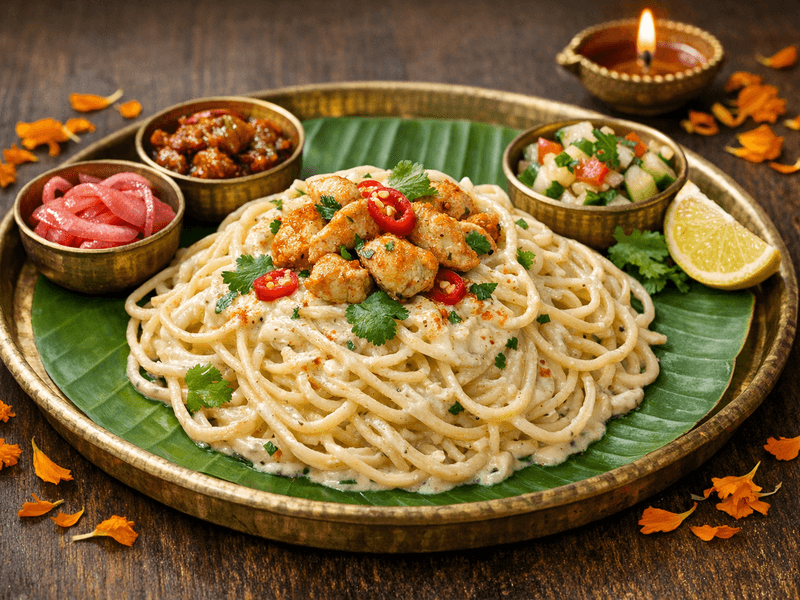
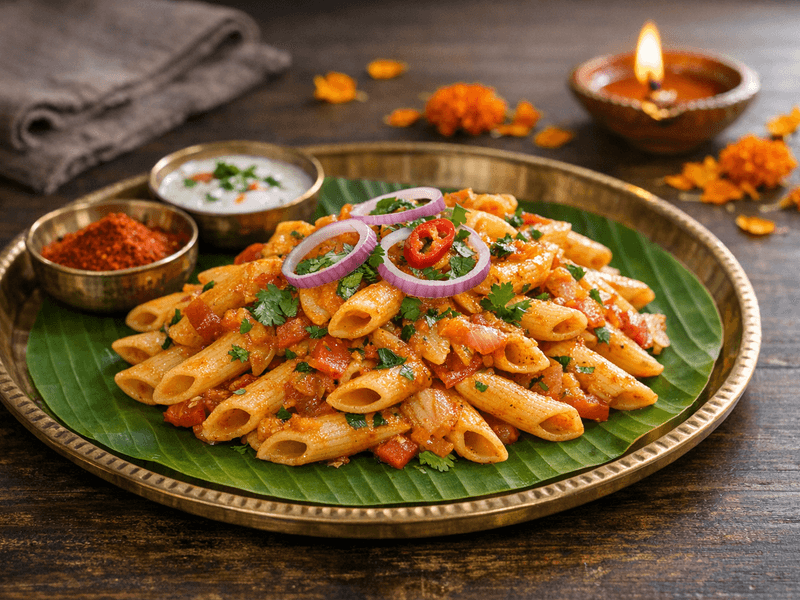
Plain Pasta, or 'Sada Pasta', has become a popular lunch option in urban India, blending global influences with local tastes. While pasta itself is not native to India, its adaptation using Indian ingredients and cooking methods makes it a unique fusion dish. With the rise of health-conscious eating, Indian households often choose to prepare pasta with whole wheat ('atta') for extra nutrition and fiber. The dish is simple yet satisfying, offering a mild flavor profile that appeals to both children and adults. Its versatility allows it to be customized with Indian spices, seasonal vegetables, or served plain as a light meal. In India, plain pasta is often enjoyed during lunch, especially in metropolitan cities where quick, nutritious meals are essential. It is a preferred option for those looking to balance taste and health, making it an ideal addition to school tiffins and office lunch boxes. The simplicity of this recipe ensures it is accessible to home cooks of all skill levels. During festivals like Holi or Diwali, plain pasta can serve as a neutral base for more elaborate sauces or toppings, making it a crowd-pleaser for gatherings.
Ingredients(for 1 medium bowl (approx. 120g cooked pasta))
- 1 cup Whole wheat pasta (atta pasta preferred)
- 4 cups Water (for boiling)
- 1/2 tsp Salt (namak)
- 1 tsp Olive oil (or mustard oil (sarson ka tel))
- 1/4 tsp Black pepper powder (kali mirch) - optional
- 1/2 cup Mixed vegetables (carrot (gajar), capsicum (shimla mirch), peas (matar)) - optional
- 1 tbsp Chopped coriander (dhaniya) - optional
- 2 tbsp Grated paneer (optional for protein) - optional
- 1 tsp Lemon juice (nimboo ras) - optional
Instructions
- 1
Heat water in a large saucepan (patila) and add salt. Bring it to a rolling boil.
5 minutes
Use plenty of water to prevent pasta from sticking.
- 2
Add whole wheat pasta to the boiling water. Stir gently and cook until al dente (firm to bite).
10 minutes
Do not overcook; pasta should retain a slight bite.
- 3
Drain the cooked pasta in a colander and rinse with cold water to stop the cooking process.
2 minutes
Rinsing removes excess starch and keeps pasta non-sticky.
- 4
In a kadhai, heat olive oil or mustard oil. Add mixed vegetables and sauté until just tender.
5 minutes
Keep vegetables slightly crunchy for better texture and nutrients.
Why This Dish is Healthy
This recipe is a healthy choice because it uses whole wheat ('atta') pasta instead of refined flour, reducing glycemic load and increasing fiber. Minimal oil and salt are used, and the addition of vegetables and paneer enhances nutritional value. It is easy to digest, low in saturated fat, and suitable for lunch or light dinner. The versatility of plain pasta makes it ideal for calorie-conscious individuals, supporting weight management and overall wellness.
Whole wheat pasta provides complex carbohydrates and dietary fiber, supporting sustained energy levels and healthy digestion. Adding seasonal vegetables increases vitamin A, C, and minerals like potassium. Paneer (if added) boosts protein content, aiding in muscle repair. Olive oil offers healthy monounsaturated fats, which are beneficial for heart health. Lemon juice and coriander add antioxidants, making this dish a balanced meal for vegetarians.
Pro Tips
- 💡Tip 1: Always use whole wheat pasta (atta pasta) for better nutrition and authentic Indian flavor.
- 💡Tip 2: Do not overcook vegetables; keep them crunchy for maximum vitamins.
- 💡Tip 3: Rinse cooked pasta with cold water to prevent sticking and retain texture.
Storage & Serving
Store leftover pasta in an airtight container in the refrigerator for up to 2 days. Reheat in a kadhai with a splash of water or oil to restore moisture. Avoid freezing as texture may change.
Best served: Breakfast or Lunch
Nutrition Facts
| Nutrient | Per 100g |
|---|---|
| Energy | 220.0 kcal |