Plain Boiled Pasta
Lunch • India
How to Make Plain Boiled Pasta (Traditional & Healthy Version)
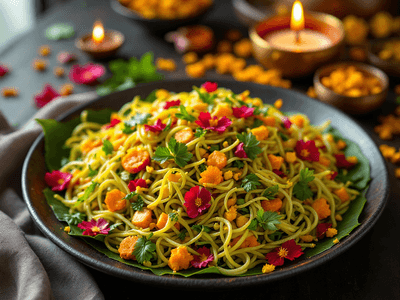
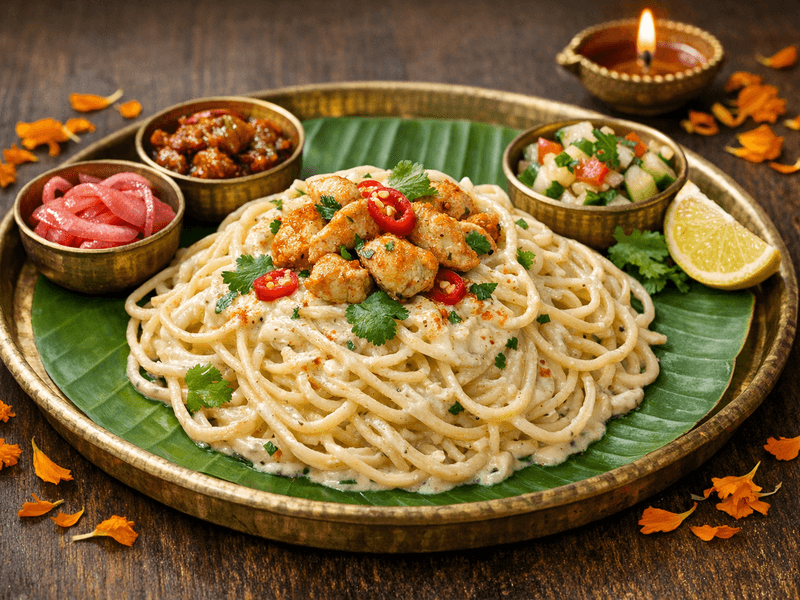
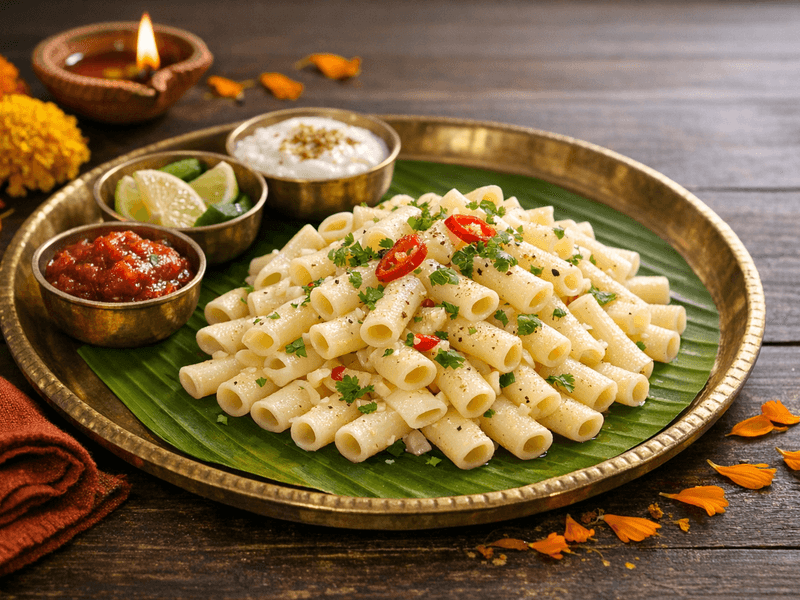
Plain boiled pasta, though globally popular, has found a unique place in Indian kitchens, especially as a quick and wholesome lunch meal. In India, pasta is often adapted using local ingredients and is a staple for busy weekdays, children's tiffin boxes, and even festive gatherings where lighter fare is preferred. The dish is appreciated for its simplicity and versatility, making it suitable for all age groups and dietary preferences. The appeal of plain boiled pasta lies in its neutral taste, which pairs beautifully with Indian masalas or a simple drizzle of olive oil and freshly chopped dhania (coriander leaves). Indian households enjoy boiled pasta as a base for various regional flavors, from spicy masala pasta in the North to coconut-infused versions in the South. The method of boiling pasta is straightforward, but adding a pinch of salt and a splash of oil ensures the strands remain non-sticky and soft. This healthy pasta version is ideal for calorie-conscious eaters, as it allows control over the ingredients and portion sizes. Often served during light lunches, it becomes a canvas for nutritious vegetables or protein-rich dals, especially during festivals like Navratri, when people seek simple vegetarian meals.
Ingredients(for 1 cup boiled pasta per person)
- 2 cups Pasta (whole wheat or suji) (atta pasta preferred for health)
- 6 cups Water (for boiling)
- 1/2 tsp Salt (namak)
- 1 tsp Olive oil or mustard oil (for non-stickiness)
- 2 tbsp Dhaniya (coriander leaves) (finely chopped) - optional
- 1/4 tsp Black pepper powder (kali mirch) - optional
- 1 tsp Lemon juice (nimbu ras) - optional
- 1/2 cup Mixed vegetables (carrot, capsicum, peas) (optional for added nutrition) - optional
- 1/4 tsp Jeera (cumin seeds) (optional for tempering) - optional
- 1/4 tsp Chilli flakes (optional for spice) - optional
Instructions
- 1
Bring 6 cups of water to a boil in a large patila (pot) on medium flame. Add 1/2 tsp salt and 1 tsp oil to the water.
5 minutes
Adding oil prevents pasta from sticking together.
- 2
Add pasta to the boiling water. Stir gently so the pasta doesn’t clump.
2 minutes
Use whole wheat (atta) pasta for better nutrition.
- 3
Boil pasta for 10-12 minutes until it becomes soft yet slightly firm (al dente). Stir occasionally.
12 minutes
Check pasta after 10 minutes to avoid overcooking.
- 4
Drain the pasta using a channi (colander) and rinse with cold water to stop cooking and remove excess starch.
3 minutes
Rinsing keeps the pasta non-sticky and fresh.
Why This Dish is Healthy
This recipe focuses on minimal oil, whole grains, and optional vegetables, making it ideal for weight loss and balanced nutrition. By using atta pasta and skipping heavy sauces, the dish becomes lighter, easier to digest, and rich in fiber. Its simplicity ensures clean eating, and it can be adapted for various dietary needs, including vegan and diabetic-friendly diets. The absence of processed ingredients keeps the calorie count in check.
Plain boiled pasta made with atta (whole wheat) or suji (semolina) offers a balanced source of complex carbohydrates, dietary fiber, and some protein. The addition of vegetables increases vitamins A, C, potassium, and antioxidants. Olive oil or mustard oil used minimally provides healthy fats. The dish is naturally low in saturated fat and can be a good option for those tracking calories, especially if portion sizes are controlled. Whole wheat pasta also has a lower glycemic index than regular pasta, making it suitable for diabetics.
Pro Tips
- 💡Tip 1: Use atta pasta for better fiber and nutrition.
- 💡Tip 2: Rinse pasta after boiling to prevent stickiness.
- 💡Tip 3: Add vegetables or protein for a balanced meal.
Storage & Serving
Store boiled pasta in an airtight container in the refrigerator for up to 24 hours. To reheat, sprinkle a little water and microwave or steam gently. Avoid storing with sauces to keep pasta fresh.
Best served: Breakfast or Lunch
Nutrition Facts
| Nutrient | Per 100g |
|---|---|
| Energy | 220.0 kcal |