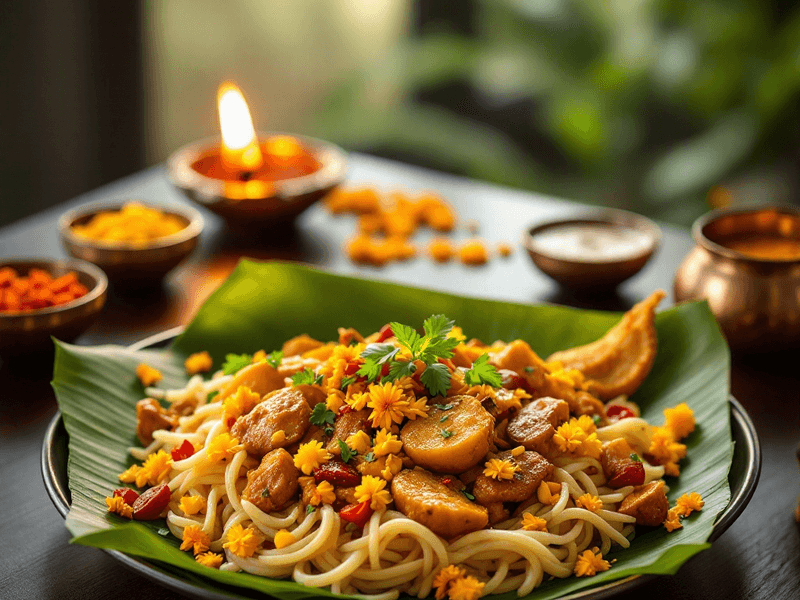
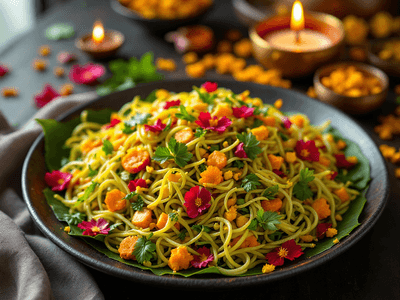
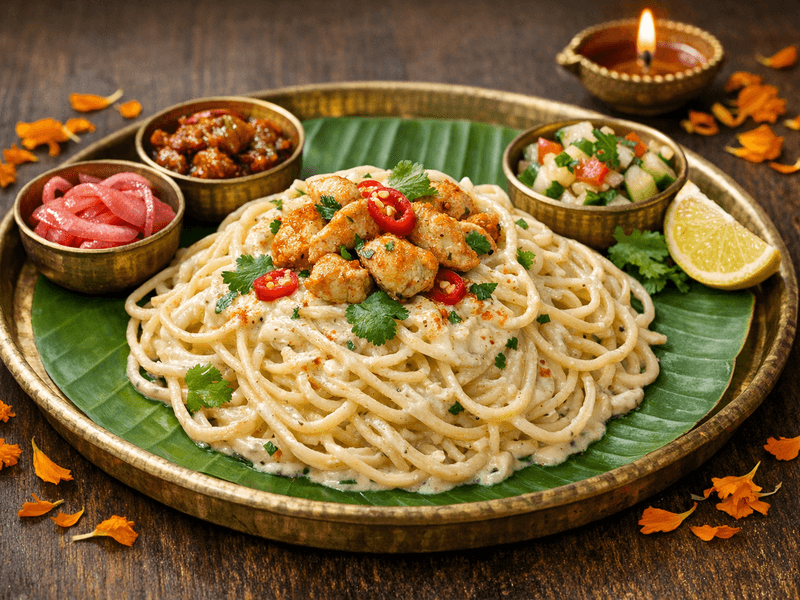
📸 Image coming soon for Penang Assam Laksa
Penang Assam Laksa
Lunch • India
How to Make Penang Assam Laksa (Traditional & Healthy Version)
Penang Assam Laksa is a beloved tangy noodle soup, renowned for its rich, aromatic broth and vibrant medley of fresh vegetables. While the dish traces its origins to Malaysia, it has found a loyal following among Indian food lovers, especially in regions with a strong South Indian and coastal influence. The vegetarian adaptation of Penang Assam Laksa celebrates the tropical flavors of tamarind (imli), fresh herbs like dhania (coriander), and an assortment of regional vegetables, making it a refreshing and satisfying lunch. The broth, traditionally made with fish, is skillfully replaced here with mushrooms and soya chunks, which absorb the spicy and sour flavors beautifully. This healthy, plant-based version is perfect for Indian palates seeking something light but filling, with an invigorating balance of sweet, sour, and spicy. It’s an excellent addition to your lunch menu, especially during the summer months or monsoon, when lighter and tangy foods are preferred. The use of rice noodles (or sevai) adds a comforting texture, while the generous toppings of cucumber, onion, mint, and pineapple bring a delightful crunch and a burst of freshness. Assam Laksa is a wonderful way to explore global flavors, using Indian ingredients and techniques, while staying mindful of nutrition and caloric intake.
Ingredients(for 1 medium bowl)
- 100 grams Rice noodles (sevai) (Thin rice vermicelli)
- 3 tablespoons Tamarind pulp (imli)
- 1/2 cup Soya chunks (soaked and squeezed)
- 1/2 cup Button mushrooms (sliced)
- 1 medium Onion (thinly sliced)
- 1/2 small Cucumber (julienned)
- 1/4 cup Pineapple (finely chopped)
- 2 tablespoons Fresh mint leaves (pudina) (chopped)
- 2 tablespoons Fresh coriander (dhania) (chopped)
- 1 tablespoon Red chilli paste (adjust to taste)
- 1 teaspoon Ginger (grated)
- 1 stalk Lemongrass (bruised) - optional
- to taste Salt
- 1 teaspoon Jaggery (gur) (optional for sweetness) - optional
Instructions
- 1
Soak rice noodles (sevai) in hot water for 5-7 minutes until soft. Drain and set aside.
7 minutes
Do not over-soak, or noodles will become mushy.
- 2
In a deep kadhai, heat 3 cups of water. Add tamarind pulp, red chilli paste, grated ginger, and lemongrass. Bring to a boil.
5 minutes
Lemongrass adds aroma; can be skipped if unavailable.
- 3
Add sliced mushrooms and soaked soya chunks to the boiling broth. Simmer for 7-8 minutes until mushrooms are tender.
8 minutes
Mushrooms give a meaty texture, mimicking traditional fish.
- 4
Season with salt and a touch of jaggery (if using). Discard the lemongrass stalk.
2 minutes
Balance sourness with jaggery for a rounded flavor.
Why This Dish is Healthy
Penang Assam Laksa is a balanced meal with moderate calories, high fiber content, and a variety of nutrients from its fresh, natural ingredients. By replacing fish with soya and mushrooms, it provides a protein boost without excess fat. Its broth-based preparation means less oil, and the use of whole, unprocessed foods supports overall wellness. Ideal for weight management, diabetes-friendly diets, and anyone seeking a wholesome, energizing lunch.
This vegetarian Penang Assam Laksa is rich in plant-based protein from soya chunks and mushrooms, while rice noodles offer easily digestible carbohydrates. The dish is low in saturated fat and cholesterol, making it heart-healthy. Fresh vegetables like cucumber, pineapple, and herbs provide essential vitamins such as vitamin C, vitamin A, and minerals like potassium. Tamarind is a natural source of antioxidants and aids digestion. The absence of dairy and minimal oil keeps the dish light and suitable for calorie-conscious eaters.
Pro Tips
- 💡Tip 1: Always soak and squeeze soya chunks thoroughly to avoid a spongy texture.
- 💡Tip 2: Add a dash of lime juice before serving for extra tanginess.
- 💡Tip 3: Use homemade tamarind pulp for the freshest, most authentic flavor.
Storage & Serving
Best consumed fresh. You can refrigerate the broth and toppings separately for up to 2 days. Reheat broth and assemble just before eating to maintain noodle texture.
Best served: Lunch
Nutrition Facts
| Nutrient | Per 100g |
|---|---|
| Energy | 370.0 kcal |
| Protein | 3.0 g |
| Carbohydrates | 15.0 g |
| Total Fat | 2.0 g |
| Fiber | 1.0 g |