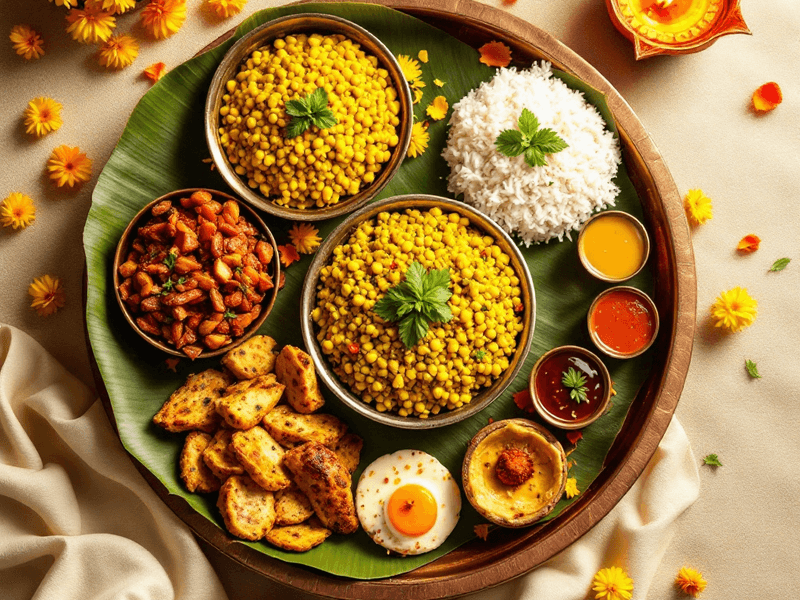
📸 Image coming soon for Parota
Parota
Lunch • India
How to Make Parota (Traditional & Healthy Version)
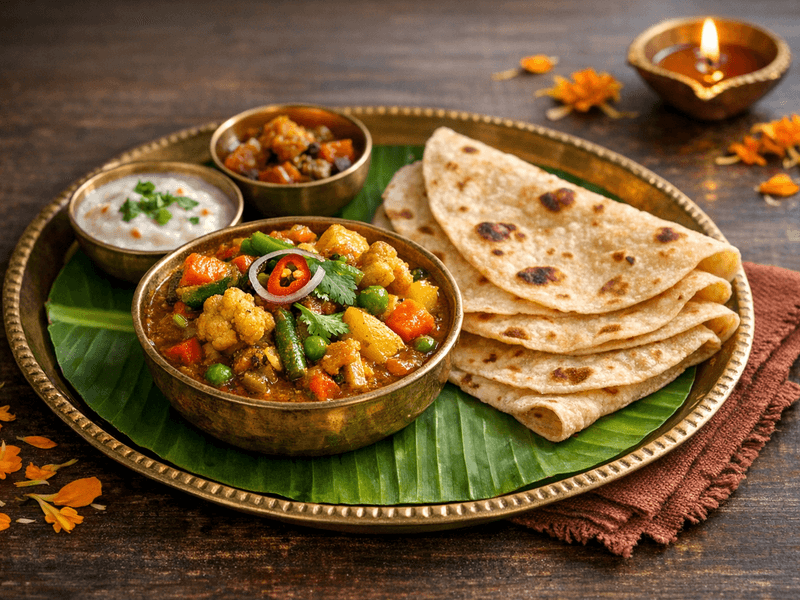
Parota, also known as 'parotta' in South India, is a beloved layered flatbread that traces its roots to the southern states like Tamil Nadu and Kerala. With its flaky, soft texture and golden-brown layers, Parota has become an iconic lunch dish across India, especially in dhabas and homes alike. Unlike the more common 'roti' made with whole wheat flour (atta), traditional Parota uses refined flour (maida), but this healthier recipe adapts it for the calorie-conscious by using a blend of atta and minimal oil. The taste of Parota is rich yet comforting, with a subtle chew and a delightful crispness on the outside. It is often enjoyed with spicy vegetable kurma, dal, or yogurt, making it a staple during festivals like Onam and family celebrations. Parota’s unique preparation – where the dough is rolled, stretched, and coiled to create distinct layers – is a culinary art passed down through generations. This healthy version retains the authentic flavor and texture while being suitable for regular consumption. Whether you are looking for a special festival treat or a wholesome lunch, Parota brings a taste of India’s culinary heritage to your table.
Ingredients(for 2 medium Parotas per serving)
- 1.5 cups Whole wheat flour (atta)
- 0.5 cup All-purpose flour (maida) - optional
- 0.5 tsp Salt (namak)
- 0.5 tsp Sugar (chini) - optional
- 1.5 tbsp Oil (use cold-pressed or sunflower oil)
- as needed Water (lukewarm)
- 2 tbsp Low-fat milk (doodh, optional for softness) - optional
- 1 tsp Ghee (for brushing, optional) - optional
Instructions
- 1
In a large bowl, mix atta, optional maida, salt, and sugar. Gradually add lukewarm water and knead into a soft, elastic dough. Add 1 tbsp oil and continue kneading for 5-7 minutes until smooth.
7 minutes
A well-kneaded dough ensures soft, flaky Parotas.
- 2
Cover the dough with a damp cloth and let it rest for 20 minutes. This allows the gluten to relax, making rolling easier and enhancing layering.
20 minutes
Resting the dough is crucial for authentic texture.
- 3
Divide the dough into equal lemon-sized balls. Lightly oil your working surface and roll each ball into a very thin disc using a rolling pin (belan).
3 minutes
The thinner you roll, the more layers your Parota will have.
- 4
Brush the surface of each disc with a few drops of oil. Pleat the disc like a paper fan, then coil it into a spiral (like a cinnamon roll). Flatten gently and roll again into a 6-inch disc.
5 minutes
This step gives Parota its signature flaky layers.
Why This Dish is Healthy
Choosing whole wheat flour over maida increases fiber and nutrient content, making Parota suitable for healthy diets and weight management. The recipe uses minimal oil and offers options for further lowering calorie content, supporting heart health and digestion. Pairing Parota with protein-rich sides like dal or yogurt enhances satiety, making it a wholesome lunch option that fits well in a calorie-conscious Indian diet.
This healthy Parota recipe uses a blend of whole wheat flour (atta) and limited oil, making it higher in dietary fiber and micronutrients compared to traditional versions. Whole wheat provides complex carbohydrates, B-vitamins, and iron, while reducing maida (refined flour) keeps the glycemic index lower. Minimal oil ensures less saturated fat, and optional low-fat milk adds protein and calcium. When served with a side of dal or mixed vegetables, this meal becomes a balanced source of protein, vitamins, and minerals essential for daily nutrition.
Pro Tips
- 💡Tip 1: Rest the dough for at least 20 minutes for best layering.
- 💡Tip 2: Use minimal oil for brushing to keep it healthy but still flaky.
- 💡Tip 3: Always roll the dough as thin as possible before pleating for authentic texture.
Storage & Serving
Store leftover Parotas in an airtight container in the refrigerator for up to 2 days. Reheat on a tawa or microwave before serving to restore softness.
Best served: Breakfast or Lunch
Nutrition Facts
| Nutrient | Per 100g |
|---|---|
| Energy | 250.0 kcal |