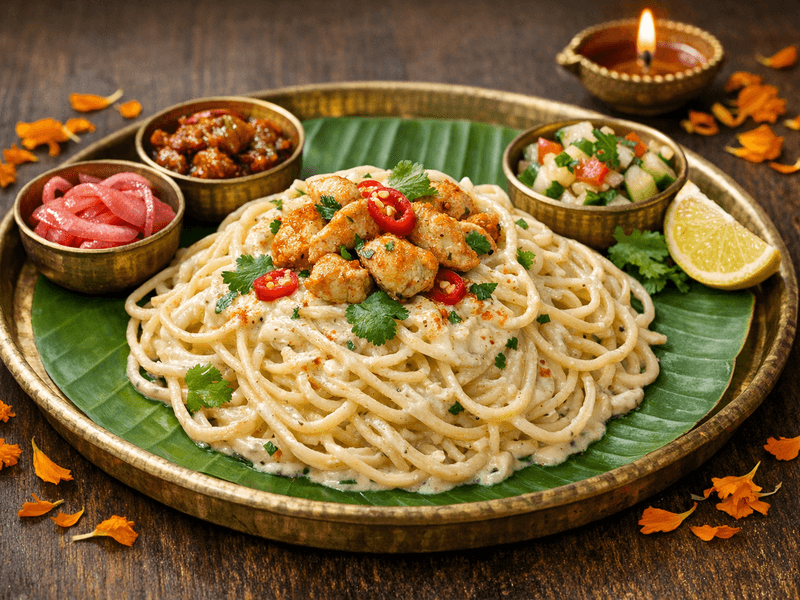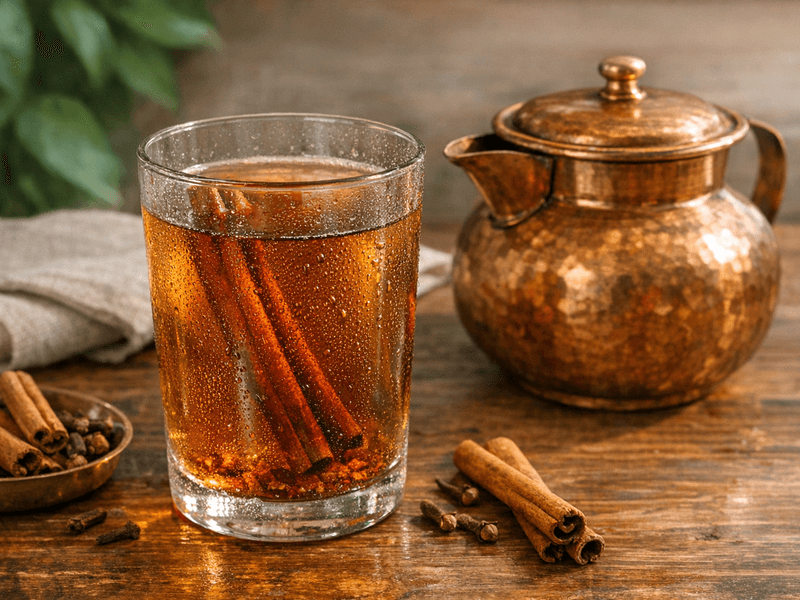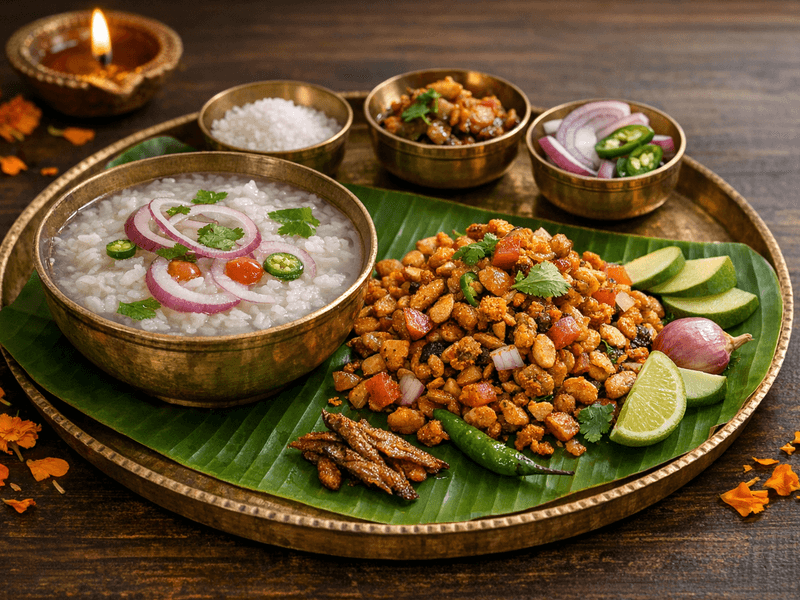
Panta Bhat with Chanachor
Lunch • India
How to Make Panta Bhat with Chanachor (Traditional & Healthy Version)
Panta Bhat with Chanachor is an iconic Bengali dish, deeply rooted in the rich culinary traditions of Eastern India. Traditionally prepared by soaking cooked rice overnight in water, Panta Bhat is celebrated for its cooling properties and probiotic benefits, making it a staple during hot summer months, especially on Pohela Boishakh (Bengali New Year). Paired with Chanachor, a crunchy and spicy snack made from roasted chana (gram), this combination delivers a delightful contrast of textures and flavors. The dish is popular not only in Bengal but also in Assam and Odisha, where it is enjoyed as a rustic lunch, often accompanied by raw onions, green chillies, and a dash of mustard oil (sarson ka tel). The taste is refreshingly tangy due to the slight fermentation of rice, complemented by the spicy, savory notes of Chanachor. It’s a perfect meal for those seeking authenticity and simplicity in Indian cuisine, offering a glimpse into the everyday food rituals of rural households. Its low-fat, high-fiber profile makes it a great choice for calorie-conscious eaters. Panta Bhat provides hydration and gut-friendly benefits, while Chanachor adds protein and crunch, making this meal both nourishing and satisfying. Whether served during festivals or as a cool respite on a scorching afternoon, this dish is synonymous with Indian comfort food.
Ingredients(for 1 bowl Panta Bhat (200g cooked rice) + 30g Chanachor per person)
- 2 cups Cooked rice (Use sona masoori or gobindobhog for authenticity)
- 2 cups Water (For soaking overnight)
- 1/2 cup Chanachor (Roasted spicy chana mix)
- 1 tablespoon Mustard oil (sarson ka tel) (For drizzling) - optional
- 1 small, finely sliced Onion (Pyaj)
- 2, chopped Green chillies (Hari mirch)
- To taste Salt (Sendha namak preferred)
- 1/2, sliced Lemon (Nimbu) - optional
- 2 tablespoons, chopped Fresh coriander leaves (Dhania patta) - optional
- 1/2, sliced Cucumber (Kheera) - optional
Instructions
- 1
Cook rice using your preferred method until soft and fluffy. Let it cool completely.
10 minutes
Use short-grain rice like gobindobhog for authentic flavor.
- 2
Transfer the cooled rice into a clay or glass bowl. Pour 2 cups of water over the rice until fully submerged.
2 minutes
Clay pots enhance the fermentation process and add earthy notes.
- 3
Cover the bowl and allow the rice to soak overnight (8-12 hours) at room temperature for mild fermentation.
8 hours
Ensure the bowl is covered to prevent contamination.
- 4
In the morning, gently stir the rice. Add salt to taste and mix well.
2 minutes
Adjust salt as per preference for a balanced taste.
Why This Dish is Healthy
This dish is a healthy choice due to its minimal processing and use of whole ingredients. The fermented rice aids digestion and boosts gut health, while the inclusion of protein-rich Chanachor and fresh vegetables makes it balanced and filling. It’s suitable for weight management, vegetarian diets, and those seeking gut-friendly foods. The absence of deep frying and refined ingredients keeps the calorie count low.
Panta Bhat is naturally low in fat and high in complex carbohydrates, providing sustained energy throughout the day. The slight fermentation enhances probiotic content, promoting healthy digestion and gut flora. Onions, green chillies, and coriander leaves add vitamins A, C, and antioxidants. Chanachor offers plant-based protein and fiber. Mustard oil gives omega-3 fatty acids. Overall, this meal supports hydration, metabolic health, and immunity.
Pro Tips
- 💡Tip 1: Use clay pots for soaking rice to enhance flavor and maintain authenticity.
- 💡Tip 2: Add mustard oil just before serving for a true Bengali taste.
- 💡Tip 3: Keep Chanachor separate until serving to preserve its crispiness.
Storage & Serving
Store soaked rice in the refrigerator if not consumed within 12 hours. Chanachor should be kept in an airtight container to retain crunch. Avoid storing with toppings to prevent sogginess.
Best served: Breakfast or Lunch
Nutrition Facts
| Nutrient | Per 100g |
|---|---|
| Energy | 250.0 kcal |