Paneer Noodle Soup
Lunch • India
How to Make Paneer Noodle Soup (Traditional & Healthy Version)
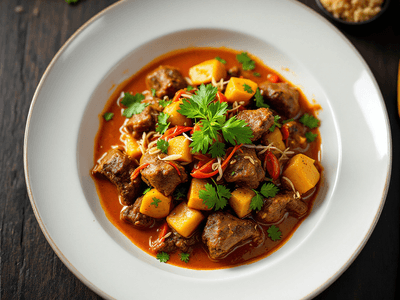
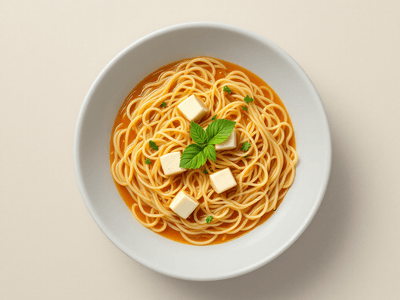
Paneer Noodle Soup is a delightful fusion dish that brings together the comforting warmth of Indian-style soup (shorba) with the satisfying texture of noodles, all complemented by protein-rich paneer. While noodles are a relatively newer addition to Indian kitchens, their combination with paneer and fresh vegetables has become increasingly popular in urban homes, especially during monsoons or chilly evenings. The mild spices, subtle ginger-garlic aroma, and the creamy melt-in-mouth paneer make this soup a nourishing yet light meal choice. This soup is especially favored during festivals like Navratri or as a wholesome lunch for families seeking a nutritious, vegetarian option. The addition of seasonal vegetables, like carrots (gajar), cabbage (patta gobhi), and capsicum (shimla mirch), not only enhances the color and taste but also provides a boost of vitamins. Paneer Noodle Soup is a wonderful example of how Indian cuisine adapts global ingredients, like noodles, and infuses them with traditional flavors, making it a beloved comfort food across regions. Perfect for lunch, this recipe is quick to prepare and loved by both adults and children alike.
Ingredients(for 1 large bowl per serving)
- 100 grams Paneer (homemade or fresh) (cut into small cubes)
- 50 grams Whole wheat noodles (atta noodles preferred)
- 1/2 cup Carrot (gajar) (julienned)
- 1/2 cup Cabbage (patta gobhi) (shredded)
- 1/4 cup Capsicum (shimla mirch) (thinly sliced)
- 1/4 cup Spring onion greens (chopped)
- 1 tsp Ginger (adrak) (finely grated)
- 1 tsp Garlic (lahsun) (minced)
- 1/2 tsp Black pepper powder (kali mirch)
- 1 tsp Low-sodium soy sauce
- to taste Salt
- 1 tsp Vegetable oil (preferably cold-pressed)
- 3 cups Water or vegetable broth
Instructions
- 1
Boil 3 cups of water or vegetable broth in a deep pan (patila). Add whole wheat noodles and cook until just al dente. Drain, rinse in cold water, and set aside.
7 minutes
Do not overcook noodles to avoid mushiness.
- 2
Heat oil in a heavy-bottomed kadhai or saucepan. Add grated ginger and minced garlic, sauté until fragrant.
2 minutes
Using cold-pressed oil enhances the aroma and health benefits.
- 3
Add carrots, cabbage, and capsicum. Stir-fry on high flame for 2-3 minutes until slightly tender but still crisp.
3 minutes
Quick stir-frying preserves nutrients and color of vegetables.
- 4
Pour in the remaining water or broth. Bring to a gentle boil.
2 minutes
Use homemade vegetable stock for deeper flavor and enhanced nutrition.
Why This Dish is Healthy
This recipe uses whole wheat atta noodles instead of refined flour, making it higher in fiber and better for blood sugar control. Paneer is a great source of vegetarian protein, keeping you full for longer and supporting muscle health. The inclusion of multiple vegetables increases the micronutrient content, while the use of minimal oil and no heavy cream ensures a light, digestion-friendly meal. It’s an excellent choice for those looking to maintain a healthy weight and support overall wellness.
Paneer Noodle Soup is rich in high-quality protein from paneer, complex carbohydrates from whole wheat noodles, and an array of essential vitamins and minerals from the colorful mix of vegetables. Paneer provides calcium and phosphorus for bone health, while the vegetables supply dietary fiber, vitamin A, vitamin C, and antioxidants. This soup is low in saturated fat and can be made even healthier by using minimal oil and low-sodium ingredients. The dish’s balanced macros make it suitable for a filling lunch without feeling heavy.
Pro Tips
- 💡Tip 1: Always use fresh homemade paneer for best flavor and texture.
- 💡Tip 2: For gluten-free, opt for millet-based or rice noodles.
- 💡Tip 3: Add a few drops of sesame oil before serving for a nutty aroma.
Storage & Serving
Store leftover soup in an airtight container in the refrigerator for up to 2 days. Reheat gently on the stovetop, adding a splash of water if needed to adjust consistency. Avoid freezing as paneer texture may change.
Best served: Breakfast or Lunch
Nutrition Facts
| Nutrient | Per 100g |
|---|---|
| Energy | 410.0 kcal |
| Protein | 5.0 g |
| Carbohydrates | 13.0 g |
| Total Fat | 4.0 g |
| Fiber | 1.0 g |