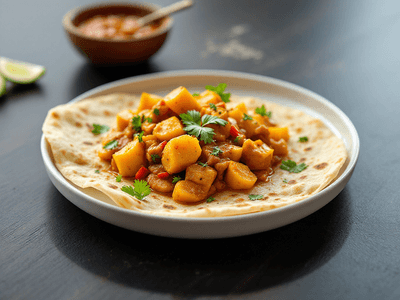
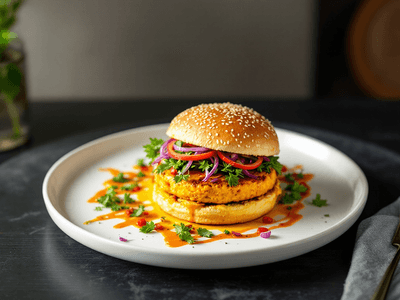
📸 Image coming soon for Palm Jaggery
Palm Jaggery
Lunch • India
How to Make Palm Jaggery Pongal (Traditional & Healthy Version)
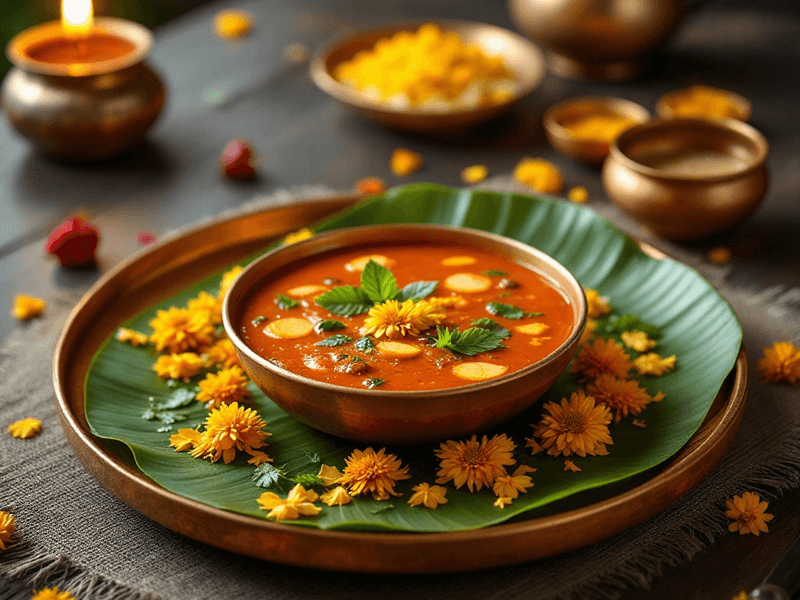
Palm Jaggery, locally known as karupatti or pana vellam, is a treasured natural sweetener in South Indian cuisine, celebrated for its deep, earthy flavor and nutritional richness. One of the most cherished dishes using palm jaggery is Palm Jaggery Pongal, a wholesome and aromatic lunch option often prepared during Tamil festivals like Pongal and Makar Sankranti. This dish combines rice and moong dal with the unique, caramel-like sweetness of palm jaggery, spiced with cardamom and pepper, and enriched with roasted dry fruits. The roots of Palm Jaggery Pongal trace back to Tamil Nadu, where it is a staple in both festive feasts and everyday meals, thanks to its nourishing qualities and fulfilling taste. Unlike refined sugar, palm jaggery is minimally processed, retaining essential minerals and a robust flavor profile. Its wholesome nature and traditional preparation make it a preferred choice for those seeking authentic, healthy Indian recipes. The delicate balance of sweet, nutty, and spicy notes makes this dish a delightful lunch that delivers both comfort and nutrition, ideal for families seeking health-conscious options steeped in Indian heritage.
Ingredients(for 1 medium bowl (approx. 200g))
- 1/2 cup Raw rice (Chawal)
- 1/4 cup Moong dal (Yellow split lentils)
- 1/3 cup Palm jaggery (Karupatti or pana vellam, grated or crushed)
- 2 cups Water
- 1/2 tsp Cardamom powder (Elaichi)
- 8-10 Cashew nuts (Kaju, broken) - optional
- 10 Raisins (Kishmish) - optional
- 1/4 tsp Black pepper (Kali mirch, crushed) - optional
- 1 tbsp Ghee (Desi ghee, use cold-pressed coconut oil for vegan version)
- a pinch Salt
Instructions
- 1
Dry roast the moong dal on low flame in a thick-bottomed pan or kadai until it turns aromatic and light golden.
5 minutes
Keep stirring to avoid burning and bring out the nutty flavor.
- 2
Add rice to the roasted dal, pour in water, and cook in a pressure cooker for 3 whistles or until both are soft and mushy.
10 minutes
Soak rice and dal for 10 minutes beforehand for quicker cooking.
- 3
Meanwhile, dissolve grated palm jaggery in 1/4 cup warm water, strain to remove impurities, and keep aside.
3 minutes
Always strain palm jaggery syrup to ensure purity.
- 4
Once rice and dal are cooked, mash gently and transfer to a thick-bottomed vessel. Pour in the jaggery syrup and mix well on low flame.
3 minutes
Stir constantly to avoid sticking at the bottom.
Why This Dish is Healthy
By using palm jaggery instead of refined sugar, this recipe offers a low-glycemic alternative that helps manage blood sugar levels. Moong dal adds protein and fiber, keeping you fuller for longer and aiding weight management. Ghee in moderation is a source of healthy fats and fat-soluble vitamins. The dish is naturally gluten-free and can be made vegan, making it suitable for various dietary needs. This health-conscious approach ensures you enjoy traditional flavors without compromising nutritional goals.
Palm Jaggery Pongal is a nutrient-rich dish. Palm jaggery contains iron, magnesium, potassium, and antioxidants, supporting hemoglobin levels and immunity. Moong dal and rice offer plant-based protein and complex carbohydrates, providing sustained energy. Cashew nuts add healthy fats and micronutrients, while raisins contribute natural sweetness and fiber. The use of spices like cardamom and black pepper aids digestion and metabolic health. With minimal processed ingredients and natural sweetener, this dish is a wholesome lunch choice for all age groups.
Pro Tips
- 💡Tip 1: Always strain palm jaggery syrup to remove natural impurities for smooth texture.
- 💡Tip 2: For a richer aroma, add a few saffron strands along with cardamom.
- 💡Tip 3: Use a thick-bottomed vessel to prevent the pongal from sticking and burning.
Storage & Serving
Store leftover Palm Jaggery Pongal in an airtight container in the refrigerator for up to 2 days. Reheat gently, adding a splash of water or milk to restore softness. Avoid freezing, as texture may change.
Best served: Breakfast or Lunch
Nutrition Facts
| Nutrient | Per 100g |
|---|---|
| Energy | 40.0 kcal |