Moong Dal Khichadi
Lunch • India
How to Make Moong Dal Khichadi (Traditional & Healthy Version)
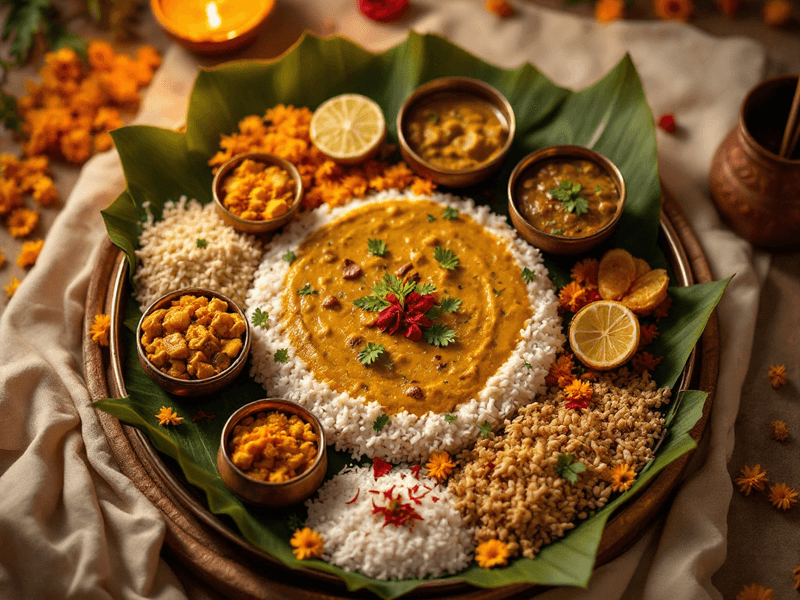
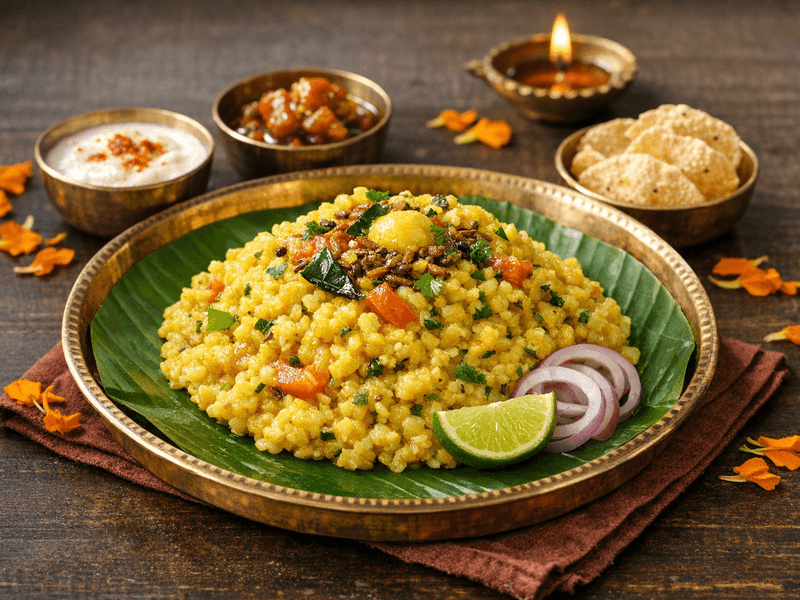
Moong Dal Khichadi is a classic North Indian comfort food, known for its simplicity, nourishing qualities, and gentle flavors. Revered in Indian households, this wholesome dish combines split yellow moong dal (mung beans) with rice, infused with subtle spices and cooked to a soft, porridge-like consistency. Khichadi is considered a sattvic (pure) meal in Ayurveda, often served during festivals, fasting days, or as a light, easily digestible lunch. It is a staple in many Indian homes, especially during the monsoon and winter seasons, and is often the first solid food introduced to babies due to its gentle nature. The taste is mildly spiced, aromatic, and comforting, making it suitable for all age groups. North Indian khichadi typically features a tempering (tadka) of cumin seeds, ginger, and green chilies, sometimes enriched with vegetables like carrots, peas, or beans. This dish is not only delicious but also quick and easy to prepare, making it a favorite for busy weekdays and lazy Sundays alike. Moong Dal Khichadi holds a special place in Indian culture as a symbol of nourishment, simplicity, and warmth, perfect for festivals like Makar Sankranti or as part of a satvik meal during Navratri.
Ingredients(for 1 medium bowl (approx. 250g cooked))
- 1/2 cup Split yellow moong dal (मूंग दाल)
- 1/2 cup Short grain rice (चावल (preferably sona masoori or gobindobhog))
- 3 cups Water
- 1/2 tsp Turmeric powder (हल्दी)
- to taste Salt (नमक)
- 1 tsp Cumin seeds (जीरा)
- 1 inch, grated Ginger (अदरक)
- 1, slit Green chili (हरी मिर्च) - optional
- 1 small, diced Carrot (गाजर) - optional
- 1/4 cup Green peas (मटर) - optional
- 1 tbsp Ghee (घी)
- a pinch Asafoetida (हींग) - optional
- 1/4 tsp Black pepper powder (काली मिर्च) - optional
Instructions
- 1
Wash the moong dal and rice thoroughly under running water until the water runs clear. Soak them together in water for 10 minutes to ensure even cooking.
10 minutes
Soaking helps in faster cooking and improves digestibility.
- 2
Heat ghee in a pressure cooker or thick-bottomed pan. Add cumin seeds and allow them to splutter. Add a pinch of hing (asafoetida), grated ginger, and slit green chili. Sauté for a minute.
2 minutes
For a vegan version, use cold-pressed oil instead of ghee.
- 3
Add the diced carrots and green peas (if using) and sauté for 2-3 minutes until lightly softened.
3 minutes
Add seasonal vegetables like beans or bottle gourd for extra nutrition.
- 4
Drain the soaked dal and rice. Add them to the cooker along with turmeric and salt. Mix well with the tempered spices and vegetables.
2 minutes
Stir gently to avoid breaking the rice grains.
Why This Dish is Healthy
This khichadi recipe is a healthy choice as it combines the goodness of lentils and rice, providing all essential amino acids for vegetarians. The use of turmeric and ginger offers anti-inflammatory benefits, while ghee aids in nutrient absorption. With low saturated fat and moderate calories per serving, it's ideal for weight management, diabetes-friendly diets, and post-illness recovery. The inclusion of seasonal vegetables increases its micronutrient profile, making it a complete, nourishing meal for any health-conscious eater.
Moong Dal Khichadi is packed with plant-based protein from moong dal and complex carbohydrates from rice, making it a balanced meal. It is low in fat, especially if prepared with minimal ghee, and rich in dietary fiber when vegetables are added. Moong dal is a good source of B vitamins, iron, potassium, and magnesium, supporting overall health and digestion. The dish is gluten-free (if using gluten-free asafoetida) and easy to digest, making it suitable for those with sensitive stomachs, children, or elderly family members.
Pro Tips
- 💡Tip 1: Dry roast moong dal before cooking for a nuttier flavor and easier digestion.
- 💡Tip 2: Adjust water quantity to make khichadi either thick or runny as per your preference.
- 💡Tip 3: Add fresh coriander or a squeeze of lemon juice before serving for a burst of freshness.
Storage & Serving
Store leftover khichadi in an airtight container in the refrigerator for up to 2 days. Reheat with a splash of water on the stovetop or microwave before serving to restore its creamy consistency.
Best served: Breakfast or Lunch
Nutrition Facts
| Nutrient | Per 100g |
|---|---|
| Energy | 220.0 kcal |