📸 Image coming soon for Mixed Vegetable Sabzi
Mixed Vegetable Sabzi
Lunch • India
How to Make Mixed Vegetable Sabzi (Traditional & Healthy Version)
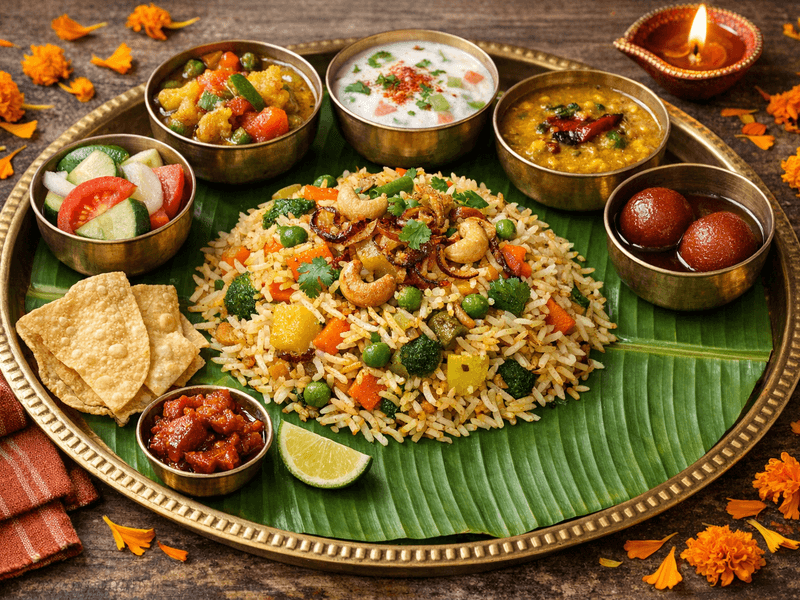
Mixed Vegetable Sabzi is a classic Indian dish, beloved across the country for its vibrant flavors and wholesome nutrition. Originating from the diverse kitchens of India, this sabzi is prepared by sautéing a medley of locally grown vegetables with aromatic spices, resulting in a flavorful, colorful, and nourishing meal. It’s a staple in Indian households, especially during lunch, as it pairs beautifully with chapati (atta roti), rice, or even as a filling for parathas. The sabzi’s versatility allows it to be adapted to regional tastes by varying the vegetable combinations and spice levels, making it a true representation of India’s culinary diversity. In North India, Mixed Vegetable Sabzi is often served during festivals like Diwali and Holi, reflecting the abundance and celebration of seasonal produce. Its mildly spiced gravy appeals to all age groups, making it a popular choice for family gatherings and festive thalis. The dish uses minimal oil and relies on natural flavors, making it ideal for health-conscious eaters. With a balance of protein, fiber, vitamins, and minerals, this sabzi is a great addition to any vegetarian meal plan. The ease of preparation and adaptability to local vegetables make it an economical and sustainable lunch option.
Ingredients(for 1 medium katori (bowl) per person)
- 1/2 cup Carrot (gajar, chopped)
- 1/2 cup Potato (aloo, diced)
- 1/2 cup Cauliflower (phool gobhi, florets)
- 1/2 cup Green beans (lobiya, chopped)
- 1/4 cup Green peas (matar, fresh or frozen)
- 1/2 cup Onion (pyaz, finely chopped)
- 1/2 cup Tomato (tamatar, chopped)
- 1 tsp Ginger (adrak, grated)
- 1/2 tsp Cumin seeds (jeera)
- 1/4 tsp Turmeric powder (haldi)
- 1 tsp Coriander powder (dhaniya powder)
- 1/4 tsp Red chili powder (lal mirch powder) - optional
- 1/4 tsp Garam masala (optional) - optional
- to taste Salt (namak)
- 1 tbsp Oil (preferably mustard oil or refined)
- 2 tbsp Fresh coriander leaves (hara dhaniya, chopped)
Instructions
- 1
Wash and chop all vegetables (gajar, aloo, phool gobhi, lobiya, matar, pyaz, tamatar) into uniform, bite-sized pieces.
5 minutes
Cut vegetables evenly for uniform cooking.
- 2
Heat oil in a kadhai or pan. Add jeera (cumin seeds) and let them splutter. Add grated adrak (ginger) and sauté for 1 minute.
2 minutes
Mustard oil adds authentic flavor; heat it till it smokes lightly.
- 3
Add chopped pyaz (onion) and sauté till golden brown. Then add tamatar (tomato) and cook until soft and pulpy.
4 minutes
Cook tomatoes well to avoid raw taste.
- 4
Add haldi (turmeric), dhaniya powder (coriander powder), lal mirch powder, and salt. Mix well and cook till oil separates.
2 minutes
Spices bloom best in oil for maximum aroma.
Why This Dish is Healthy
This sabzi is a healthy choice because it incorporates a wide array of seasonal vegetables, promoting nutritional diversity and gut health. Low in saturated fat and high in fiber, it supports weight management and stable blood sugar levels. The use of traditional spices boosts metabolism and aids digestion, making it suitable for lunch and overall wellness. Its plant-based nature makes it vegan adaptable and heart-friendly.
Mixed Vegetable Sabzi is rich in dietary fiber, vitamins A and C (from carrots, cauliflower, green beans), and minerals like potassium and iron. The use of minimal oil and a variety of vegetables keeps the calorie count low while delivering complex carbohydrates and plant-based protein. Onions and tomatoes provide antioxidants, while peas add protein and soluble fiber. Turmeric and coriander offer anti-inflammatory properties, making this sabzi ideal for a balanced diet.
Pro Tips
- 💡Tip 1: Use seasonal vegetables for best taste and nutrition.
- 💡Tip 2: Add a squeeze of lemon for extra freshness before serving.
- 💡Tip 3: Cook on low flame to preserve vitamins and prevent overcooking.
Storage & Serving
Store leftover sabzi in an airtight container in the refrigerator for up to 2 days. Reheat on a tawa or in a microwave, adding a splash of water to retain moisture.
Best served: Breakfast or Lunch
Nutrition Facts
| Nutrient | Per 100g |
|---|---|
| Energy | 120.0 kcal |