Mixed Vegetable Khichdi
Lunch • India
How to Make Mixed Vegetable Khichdi (Traditional & Healthy Version)
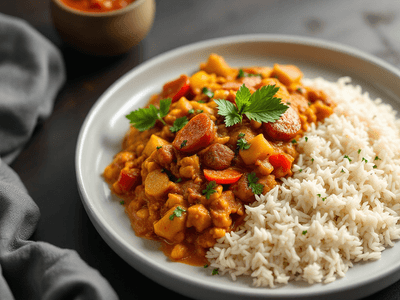
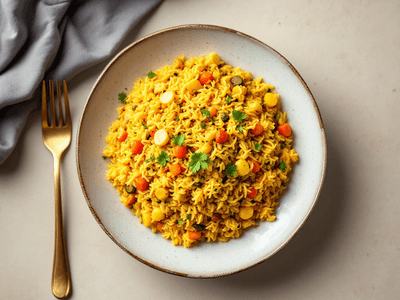
Mixed Vegetable Khichdi is a classic Indian comfort food, revered for its simplicity, nutrition, and versatility. Traditionally made with a wholesome combination of rice (chawal) and split yellow moong dal, khichdi is elevated with an array of seasonal vegetables, mild spices, and a tempering of desi ghee. This dish is celebrated across India, from the kitchens of Gujarat to Bengal, each region adding its unique touch. The taste is subtle yet aromatic, making it ideal for all age groups and digestive sensitivities. In Indian homes, Mixed Vegetable Khichdi is often prepared during festivals like Makar Sankranti and Navratri as a sattvik food, symbolizing purity and balance. It is known as a healing meal, often served to the sick or during fasting periods, thanks to its easy digestibility and nourishing ingredients. Khichdi is not just food—it’s an emotion, evoking memories of warmth, care, and family gatherings. Its one-pot nature makes it a favorite for busy weekdays, while its nutrient-rich profile has earned it a place in modern, health-conscious diets.
Ingredients(for 1 medium bowl (approx. 250g))
- 1/2 cup Rice (chawal) (short grain preferred)
- 1/2 cup Yellow moong dal (split & husked)
- 1/4 cup Carrot (finely chopped (gajar))
- 1/4 cup Green peas (fresh or frozen (matar))
- 1/4 cup French beans (chopped)
- 1 small Potato (diced (aloo))
- 1 small Tomato (chopped (tamatar))
- 1 tsp Ginger (grated (adrak))
- 1/2 tsp Cumin seeds (jeera)
- 1/4 tsp Turmeric powder (haldi)
- a pinch Asafoetida (hing) - optional
- 1 tbsp Desi ghee or oil (use oil for vegan option)
- to taste Salt (namak)
- 3 cups Water
- 1 tbsp Fresh coriander leaves (chopped (dhaniya)) - optional
Instructions
- 1
Rinse rice and yellow moong dal thoroughly with water until the water runs clear. Soak them together for 10 minutes.
10 minutes
Soaking reduces cooking time and enhances digestibility.
- 2
Heat desi ghee or oil in a pressure cooker (or thick-bottomed handi). Add cumin seeds and let them splutter. Add a pinch of hing and grated ginger. Sauté for 30 seconds.
2 minutes
Ghee adds a rich aroma; for vegan version, use cold-pressed oil.
- 3
Add chopped onions (if using), carrots, potatoes, beans, green peas, and tomatoes. Sauté the vegetables on medium flame for 2-3 minutes.
3 minutes
Cut vegetables uniformly for even cooking.
- 4
Add soaked rice and dal. Mix well with the sautéed vegetables. Stir in turmeric powder and salt.
2 minutes
Turmeric adds color and boosts immunity.
Why This Dish is Healthy
This dish is naturally balanced with the right proportion of carbs, protein, and dietary fiber, making it diabetic and weight-loss friendly when portioned right. Low in saturated fat and high in micronutrients, khichdi supports gut health, immunity, and overall energy levels. Using less ghee and more vegetables further boosts its health quotient without sacrificing flavor.
Mixed Vegetable Khichdi is loaded with plant-based protein from moong dal and complex carbohydrates from rice. The addition of assorted vegetables like carrots, peas, and beans boosts its fiber, vitamin A, vitamin C, and mineral content. Turmeric and ginger add anti-inflammatory properties, while minimal use of oil or ghee keeps the fat content low. It is gluten-free (if using gluten-free hing) and easily digestible, making it suitable for all ages and those recovering from illness.
Pro Tips
- 💡Tip 1: Use seasonal vegetables for maximum flavor and nutrition.
- 💡Tip 2: For a richer taste, add a tempering (tadka) of ghee, cumin, and asafoetida just before serving.
- 💡Tip 3: Adjust water quantity for desired consistency—thicker for lunch, runnier for breakfast or kids.
Storage & Serving
Store leftover khichdi in an airtight container in the refrigerator for up to 2 days. Reheat with a splash of water to restore its creamy texture before serving.
Best served: Breakfast or Lunch
Nutrition Facts
| Nutrient | Per 100g |
|---|---|
| Energy | 180.0 kcal |