Millet Sevai
Lunch • India
How to Make Millet Sevai (Traditional & Healthy Version)
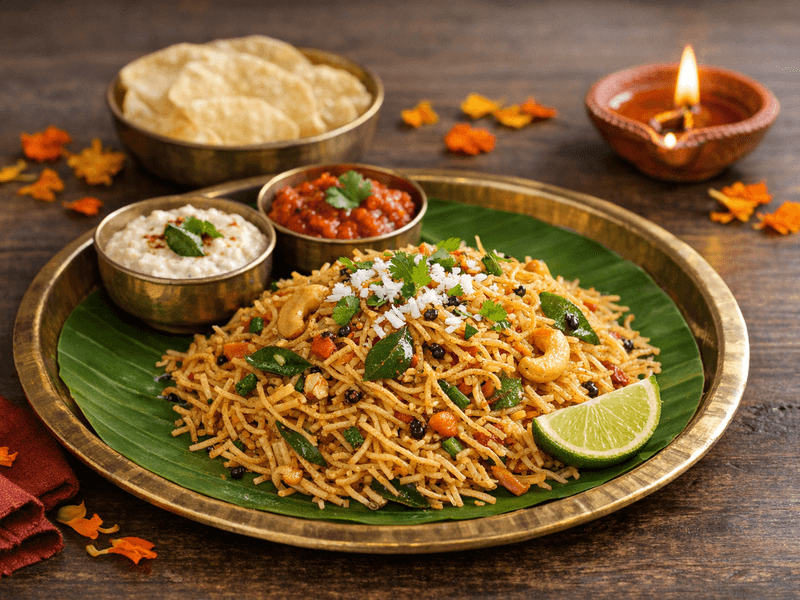
Millet Sevai is a cherished South Indian noodle dish that brings together the wholesomeness of millets and the comforting flavors of home-style tadka. Traditionally enjoyed in Tamil Nadu, Andhra Pradesh, and Karnataka, Millet Sevai is a lighter, more nutritious alternative to rice sevai or vermicelli. It features steamed, delicate strands of millet sevai sautéed with a medley of mustard seeds, curry leaves, and vegetables, delivering both taste and nourishment in every bite. This dish is especially popular as a lunch or tiffin option, often served during festivals like Pongal and Navratri. Its mild, nutty flavor and fluffy texture make it appealing for all age groups. Millet Sevai is not only gluten-free and easy to digest but also a smart choice for calorie-conscious individuals. Its versatility allows for numerous regional twists, from simple lemon sevai to vegetable-packed versions, making it a staple in many South Indian households. Whether you’re seeking a festive treat or a wholesome weekday meal, Millet Sevai offers a taste of India’s rich culinary heritage while supporting a modern, healthy lifestyle.
Ingredients(for 1 medium bowl (approx. 200g cooked))
- 1 cup Millet sevai (vermicelli) (Kodo, Little, or Foxtail millet sevai)
- 3 cups Water (for soaking and steaming sevai)
- 1 tsp Oil (preferably cold-pressed sesame or groundnut oil)
- 1/2 tsp Mustard seeds (rai)
- 1 tsp Urad dal (split black gram)
- 8-10 Curry leaves (fresh)
- 1 Green chilli (finely chopped)
- 1/4 cup Grated carrot
- 1/4 cup Chopped beans
- to taste Salt (sendha namak for fasting)
- 1 tbsp Fresh coriander (dhaniya) (chopped, for garnish) - optional
- 1 tsp Lemon juice (optional, for tanginess) - optional
Instructions
- 1
Soak the millet sevai in water for 3-5 minutes or as per pack instructions, then drain and set aside.
5 minutes
Do not over-soak, or sevai can turn mushy.
- 2
Steam the drained millet sevai in an idli steamer or pressure cooker (without weight) for 5-7 minutes until soft and fluffy.
7 minutes
Spread sevai on a plate for even steaming.
- 3
Heat oil in a kadhai or heavy pan. Add mustard seeds; let them splutter.
1 minute
Use cold-pressed oil for enhanced flavor and health benefits.
- 4
Add urad dal and sauté till golden. Add curry leaves and green chilli; sauté for 30 seconds.
2 minutes
Ensure dal turns crisp for a nutty crunch.
Why This Dish is Healthy
Choosing Millet Sevai for lunch means opting for whole grains over refined ones, promoting satiety and long-lasting energy. The dish is low in calories and fat, high in fiber, and packed with plant-based protein from millets and dals. Minimal oil and the addition of vegetables ensure a balanced meal ideal for weight management, diabetes-friendly diets, and overall wellness.
Millet Sevai is a powerhouse of nutrition, rich in dietary fiber, essential minerals like magnesium and iron, and B vitamins. Millets have a low glycemic index, making this dish suitable for blood sugar management. The inclusion of fresh vegetables boosts vitamin A, C, and antioxidants, while minimal oil keeps fat content low. This dish is naturally gluten-free when using pure millet sevai, supporting gut health and digestion.
Pro Tips
- 💡Tip 1: Always steam sevai after soaking for non-sticky, fluffy noodles.
- 💡Tip 2: Use a wide kadhai to toss sevai gently without breaking the strands.
- 💡Tip 3: Add lemon juice only after turning off the flame to preserve its fresh flavor and vitamin C.
Storage & Serving
Store leftover sevai in an airtight container in the refrigerator for up to 2 days. Reheat by steaming or sprinkling with water and microwaving for best texture.
Best served: Breakfast or Lunch
Nutrition Facts
| Nutrient | Per 100g |
|---|---|
| Energy | 180.0 kcal |