Masoor Dal Curry
Lunch • India
How to Make Masoor Dal Curry (Traditional & Healthy Version)
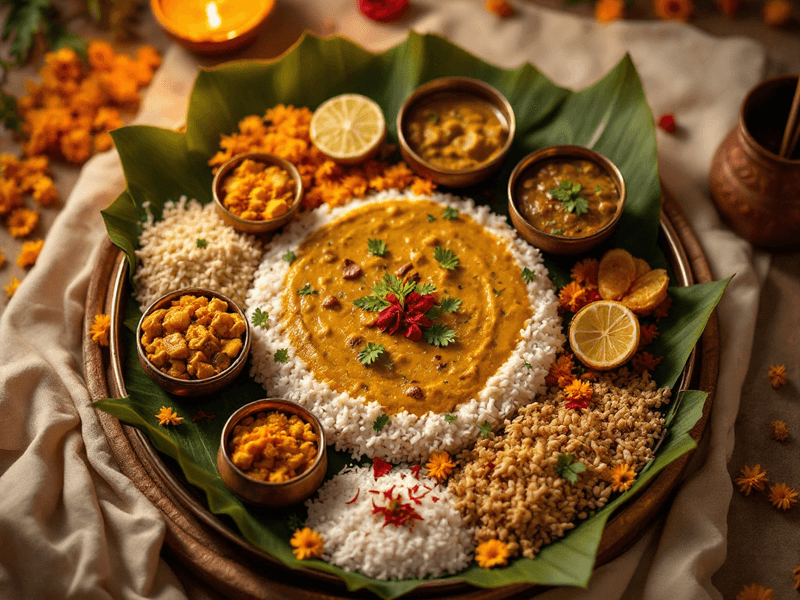
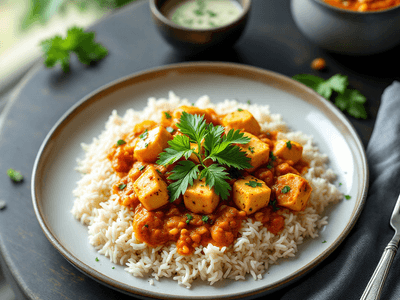
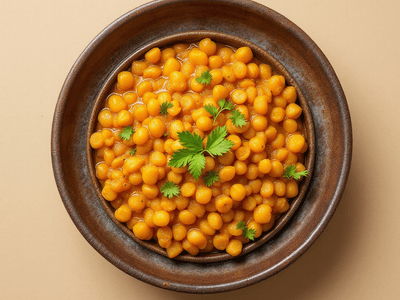
Masoor Dal Curry is a beloved staple from North India, often enjoyed as a comforting lunch across homes and dhabas. Made from red lentils (masoor dal), this curry is celebrated for its simplicity, rich flavors, and nutritional value. The dal is simmered with aromatic spices like jeera (cumin), hing (asafoetida), and garam masala, creating a wholesome dish that pairs beautifully with steamed rice or roti. Its earthy taste, velvety texture, and subtle heat make it a favorite during family meals and festive gatherings. Masoor Dal Curry is especially popular in Punjab and Uttar Pradesh, where lentils are a daily part of the diet. During festivals like Holi and Diwali, this dal is often served as part of a larger thali. Its adaptability means it can be spiced up or kept mild, appealing to all age groups. For health-conscious individuals, Masoor Dal Curry offers a protein-rich, low-fat meal that’s easy to digest and quick to prepare. The dish’s vibrant orange hue and aroma evoke memories of home-cooked food, making it a nutritious and flavorful choice for anyone seeking authentic Indian cuisine.
Ingredients(for 1 medium bowl (approx. 200 ml))
- 1 cup Masoor dal (red lentils) (मसूर दाल)
- 3 cups Water
- 1 medium, finely chopped Onion (प्याज)
- 1 large, finely chopped Tomato (टमाटर)
- 1 teaspoon Ginger-garlic paste (अदरक-लहसुन का पेस्ट)
- 1/2 teaspoon Turmeric powder (हल्दी)
- 1/2 teaspoon Red chilli powder (लाल मिर्च पाउडर)
- 1/2 teaspoon Cumin seeds (जीरा)
- 1 pinch Asafoetida (hing) (हींग)
- to taste Salt (नमक)
- 1/4 teaspoon Garam masala (गरम मसाला)
- 1 tablespoon Mustard oil or refined oil (सरसों तेल)
- 2 tablespoons, chopped Fresh coriander leaves (धनिया पत्ती) - optional
Instructions
- 1
Wash masoor dal thoroughly under running water. Soak for 15 minutes to help reduce cooking time and enhance digestibility.
15 minutes
Soaking dal improves texture and reduces anti-nutrients.
- 2
In a pressure cooker or heavy pan, add soaked masoor dal and water. Add turmeric and salt. Cook until dal is soft (2 whistles in cooker or 15-18 minutes in pan).
18 minutes
Do not overcook; dal should be soft but not mushy.
- 3
Heat mustard oil in a tawa or kadhai. Add cumin seeds and let them splutter. Add a pinch of hing, then onions. Sauté until onions turn golden brown.
5 minutes
Use mustard oil for authentic North Indian flavor.
- 4
Add ginger-garlic paste and sauté for 1 minute. Add chopped tomatoes, red chilli powder, and cook until tomatoes are soft and oil separates.
4 minutes
Add a splash of water if masala sticks.
Why This Dish is Healthy
Masoor Dal Curry is a healthy choice due to its high protein content, low fat, and abundant fiber. The lentils provide sustained energy without spiking blood sugar, making it suitable for weight management and diabetes. The addition of vegetables and Indian spices boosts immunity and supports overall wellness. It’s filling yet light, making it perfect for lunch and ideal for those seeking nutritious Indian meals.
Masoor Dal Curry is loaded with plant-based protein, making it ideal for vegetarians and vegans. Red lentils are rich in fiber, aiding digestion and promoting gut health. This curry contains essential vitamins like folate, iron, and B-complex vitamins, crucial for energy metabolism. The use of turmeric and ginger-garlic paste adds anti-inflammatory and antioxidant properties. Minimal oil and fresh vegetables keep calories low while offering potassium, magnesium, and phytonutrients. It’s a heart-healthy, low-fat, and cholesterol-free dish.
Pro Tips
- 💡Tip 1: Always soak masoor dal for faster cooking and better digestion.
- 💡Tip 2: Use mustard oil for authentic flavor, but substitute with refined oil if preferred.
- 💡Tip 3: Add a squeeze of lemon before serving for extra freshness and taste.
Storage & Serving
Store leftover curry in an airtight container in the refrigerator for up to 2 days. Reheat on a tawa or microwave, adding a splash of water to restore consistency.
Best served: Lunch
Nutrition Facts
| Nutrient | Per 100g |
|---|---|
| Energy | 200.0 kcal |
| Protein | 6.0 g |
| Carbohydrates | 17.0 g |
| Total Fat | 2.0 g |
| Fiber | 4.0 g |