Mangoripe
Lunch • India
How to Make Mangoripe (Traditional & Healthy Version)
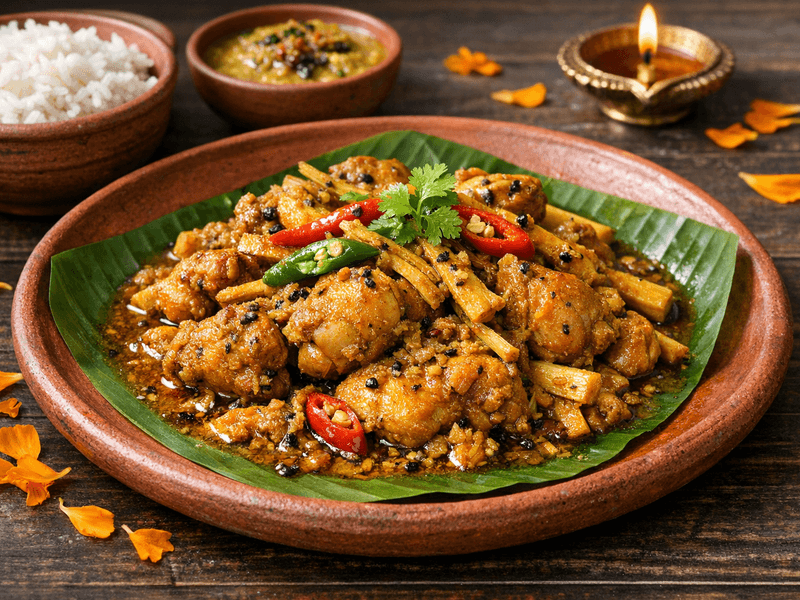
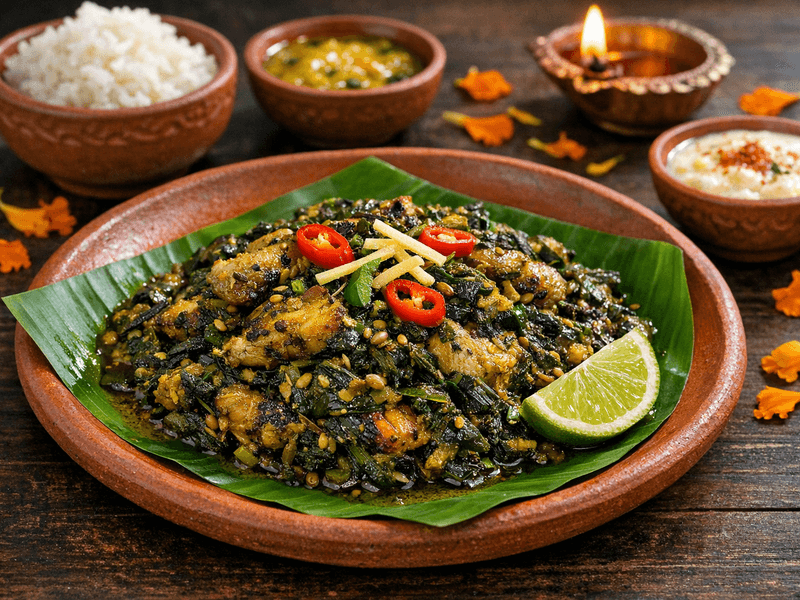
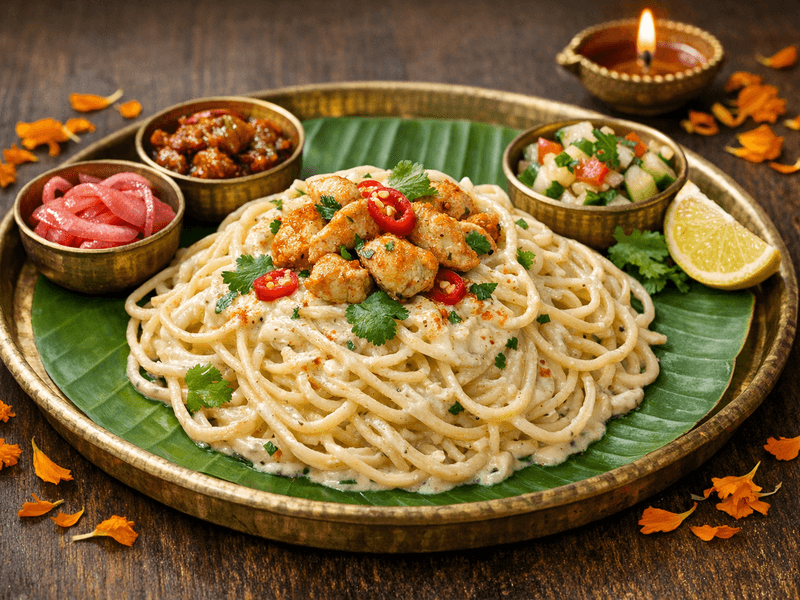
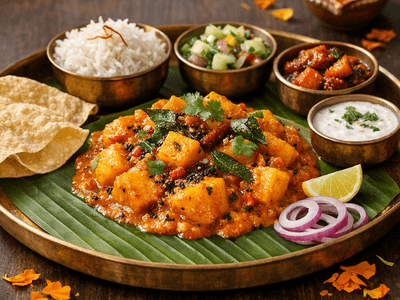
Mangoripe is a delightful Indian vegetarian dish inspired by the natural sweetness and vibrant flavor of ripe mangoes, a fruit beloved across India. Traditionally prepared during the summer months when mangoes are at their juiciest, Mangoripe celebrates the essence of Indian cuisine—simple, fresh, and bursting with flavor. The dish is a wholesome, lightly spiced mango curry made with minimal oil, making it perfect for calorie-conscious eaters. Served typically as a lunch dish, Mangoripe offers a balanced combination of sweet, tangy, and mildly spicy notes, making it a favorite for both adults and children. Mangoes, or 'aam' in Hindi, are an integral part of Indian culture and cuisine, especially in states like Maharashtra, Gujarat, and West Bengal, where various regional versions of mango curries are prepared. The naturally sweet taste of ripe mangoes is enhanced with traditional tempering of mustard seeds, curry leaves, and a hint of green chilli, resulting in a comforting curry that pairs well with hot steamed rice or whole wheat rotis. Mangoripe is often prepared during the peak summer festivals like Akshaya Tritiya or as a special dish for family gatherings, making it a beloved choice for festive Indian lunches. This healthy Mangoripe recipe is designed for modern Indian kitchens—low in oil, high in fiber, and rich in essential vitamins. It’s an excellent choice for anyone looking for a naturally sweet, vegetarian, and health-conscious Indian lunch.
Ingredients(for 1 medium bowl per person)
- 1 cup Ripe mango pulp (aam ras)
- 1/2 cup Low-fat curd (dahi)
- 2 tablespoons Besan (gram flour) (for thickening)
- 1/2 teaspoon Mustard seeds (rai)
- 8-10 Curry leaves (kadi patta)
- 1, finely chopped Green chilli (hari mirch)
- 1/4 teaspoon Turmeric powder (haldi)
- to taste Salt (namak)
- 1 teaspoon Jaggery (gud (optional, enhances sweetness)) - optional
- 1 teaspoon Cold-pressed oil (for tempering)
- 1 tablespoon, chopped Fresh coriander leaves (dhaniya patta) - optional
Instructions
- 1
In a mixing bowl, whisk together ripe mango pulp, low-fat curd, and besan until smooth and lump-free.
5 minutes
Use a hand whisk for an even, creamy texture.
- 2
Heat oil in a kadhai (deep pan) on medium flame. Add mustard seeds and let them splutter.
2 minutes
Allow the mustard seeds to crackle fully before adding other ingredients for maximum flavor.
- 3
Add curry leaves and chopped green chilli. Sauté for a few seconds until aromatic.
1 minute
Be careful not to burn the curry leaves; add them off the heat if oil is too hot.
- 4
Lower the flame and add turmeric powder. Stir quickly.
1 minute
Adding turmeric at this stage releases its color and aroma.
Why This Dish is Healthy
This Mangoripe recipe is a smart choice for health-conscious individuals, as it uses fresh, natural ingredients with minimal oil and no refined sugar. The combination of ripe mangoes and curd offers antioxidants and probiotics, supporting digestion and immunity. High in fiber and low in unhealthy fats, this dish fits perfectly into a balanced Indian diet, making it ideal for lunch without compromising on authentic taste.
Mangoripe is packed with the nutritional goodness of ripe mangoes, which are high in vitamin C, vitamin A, and dietary fiber. The use of low-fat curd adds protein and probiotics, supporting gut health. Besan (gram flour) is a rich source of plant-based protein and essential minerals like iron and magnesium. Minimal oil ensures lower fat content, while the inclusion of jaggery (if used) provides natural sweetness and minerals. This dish is naturally gluten-free if served without wheat-based sides and is easily adaptable for vegan diets.
Pro Tips
- 💡Tip 1: Use only fully ripe, sweet mangoes for the best flavor and natural sweetness.
- 💡Tip 2: Whisk the curd and besan thoroughly to prevent lumps in the curry.
- 💡Tip 3: Adjust the spice level by varying the amount of green chilli to suit your taste.
Storage & Serving
Store Mangoripe in an airtight container in the refrigerator for up to 2 days. Reheat gently on the stovetop before serving. Avoid freezing to maintain texture.
Best served: Lunch
Nutrition Facts
| Nutrient | Per 100g |
|---|---|
| Energy | 250.0 kcal |
| Protein | 1.0 g |
| Carbohydrates | 22.0 g |
| Total Fat | 0.0 g |
| Fiber | 2.0 g |