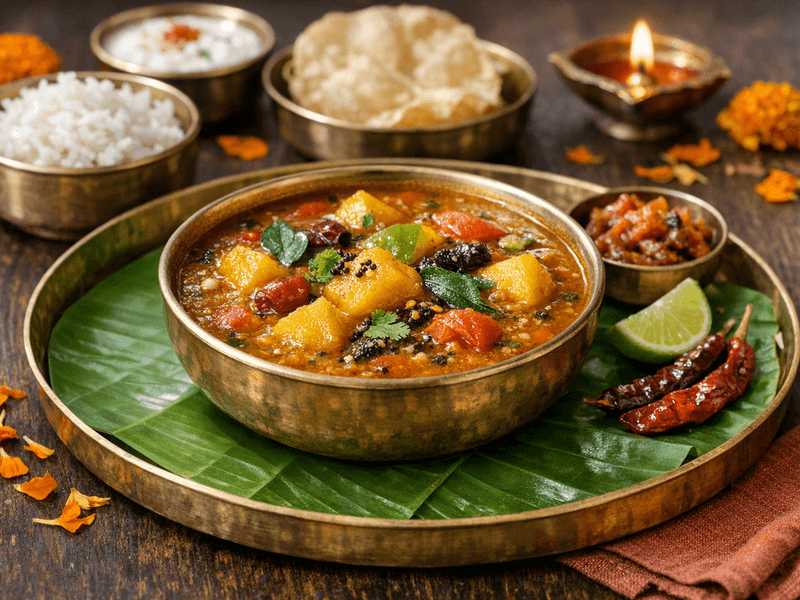
Mangalore Cucumber Mango Sambar
Lunch • India
How to Make Mangalore Cucumber Mango Sambar (Traditional & Healthy Version)
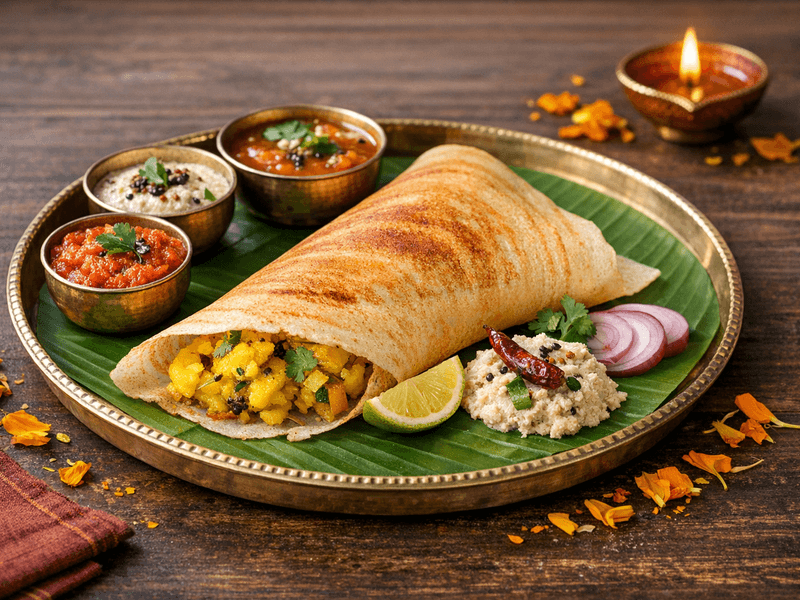
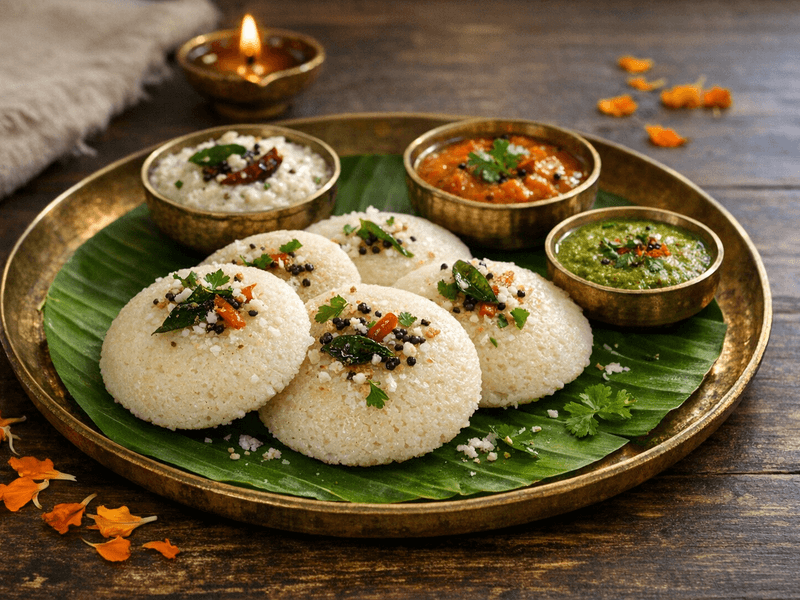
Mangalore Cucumber Mango Sambar is a classic South Indian vegetarian stew, celebrated for its unique blend of coastal flavors and wholesome ingredients. Originating from the coastal belt of Karnataka, especially the vibrant city of Mangalore, this sambar is a staple in Udupi cuisine. It features the locally beloved "magge" (Mangalore cucumber) and ripe mango, lending a delightful sweet-tangy profile that sets it apart from regular sambar. The dish is simmered with toor dal, freshly ground spices, coconut, and a tempering of mustard seeds and curry leaves, making it both aromatic and comforting. Perfect for lunch, Mangalore Cucumber Mango Sambar is often served with steaming hot rice or idli during family meals and festive occasions, especially in the summer when cucumbers and mangoes are in season. The addition of mango provides a gentle tartness that balances the earthy flavors of dal and the mild bitterness of cucumber. This recipe is an excellent choice for those seeking a traditional, healthy, and satisfying Indian dish, as it is light on oil and incorporates a variety of vegetables and plant-based protein. Its regional authenticity, coupled with its nutritious profile, makes it a cherished addition to any South Indian meal.
Ingredients(for 1 medium bowl (approx. 250 ml))
- 1/2 cup Toor dal (arhar dal) (split pigeon peas)
- 1 cup Mangalore cucumber (magge) (peeled and diced)
- 1/2 cup Ripe mango (cubed, local variety preferred)
- 1/2 tsp Turmeric powder (haldi)
- to taste Salt (namak)
- 1/4 cup Coconut (fresh grated) (nariyal)
- 2 Dry red chillies (byadgi or guntur)
- 1 tsp Coriander seeds (dhaniya)
- 1/2 tsp Cumin seeds (jeera)
- 1/2 tsp Mustard seeds (rai)
- 1 sprig Curry leaves (kadi patta)
- a pinch Hing (asafoetida) - optional
- 1 tsp Oil (preferably coconut oil)
Instructions
- 1
Rinse toor dal thoroughly and pressure cook with 1.5 cups water and turmeric powder until soft (2-3 whistles). Mash the cooked dal and set aside.
10 minutes
Soak dal for 20 minutes before cooking to reduce cook time and aid digestion.
- 2
In a deep pan, add diced Mangalore cucumber, mango pieces, and 1 cup water. Cook until vegetables are tender.
7 minutes
Add mango midway to prevent overcooking and preserve its flavor.
- 3
For the masala, roast dry red chillies, coriander seeds, and cumin seeds in a small pan with a few drops of oil. Grind with grated coconut and a little water to form a smooth paste.
5 minutes
Roast spices on low flame to prevent burning and enhance aroma.
- 4
Add the cooked dal and ground masala paste to the vegetables. Mix well, add salt, and simmer for 5 minutes until flavors meld.
5 minutes
Adjust water to achieve desired sambar consistency.
Why This Dish is Healthy
This sambar is a healthy choice as it is prepared with minimal oil, uses whole plant ingredients, and is packed with vegetables and legumes. The cucumber provides hydration and antioxidants, while mango adds natural sweetness and vitamin C. The use of homemade masala keeps sodium low compared to packaged variants, making it excellent for heart health and weight management.
Mangalore Cucumber Mango Sambar is naturally rich in dietary fiber, plant-based protein, and essential vitamins like vitamin A, vitamin C, and several B-complex vitamins, thanks to the use of dal, cucumber, and mango. The dish is low in saturated fat, cholesterol-free, and provides minerals such as potassium, magnesium, and iron. The addition of coconut gives beneficial fats, while spices like turmeric and cumin aid digestion and have anti-inflammatory properties.
Pro Tips
- 💡Tip 1: Use fresh, local magge (Mangalore cucumber) for authentic taste and texture.
- 💡Tip 2: Always grind the coconut paste very smooth for a creamy sambar.
- 💡Tip 3: Adding the mango at the right time prevents it from disintegrating and keeps the flavor fresh.
Storage & Serving
Store leftover sambar in an airtight container in the refrigerator for up to 2 days. Reheat gently before serving. The flavors tend to deepen on resting.
Best served: Lunch
Nutrition Facts
| Nutrient | Per 100g |
|---|---|
| Energy | 170.0 kcal |
| Protein | 2.0 g |
| Carbohydrates | 10.0 g |
| Total Fat | 1.0 g |
| Fiber | 2.0 g |