Low Fat Cow Paneer
Lunch • India
How to Make Low Fat Cow Paneer (Traditional & Healthy Version)
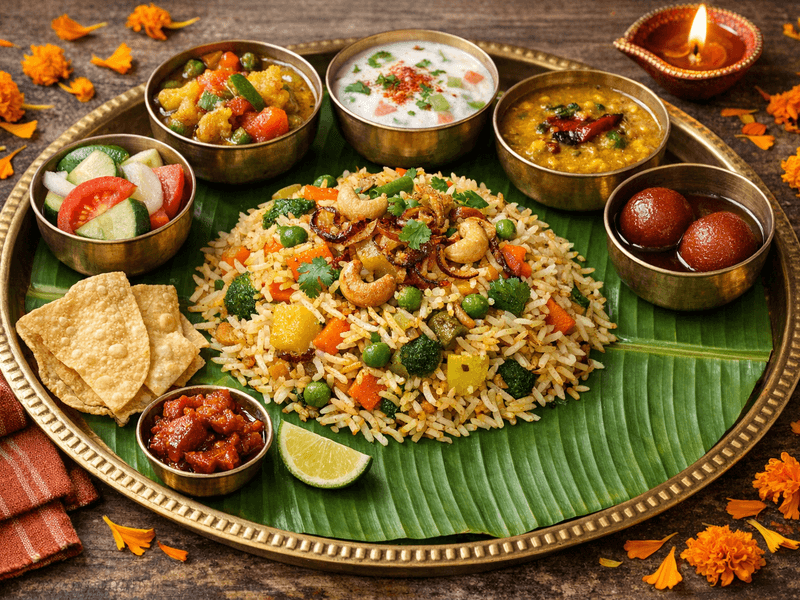
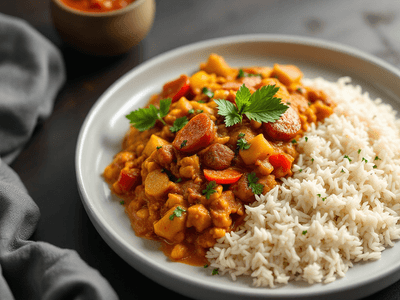
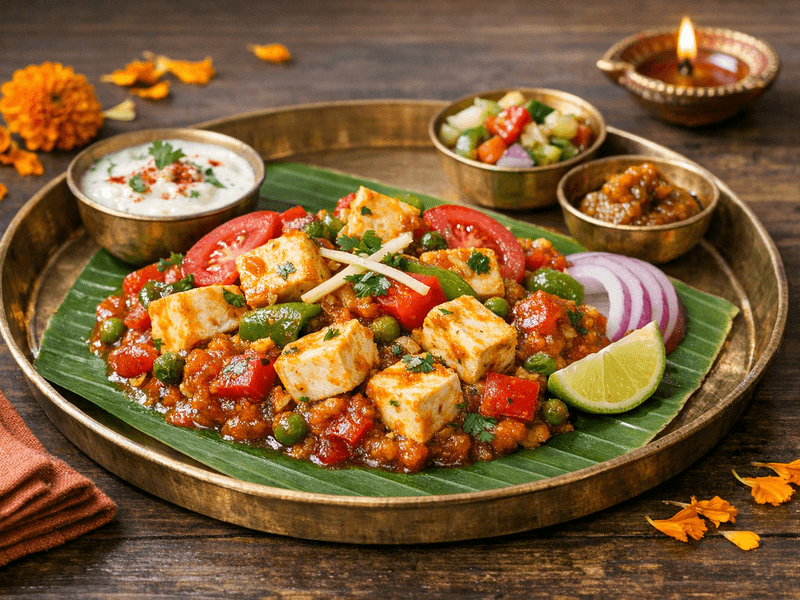
Low Fat Cow Paneer is an Indian vegetarian classic, beloved in homes across the country for its creamy texture and versatility. Traditionally crafted from cow’s milk, paneer is a staple in North Indian kitchens and features in festive thalis during celebrations like Diwali, Holi, and Navratri. Making paneer at home ensures purity and allows you to control fat content, making it a wholesome addition to your lunch menu. Paneer is known for its mild, milky flavor and soft, crumbly texture, which pairs beautifully with Indian spices and gravies. This low-fat version uses skimmed cow’s milk, reducing saturated fats while preserving protein and calcium. Paneer is a great source of energy for vegetarians and is enjoyed in dishes like palak paneer, paneer tikka, and as a protein-rich stuffing in parathas. Making fresh paneer at home is a rewarding process, connecting you to generations of Indian culinary tradition. Whether served plain, in curries, or grilled on a tawa, Low Fat Cow Paneer is a nutritious, satisfying choice for anyone looking to enjoy authentic Indian flavor without compromising on health.
Ingredients(for 100 grams paneer per serving)
- 1 litre Skimmed cow's milk (doodh)
- 2 tablespoons Fresh lemon juice (nimbu ras)
- 1 tablespoon White vinegar (sirka) - optional
- 2 cups Cold water (thanda paani)
- 1/4 teaspoon Pinch of salt (namak) - optional
- 1 large piece Muslin cloth (malmal ka kapda)
Instructions
- 1
Pour skimmed cow's milk into a heavy-bottomed pan and bring to a gentle boil on medium flame, stirring occasionally to prevent sticking.
8 minutes
Use a thick-bottomed vessel for even heating and to avoid burnt milk flavor.
- 2
Once the milk begins to boil, lower the heat. Gradually add lemon juice (or vinegar) while stirring gently. The milk will curdle, separating into chenna (curds) and whey.
3 minutes
Add acid slowly to prevent the paneer from turning hard.
- 3
Turn off the flame. Allow the mixture to rest for 2 minutes to ensure complete separation.
2 minutes
Letting it rest helps the curds firm up for better texture.
- 4
Line a sieve with a clean muslin cloth. Pour the curdled milk through the cloth to collect the chenna, rinsing immediately with cold water to remove traces of lemon/vinegar and cool the paneer.
2 minutes
Rinsing also prevents sour taste in your paneer.
Why This Dish is Healthy
This Low Fat Cow Paneer recipe uses skimmed milk, significantly reducing fat content while retaining high protein and calcium. It is free from preservatives and artificial additives, making it a clean, whole food option. Ideal for weight loss, diabetes, and vegetarian diets, this homemade paneer is versatile for lunch recipes and provides steady energy without spiking blood sugar.
Low Fat Cow Paneer is a powerhouse of protein, supplying all essential amino acids for muscle repair and growth. Made from skimmed milk, it's lower in calories and saturated fat compared to regular paneer, making it heart-friendly. Paneer is also rich in calcium for strong bones, phosphorus, and B vitamins, supporting metabolic health. With minimal carbohydrates and no added sugar, it’s suitable for weight-watchers and diabetics. Natural probiotics from fresh paneer aid digestion and gut health.
Pro Tips
- 💡Use fresh cow’s milk for best results and softer paneer.
- 💡Don’t over-press; softer paneer is ideal for curries and parathas.
- 💡Rinse with cold water thoroughly to remove the acidic aftertaste.
Storage & Serving
Store paneer in an airtight container, submerged in water, in the refrigerator for up to 2 days. Change the water daily for freshness. Avoid freezing as it alters texture.
Best served: Breakfast or Lunch
Nutrition Facts
| Nutrient | Per 100g |
|---|---|
| Energy | 180.0 kcal |