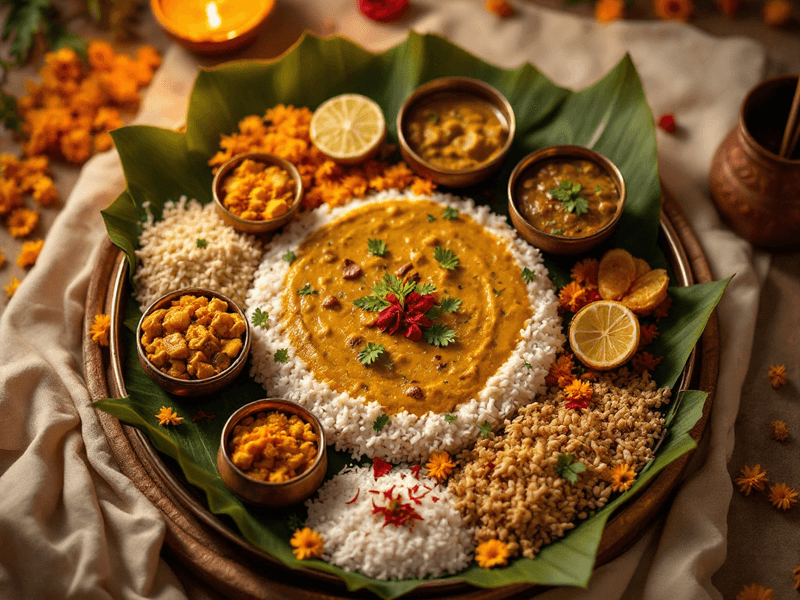
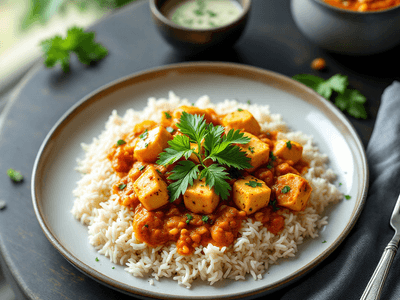
📸 Image coming soon for Lotus Stem Curry
Lotus Stem Curry
Lunch • India
How to Make Lotus Stem Curry (Traditional & Healthy Version)
Lotus Stem Curry, also known as 'Kamal Kakdi ki Sabzi' in Hindi, is a beloved North Indian vegetarian dish that brings together the unique texture and earthy flavor of lotus stem with aromatic spices. Traditionally prepared in the Punjab and Kashmir regions, this curry is a staple during lunch and special occasions, especially in households that appreciate nutrient-rich vegetables. The lotus stem, called 'kamal kakdi', is prized in Indian cuisine for its crunch and subtle taste, absorbing the rich masala gracefully. This dish is often served with roti, paratha, or steamed rice, making it perfect for a wholesome Indian meal. The curry’s taste is a harmonious blend of spicy, tangy, and earthy notes, thanks to the combination of ginger, garlic, tomatoes, and classic Indian spices like cumin and coriander. Lotus Stem Curry is especially popular during winter months and festive gatherings, such as Lohri or Diwali, where comforting, nourishing food is celebrated. Its versatility and health benefits make it an excellent choice for calorie-conscious individuals, vegetarians, and those seeking authentic North Indian flavors. Whether you are exploring Indian vegetarian recipes or looking for a lunch option that showcases regional produce, Lotus Stem Curry is a must-try for anyone interested in Indian cuisine.
Ingredients(for 1 bowl (approx. 250g curry with lotus stem))
- 200g Lotus stem (kamal kakdi) (cleaned, peeled, sliced)
- 1 medium Onion (finely chopped)
- 1 large Tomato (pureed or finely chopped)
- 1 teaspoon Ginger-garlic paste (freshly made for best flavor)
- 1 Green chilli (finely chopped) - optional
- 1/2 teaspoon Cumin seeds (jeera) (whole)
- 1 teaspoon Coriander powder (dhaniya) (ground)
- 1/4 teaspoon Turmeric powder (haldi) (for color and nutrition)
- 1/2 teaspoon Red chilli powder (adjust to taste)
- 1/2 teaspoon Garam masala (Punjabi style)
- to taste Salt (sendha namak for fasting)
- 1 tablespoon Mustard oil (traditional, can use olive oil for lighter version)
- 1 tablespoon Fresh coriander leaves (chopped, for garnish) - optional
Instructions
- 1
Wash, peel, and slice the lotus stem into thin rounds. Blanch them in boiling water for 5 minutes to soften and remove impurities.
5 minutes
Ensure lotus stem is properly cleaned to avoid any grit.
- 2
Heat mustard oil in a kadhai. Add cumin seeds and let them splutter. Add chopped onion and sauté until golden brown.
4 minutes
Use mustard oil for authenticity; heat it till it smokes to remove bitterness.
- 3
Add ginger-garlic paste and green chilli. Sauté for 1 minute until fragrant.
1 minute
Do not overcook ginger-garlic paste to retain aroma.
- 4
Stir in pureed tomato. Cook until oil separates and the masala is well cooked.
4 minutes
Add a pinch of salt to speed up the tomato cooking.
Why This Dish is Healthy
Lotus Stem Curry is a healthy lunch option because it uses whole, plant-based ingredients, is low in saturated fat, and offers a good dose of vitamins and minerals. The dish is naturally gluten-free and can be made vegan. Its high fiber content promotes satiety, making it suitable for weight loss and diabetes management. The use of traditional Indian spices not only adds flavor but enhances metabolism and digestion, making this curry a smart choice for anyone tracking calories.
Lotus stem is a nutritional powerhouse, rich in dietary fiber, vitamin C, potassium, and iron. It supports digestion, boosts immunity, and helps regulate blood pressure. The curry uses minimal oil and fresh vegetables, keeping calories in check. The combination of spices like turmeric and cumin offer anti-inflammatory and antioxidant benefits. This vegetarian curry is balanced in macros and contains complex carbohydrates, making it suitable for sustained energy. Adding mustard oil further boosts omega-3 content, while avoiding dairy keeps it lighter.
Pro Tips
- 💡Tip 1: Always blanch lotus stem to remove any bitterness and grit.
- 💡Tip 2: Use mustard oil for authentic flavor but heat till it smokes for best results.
- 💡Tip 3: Add garam masala only at the end to preserve aroma and taste.
Storage & Serving
Store leftover curry in an airtight container in the refrigerator for up to 2 days. Reheat on a tawa or in a microwave before serving. Avoid freezing as lotus stem texture may change.
Best served: Lunch
Nutrition Facts
| Nutrient | Per 100g |
|---|---|
| Energy | 180.0 kcal |