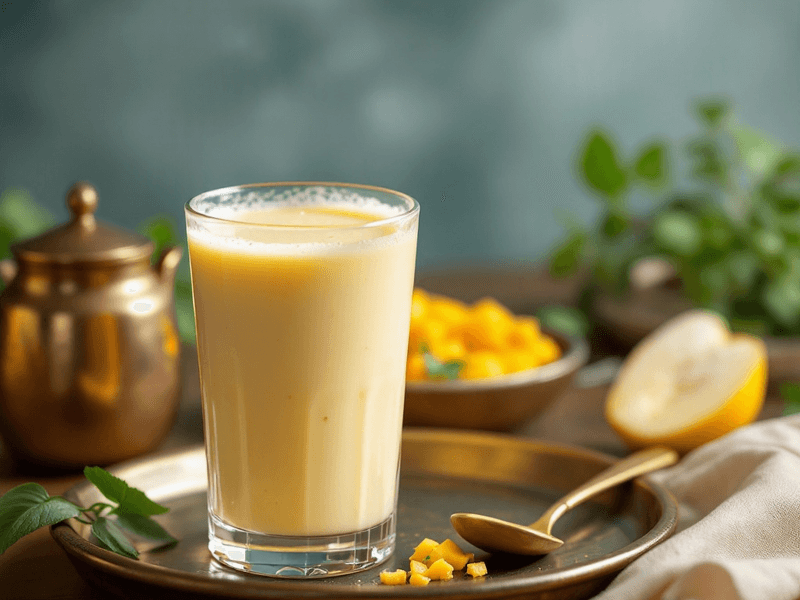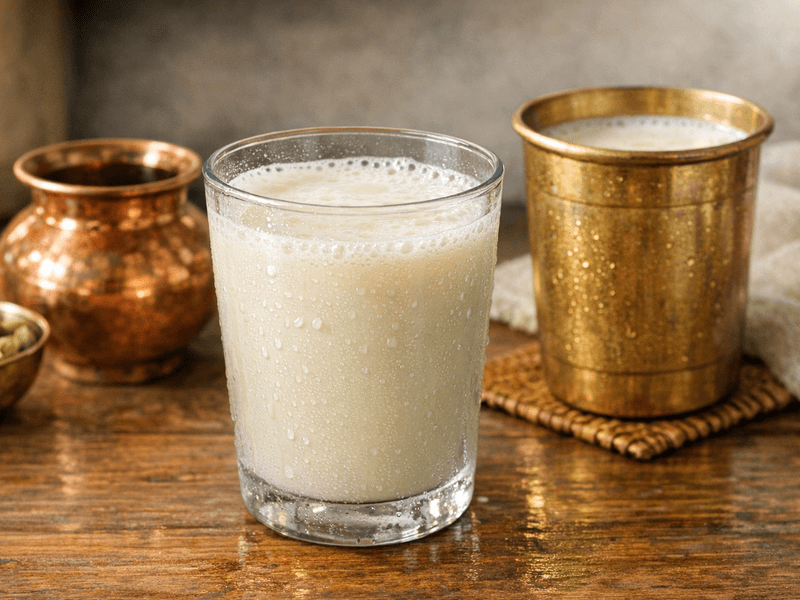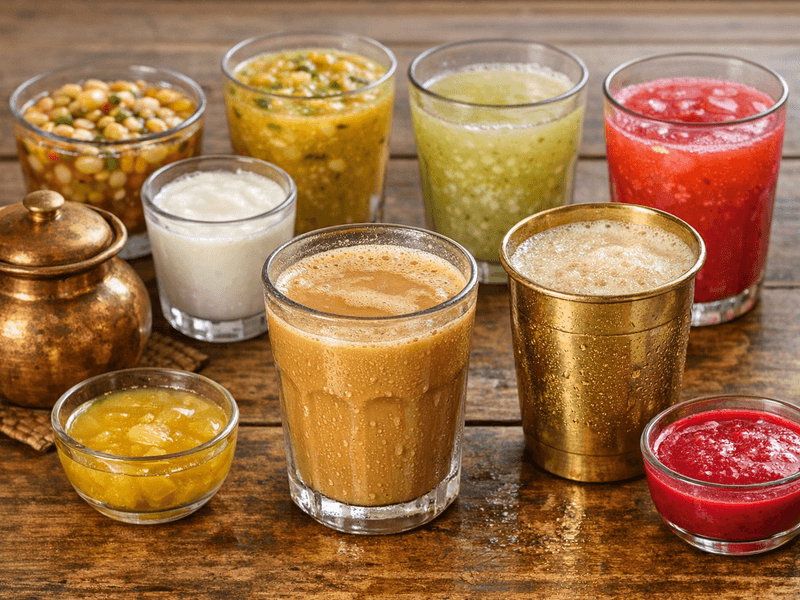
Friday Corn Peanut Salad 100g Cashew Coffee with Sugar 100ml Sattu 300ml Mooli Amaranthua Dal 400ml Kodo Millet 200g Curd 100ml Jackfruit 4 Pc Pasta with 60g Tofu and Beetroot Sauce, Mushroom, Cauliflower, Spinach Mango 1 Watermelon 1/4th
Beverages • India
How to Make Friday Corn Peanut Salad & Cashew Coffee Platter (Traditional & Healthy Version)
This unique Indian vegetarian platter brings together a medley of flavors and nutrition, combining the crunch of corn peanut salad, the earthy richness of sattu, hearty mooli amaranth dal, fiber-packed kodo millet, creamy dahi (curd), ripe jackfruit, refreshing fruits, and a vibrant pasta with tofu and beetroot sauce. Each component is rooted in Indian culinary traditions, such as sattu from Bihar and mooli dal from North India, while the inclusion of kodo millet and amaranth showcases the resurgence of ancient grains for modern health. This platter makes for a wholesome meal, perfect for Friday gatherings, family lunches, or festive occasions like Holi and Sankranti. The taste is a delightful journey through sweet, spicy, tangy, and creamy notes, ensuring both satisfaction and nourishment. The addition of cashew coffee (kaju coffee) with a touch of sugar is a unique Indian beverage twist, offering both energy and indulgence. This recipe is a perfect fit for calorie-conscious eaters looking for a balanced, protein-rich, and fiber-loaded meal that doesn't compromise on authentic regional tastes.
Ingredients(for 1 large Indian thali platter with beverage)
- 1 cup Sweet corn kernels (makai ke dane)
- 1/2 cup Roasted peanuts (moongphali bhuni hui)
- 1/2 cup, chopped Fresh cucumber (kheera)
- 1 small, chopped Red onion (pyaz)
- 2 tbsp, chopped Fresh coriander (dhaniya)
- 100g Cashews (kaju)
- 1 tsp Instant coffee powder (Indian filter or regular)
- 2 tsp Sugar (chini, adjust to taste)
- 3 tbsp Sattu powder (roasted chana flour)
- 300ml Buttermilk or water (mattha or paani)
- 1 medium, grated Radish (mooli)
- 1 cup, chopped Amaranth leaves (chaulai)
- 1/2 cup Split yellow moong dal (moong dal)
- 200g Kodo millet (kodo)
- 100ml Curd (dahi) (fresh, homemade preferred)
- 4 pieces Jackfruit (kathal, ripe)
- 100g Whole wheat pasta (atta pasta preferred)
- 60g, cubed Tofu (soya paneer)
- 1 small, boiled & pureed Beetroot (chukandar)
- 1/2 cup, sliced Mushrooms (khumb)
- 1/2 cup, florets Cauliflower (gobhi)
- 1/2 cup, chopped Spinach (palak)
- 1, sliced Mango (aam, ripe)
- 1/4th, sliced Watermelon (tarbooj)
- to taste Salt (namak, sendha namak for fasting)
- 1/2 tsp Black pepper (kali mirch)
- 2 tbsp Lemon juice (nimbu ras)
- 1 tbsp Olive oil or mustard oil (sarson ka tel for Indian flavor)
Instructions
- 1
Prepare the Corn Peanut Salad: Mix boiled sweet corn, roasted peanuts, cucumber, onion, coriander, salt, pepper, and lemon juice in a bowl. Toss gently.
5 minutes
Roast peanuts and corn for extra flavor.
- 2
Make Sattu Drink: In a glass, dissolve sattu powder in buttermilk or water. Add salt, black pepper, and a dash of lemon juice. Stir well and chill.
3 minutes
Add mint or grated cucumber for extra freshness.
- 3
Cook Mooli Amaranth Dal: Pressure cook moong dal with 1.5 cups water, grated radish, amaranth leaves, salt, and turmeric for 2 whistles. Temper with a tsp of oil, cumin, and garlic.
10 minutes
Use a tadka of hing and jeera for an authentic touch.
- 4
Prepare Kodo Millet: Rinse and pressure cook kodo millet with 2 cups water and a pinch of salt for 2 whistles. Fluff with fork.
10 minutes
Soak millet for 30 minutes for quicker cooking.
Why This Dish is Healthy
This dish is an excellent choice for a balanced Indian vegetarian meal, providing all major food groups with minimal oil and no deep-frying. The use of ancient grains, legumes, and seasonal produce keeps the glycemic index low and enhances satiety. The recipe is high in fiber, plant-based protein, and healthy fats, making it suitable for weight management, diabetic diets, and overall wellness. It is naturally low in saturated fat and refined sugar, supporting heart health and sustained energy.
This platter is a powerhouse of nutrition, rich in plant protein from dal, tofu, and sattu, complex carbs from millet and pasta, good fats from cashews and peanuts, and a rainbow of vitamins and minerals from fresh vegetables and fruits. Amaranth and kodo millet are ancient Indian grains high in fiber and micronutrients like iron, calcium, and magnesium, supporting digestive health and energy. The inclusion of fruits like mango and watermelon provides natural hydration, antioxidants, and vitamin C, while the probiotic curd supports gut health.
Pro Tips
- 💡Tip 1: Use sprouted moong in salad for added protein.
- 💡Tip 2: Substitute kodo millet with foxtail millet or brown rice if unavailable.
- 💡Tip 3: Add roasted jeera powder to sattu drink for enhanced digestion.
Storage & Serving
Best served fresh. Dal and millet can be refrigerated for up to 2 days in airtight containers. Salad and fruits should be prepared just before serving for crunch and freshness. Cashew coffee and sattu can be made ahead and chilled.
Best served: Breakfast or Lunch
Nutrition Facts
| Nutrient | Per 100g |
|---|---|
| Energy | 250.0 kcal |