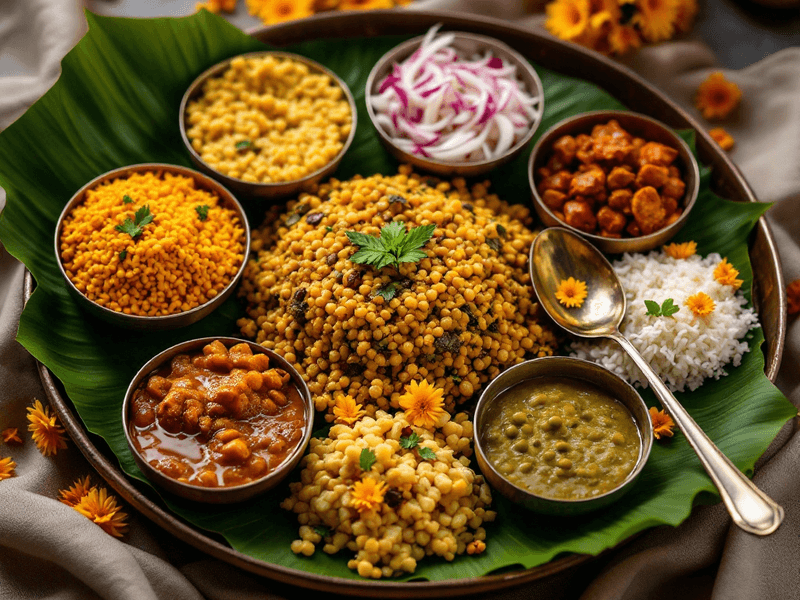
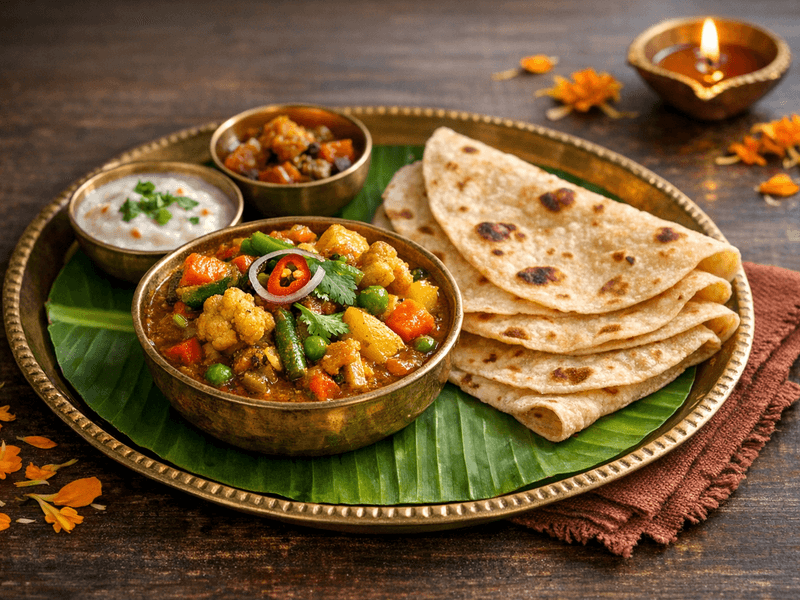
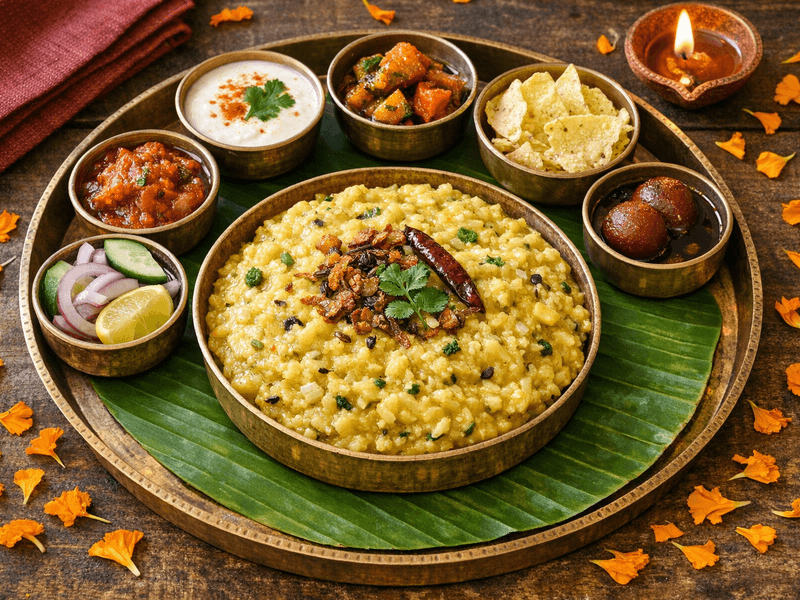
📸 Image coming soon for Khadi
Khadi
Lunch • India
How to Make Kadhi (Traditional & Healthy Version)
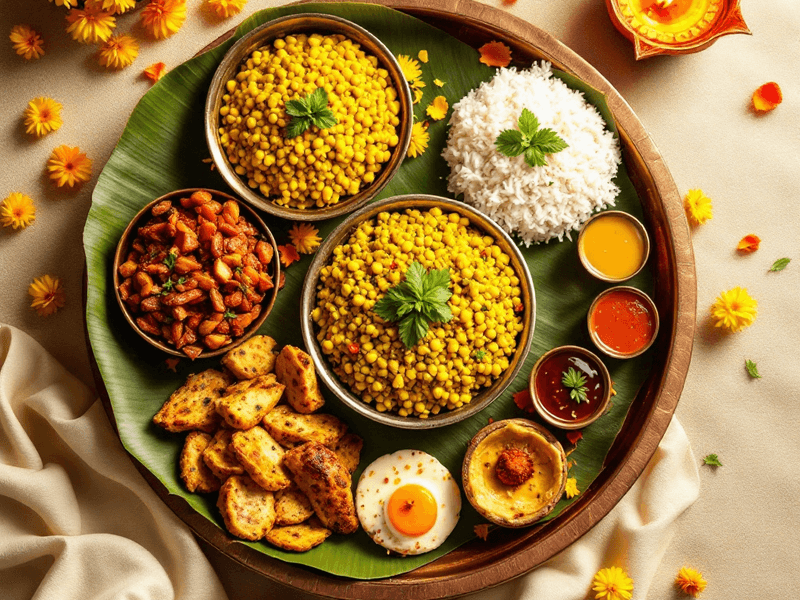
Kadhi is a classic Indian yogurt-based curry, beloved across the country for its tangy flavor and comforting aroma. Originating from the heart of North India, especially Punjab, Gujarat, and Rajasthan, Kadhi has found its way into kitchens throughout the nation with delightful regional twists. Made with dahi (curd) and besan (gram flour), it is gently simmered with warming spices like haldi (turmeric), jeera (cumin), and curry leaves, creating a luscious, creamy texture that pairs perfectly with steamed rice or bajra roti. Kadhi holds a special place in Indian culinary traditions, often prepared for lunch during festivals, family gatherings, or as wholesome weekday comfort food. Its light yet satisfying quality makes it a cherished dish during the summer months, especially when the body craves cooling and nourishing meals. The combination of simple ingredients and aromatic tadka (tempering) transforms everyday staples into a delightful, nutrient-rich curry. Whether enjoyed in a Rajasthani, Punjabi, or Gujarati avatar, Kadhi epitomizes the essence of Indian home-style cooking: nourishing, flavorful, and steeped in tradition.
Ingredients(for 1 medium bowl (approx. 200 ml))
- 1 cup Dahi (curd) (preferably homemade or low-fat)
- 2 tablespoons Besan (gram flour) (finely sifted)
- 1/4 teaspoon Haldi (turmeric powder)
- 1/2 teaspoon Jeera (cumin seeds)
- 1/2 teaspoon Sarson (mustard seeds)
- 8-10 Kadi patta (curry leaves) (fresh)
- 1 Hari mirch (green chili) (finely chopped) - optional
- 1/2 inch Adrak (ginger) (grated) - optional
- a pinch Hing (asafoetida)
- to taste Salt
- 1 teaspoon Oil (preferably mustard oil) (or ghee for richer flavor)
- 2 cups Water
- 1 tablespoon Fresh coriander leaves (chopped, for garnish) - optional
Instructions
- 1
In a mixing bowl, whisk dahi (curd) until smooth. Add besan, haldi, and salt. Gradually add water, whisking continuously to ensure there are no lumps.
5 minutes
Use a hand whisk for a lump-free kadhi base.
- 2
Heat oil or ghee in a kadhai (deep pan) on medium flame. Add jeera, sarson, and hing. Once they splutter, add chopped green chili, grated ginger, and curry leaves. Sauté for a minute until aromatic.
3 minutes
Temper spices on medium heat to avoid burning.
- 3
Pour the besan-curd mixture into the kadhai, stirring continuously to prevent curdling. Increase heat and bring to a gentle boil.
5 minutes
Keep stirring to maintain a smooth consistency.
- 4
Reduce flame to low. Simmer the kadhi for 12-15 minutes, stirring occasionally until it thickens and the raw taste of besan disappears.
15 minutes
If kadhi thickens too much, add a splash of water to adjust consistency.
Why This Dish is Healthy
This kadhi recipe uses low-fat dahi and very little oil, making it a light yet satisfying meal option. The absence of pakoras significantly cuts down on calories and fat, while besan adds plant-based protein and dietary fiber. The dish is naturally gluten-free (if hing is avoided) and can easily be adapted for vegan diets. Perfect for weight management and a heart-healthy vegetarian diet, kadhi is both nourishing and delicious.
Kadhi is a nutrient-dense vegetarian dish rich in protein from dahi and besan. It provides probiotics that support gut health, essential vitamins like B12 and calcium, and minerals such as magnesium and potassium. The use of turmeric offers anti-inflammatory benefits, while ginger and curry leaves aid digestion. With minimal oil and no deep-frying, this recipe is low in saturated fat and ideal for those tracking their calories or maintaining a balanced diet.
Pro Tips
- 💡Tip 1: Always whisk curd and besan thoroughly for a smooth kadhi.
- 💡Tip 2: Stir constantly while adding the besan-curd mix to prevent curdling.
- 💡Tip 3: Use fresh curry leaves and ginger for enhanced aroma and taste.
Storage & Serving
Store leftover kadhi in an airtight container in the refrigerator for up to 2 days. Reheat gently on the stove, adding a little water if it thickens.
Best served: Lunch
Nutrition Facts
| Nutrient | Per 100g |
|---|---|
| Energy | 250.0 kcal |