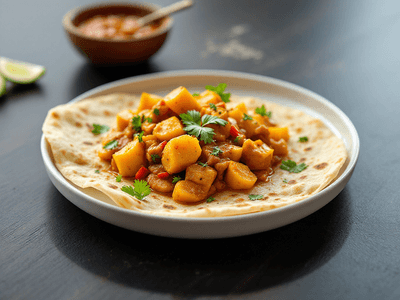
📸 Image coming soon for Kerala Sadya
Kerala Sadya
Lunch • India
How to Make Kerala Sadya (Traditional & Healthy Version)
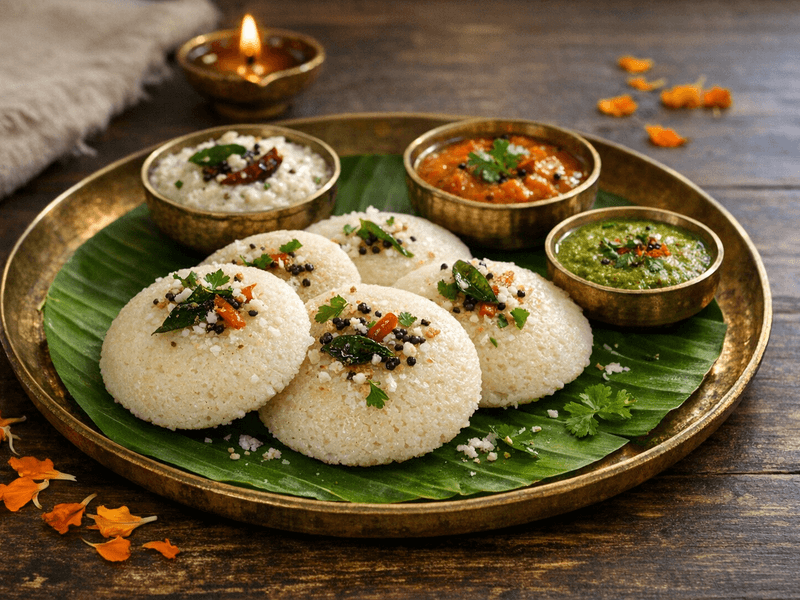
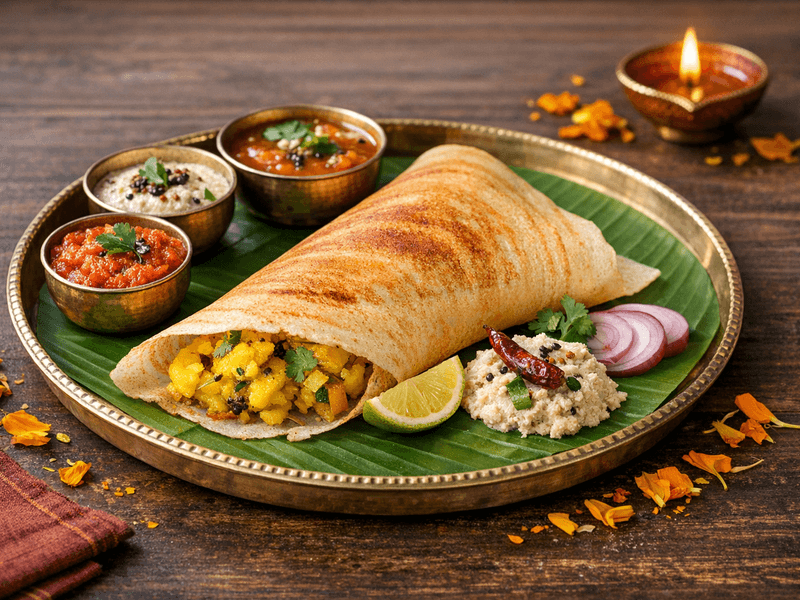
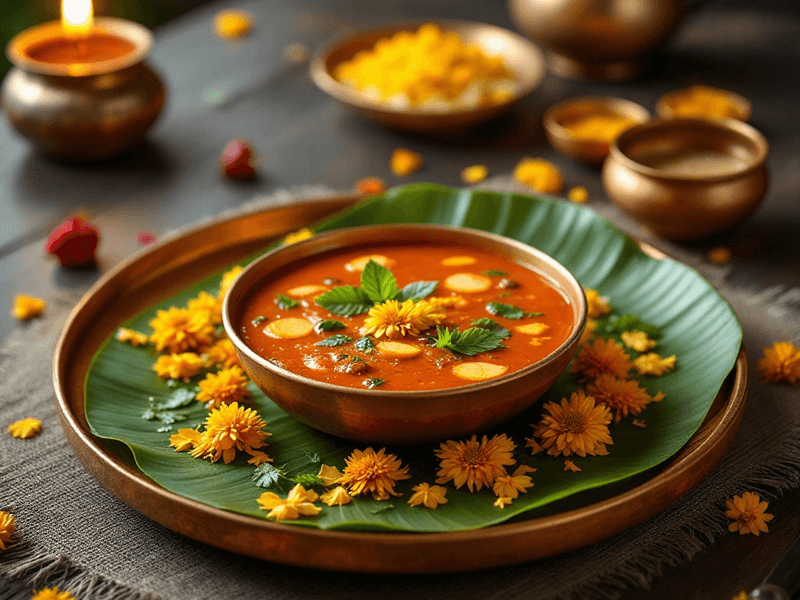
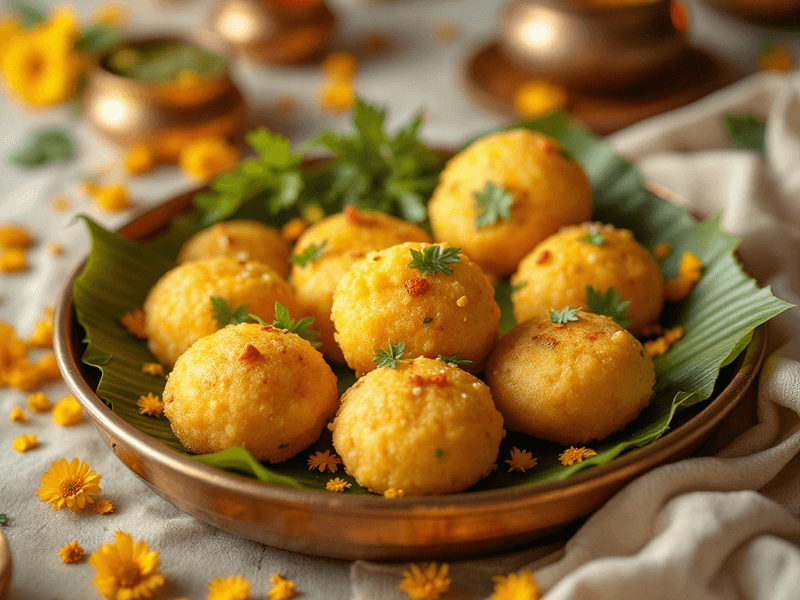
Kerala Sadya is a grand vegetarian feast from the lush state of Kerala, celebrated for its vibrant flavors, rich traditions, and wholesome ingredients. Traditionally served on a banana leaf, Sadya comprises a delightful array of dishes such as avial, olan, sambar, rasam, thoran, pachadi, and payasam, each with unique textures and tastes. This meal is a staple during Onam and Vishu festivals, symbolizing abundance and communal harmony. The combination of coconut, fresh vegetables, lentils, and aromatic spices makes Kerala Sadya a symphony of flavors. What makes Kerala Sadya truly special is its harmonious balance of sweet, sour, spicy, and savory elements, delivering an unforgettable culinary experience. The use of local ingredients like coconut oil, curry leaves, and mustard seeds brings out authentic South Indian flavors. Kerala Sadya is not just a meal but a celebration of Kerala’s agricultural richness and cultural heritage, making it a must-have experience for every food lover seeking wholesome Indian cuisine.
Ingredients(for A traditional banana leaf meal with portions of 7-8 dishes per person)
- 1 cup Raw rice (pachari) (Kerala short-grain rice)
- 2 cups Mixed vegetables (yam, carrot, ash gourd, beans for avial)
- 1 cup Coconut, grated (Freshly grated)
- 2 sprigs Curry leaves (Kari patta)
- 2 tsp Mustard seeds
- 1/2 cup Toor dal (For sambar)
- 1 Drumstick (For sambar)
- 1 cup Yogurt (curd) (For pachadi)
- 1/2 tsp Turmeric powder (Haldi)
- 2 tbsp Coconut oil (For authentic taste)
Instructions
- 1
Wash and cook the raw rice until soft and fluffy. Set aside for serving on banana leaves.
10 minutes
Use Kerala pachari for authentic texture.
- 2
Prepare avial by chopping mixed vegetables. Boil with turmeric, salt, and minimal water. Add grated coconut and curry leaves, drizzle coconut oil, and mix well.
7 minutes
Do not overcook vegetables; they should retain shape.
- 3
For sambar, pressure cook toor dal until soft. In a pan, add drumstick, other sambar vegetables, cooked dal, sambar powder, and simmer. Temper with mustard seeds and curry leaves in coconut oil.
12 minutes
Add a pinch of jaggery for balanced flavor.
- 4
Prepare thoran by sautéing finely chopped vegetables with grated coconut, turmeric, and curry leaves.
6 minutes
Use minimal oil and high flame for crunch.
Why This Dish is Healthy
This Kerala Sadya recipe is health-conscious, using fresh, seasonal vegetables, minimal oil, and natural sweeteners. The meal is naturally gluten-free and can be made vegan. It provides a balanced mix of carbohydrates, proteins, and healthy fats, making it suitable for weight management, diabetes, and overall wellness. Its high fiber content helps with digestion and satiety.
Kerala Sadya is packed with fiber-rich vegetables, plant-based proteins from lentils, and healthy fats from coconut oil. It offers essential vitamins like vitamin C, B-complex, and minerals such as potassium, calcium, and magnesium. The use of natural spices and minimal oil ensures a heart-healthy meal. Fermented curd in pachadi aids digestion, while payasam made with jaggery adds iron.
Pro Tips
- 💡Tip 1: Always use fresh coconut for authentic flavor.
- 💡Tip 2: Prepare all components simultaneously for a hot and fresh Sadya.
- 💡Tip 3: Serve on banana leaves for traditional presentation and enhanced aroma.
Storage & Serving
Best enjoyed fresh. Leftovers can be refrigerated for 1 day; reheat curries before serving. Payasam can be stored in an airtight container for up to 2 days.
Best served: Lunch
Nutrition Facts
| Nutrient | Per 100g |
|---|---|
| Energy | 900.0 kcal |
| Protein | 3.0 g |
| Carbohydrates | 27.0 g |
| Total Fat | 3.0 g |
| Fiber | 3.0 g |