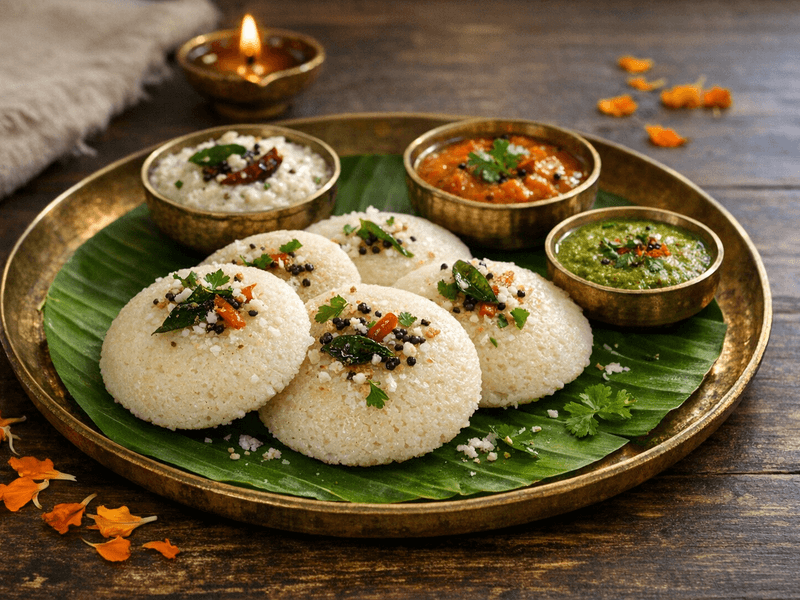
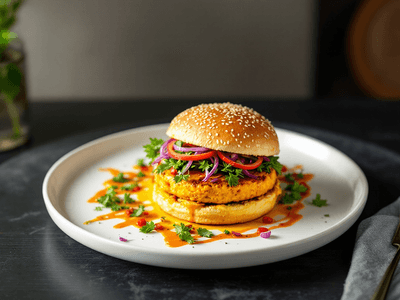
📸 Image coming soon for Kerala Porota
Kerala Porota
Lunch • India
How to Make Kerala Porota (Traditional & Healthy Version)
Kerala Porota, also known as Malabar Parotta, is a beloved flatbread from the southern state of Kerala, India. Renowned for its soft, flaky layers and rich texture, this dish is a staple in South Indian households and popular at both street stalls and festive gatherings. Traditionally made with maida (refined flour), this healthy version uses whole wheat atta to increase nutritional value while preserving the authentic texture and flavor. Kerala Porota’s unique preparation involves repeatedly folding and rolling the dough to create its signature layers, resulting in a bread that's crispy on the outside and soft inside. The aroma of freshly cooked porota on the tawa evokes memories of bustling Kerala kitchens, especially during Onam and Vishu festivals. Served hot with vegetable kurma or coconut chutney, this porota is a satisfying and wholesome choice for lunch, making it perfect for calorie-conscious food lovers seeking a taste of South India’s culinary heritage.
Ingredients(for 2 medium porotas per serving)
- 2 cups Whole wheat atta (आटा)
- 3/4 cup Warm water (गुनगुना पानी)
- 1/4 cup Low-fat milk (दूध) - optional
- 1/2 tsp Salt (नमक)
- 2 tbsp Cold-pressed coconut oil (नारियल तेल)
- 1/2 tsp Sugar (optional, for softness) - optional
- as needed Extra atta (for dusting)
- 1 tsp Ghee (for brushing, optional) - optional
Instructions
- 1
In a large bowl, mix whole wheat atta, salt, and sugar (if using). Gradually add warm water and low-fat milk to form a soft, pliable dough. Knead for 8-10 minutes until smooth.
10 minutes
Kneading well ensures soft, flaky layers.
- 2
Rub a teaspoon of coconut oil over the dough, cover with a damp cloth, and let it rest for at least 30 minutes.
30 minutes (rest time)
Resting helps gluten develop, making the dough easier to layer.
- 3
Divide dough into equal lemon-sized balls. Roll each ball into a thin oval using a rolling pin, dusting with atta as needed.
5 minutes
Roll as thin as possible for more layers.
- 4
Brush the rolled dough lightly with coconut oil. From one end, pleat the dough like a paper fan, then roll the pleated strip into a spiral (like a cinnamon roll). Tuck the end underneath.
5 minutes
Pleating and spiraling create the signature flaky texture.
Why This Dish is Healthy
Choosing whole wheat atta over maida in this Kerala Porota recipe lowers its glycemic index and increases dietary fiber, helping with digestion and sustained energy. The use of coconut oil instead of butter or excess ghee reduces saturated fat. This makes the porota suitable for those watching their weight, managing cholesterol, or seeking a nutrient-dense Indian lunch option.
This Kerala Porota recipe uses whole wheat atta, which boosts its fiber and nutrient content compared to traditional maida-based versions. Whole wheat is a good source of complex carbohydrates, plant-based protein, B vitamins, iron, and magnesium. Coconut oil, used in moderation, provides healthy fats and a subtle aroma. By minimizing ghee and refined flour, this porota becomes a lighter, more wholesome choice ideal for a balanced Indian diet.
Pro Tips
- 💡Tip 1: Rest the dough well for softer, more pliable layers.
- 💡Tip 2: Always roll the dough thin and pleat tightly for maximum flakiness.
- 💡Tip 3: Clap the cooked porotas while they’re hot to separate the layers perfectly.
Storage & Serving
Store leftover porotas in an airtight container in the refrigerator for up to 2 days. Reheat on a tawa or in the microwave, covered with a damp cloth to retain softness.
Best served: Breakfast or Lunch
Nutrition Facts
| Nutrient | Per 100g |
|---|---|
| Energy | 220.0 kcal |