Kerala Lunch
Lunch • India
How to Make Kerala Lunch (Traditional & Healthy Version)
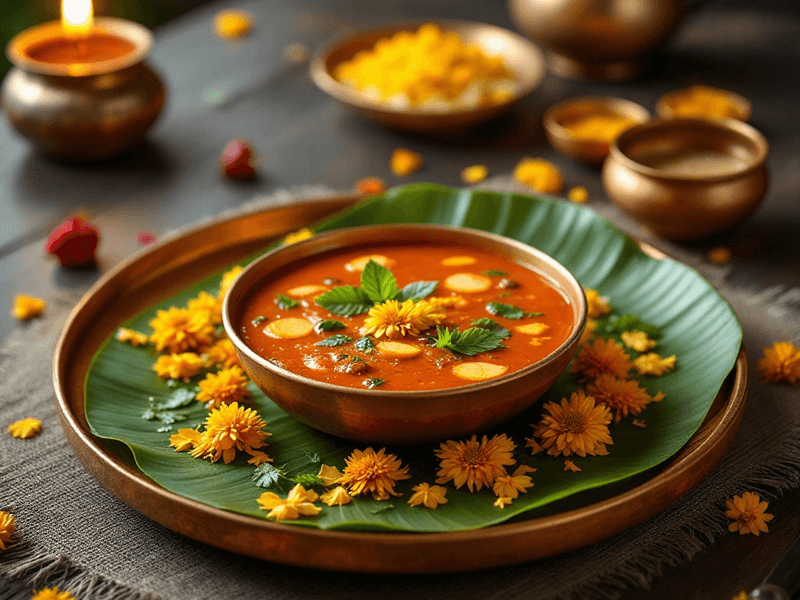
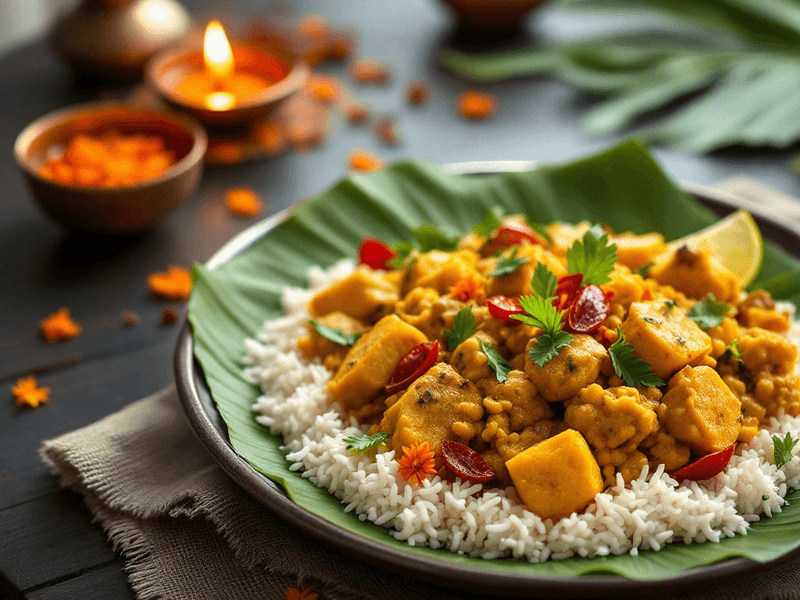
Kerala Lunch, fondly known as 'Oonu' in Malayalam, is a wholesome and vibrant vegetarian meal from South India. Characterized by its use of coconut, curry leaves, and an array of local vegetables, this meal represents the heart of Kerala cuisine. A typical Kerala Lunch consists of red rice (matta rice), sambar (a tangy lentil stew), thoran (stir-fried vegetables with coconut), avial (mixed vegetables in coconut-yogurt gravy), and papadam (crispy lentil wafers), all served on a banana leaf for an authentic touch. The flavors are a delightful medley of spicy, tangy, and mildly sweet, making every bite a sensory delight. This meal is deeply rooted in Kerala’s rich agricultural landscape, utilizing fresh, local produce and aromatic spices. Traditionally enjoyed during festivals like Onam and Vishu, Kerala Lunch is not just food but a celebration of culture and togetherness. Its balanced combination of grains, lentils, and vegetables makes it a nourishing choice for anyone seeking a healthy and authentic Indian lunch. Perfect for those looking to experience the true flavors of South Indian cuisine while keeping an eye on nutrition.
Ingredients(for 1 meal (matta rice with sambar, thoran, avial, papadam))
- 1 cup Kerala red rice (matta rice) (chemba rice)
- 1/2 cup Toor dal (arhar dal) (for sambar)
- 2 cups Mixed vegetables (carrot, beans, yam, ash gourd)
- 1 cup Fresh grated coconut (for thoran and avial)
- 2 sprigs Curry leaves (kariveppila)
- 2 Green chillies (chopped)
- 2 tbsp Coconut oil (preferred for authentic flavor)
- 1/2 cup Yogurt (curd) (for avial)
- 1 tsp Mustard seeds (rai)
- 2 Papadams (fried or roasted)
- 1 tbsp Sambar powder (homemade or store-bought)
- 1/2 tsp Turmeric powder (haldi)
- to taste Salt
Instructions
- 1
Wash and cook the matta rice in plenty of water until soft but not mushy. Drain excess water if needed.
15 minutes
Soak rice for 15 minutes before cooking for faster results.
- 2
Prepare sambar: Pressure cook toor dal with turmeric and salt. In a pan, add mixed vegetables, sambar powder, and little water. Cook until veggies are soft, then add cooked dal. Temper with mustard seeds and curry leaves in coconut oil.
15 minutes
Add a dash of hing (asafoetida) for extra flavor.
- 3
Make thoran: Finely chop one cup of mixed vegetables (like cabbage or beans). Sauté with green chillies and curry leaves in coconut oil. Add salt and turmeric. Stir in grated coconut and cook till veggies are tender.
7 minutes
Cover the pan for quick cooking and less oil usage.
- 4
Prepare avial: Cut mixed vegetables into strips. Cook with turmeric, salt, and minimal water. Add coconut-chilli paste and yogurt, simmer for 2 minutes. Finish with coconut oil and curry leaves.
10 minutes
Do not overcook vegetables for best texture.
Why This Dish is Healthy
This Kerala Lunch is packed with wholesome ingredients, making it an excellent choice for a healthy Indian lunch. The inclusion of legumes, whole grains, and seasonal vegetables ensures a good balance of macro and micronutrients. Cooking methods like steaming and sautéing reduce unhealthy fat intake, while the use of coconut oil in moderation benefits heart health and adds authentic flavor. Naturally gluten-free (except papadam), it’s ideal for those seeking nutritious, traditional meals.
Kerala Lunch is a balanced meal rich in fiber, plant protein, and essential micronutrients. Matta rice offers complex carbohydrates and B vitamins, while dal provides protein and iron. The variety of vegetables contribute vitamins A and C, antioxidants, and dietary fiber. Coconut adds healthy fats, supporting heart health and energy. Minimal oil usage and steamed or sautéed preparations keep the fat content moderate, making it suitable for calorie-conscious diets.
Pro Tips
- 💡Tip 1: Use fresh coconut for best flavor and nutrition.
- 💡Tip 2: Always temper mustard seeds in coconut oil for an authentic aroma.
- 💡Tip 3: Serve on banana leaves for tradition and added antioxidants.
Storage & Serving
Store leftovers in airtight containers in the refrigerator for up to 2 days. Reheat rice and curries separately. Papadams are best consumed fresh, but can be stored in an airtight box.
Best served: Lunch
Nutrition Facts
| Nutrient | Per 100g |
|---|---|
| Energy | 750.0 kcal |
| Protein | 3.0 g |
| Carbohydrates | 23.0 g |
| Total Fat | 3.0 g |
| Fiber | 2.0 g |