Kerala Fish Curry
Lunch • India
How to Make Kerala Fish Curry (Traditional & Healthy Version)
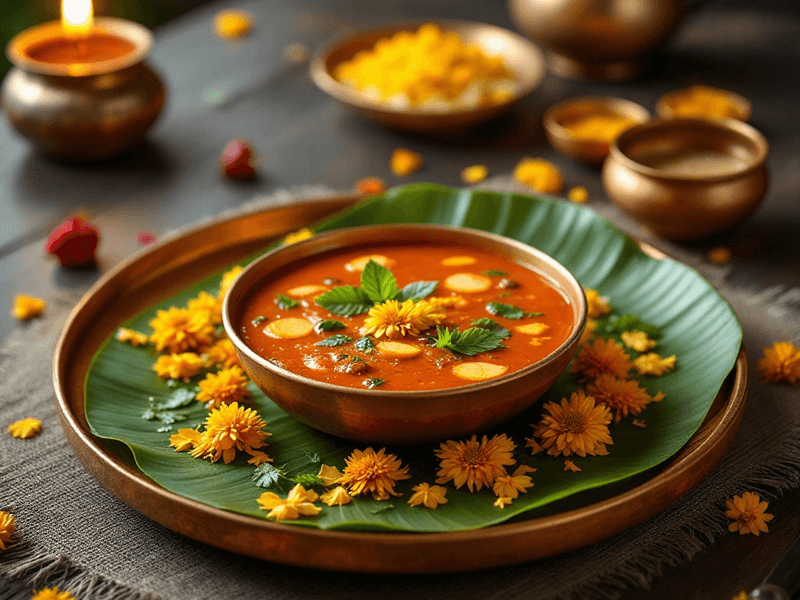
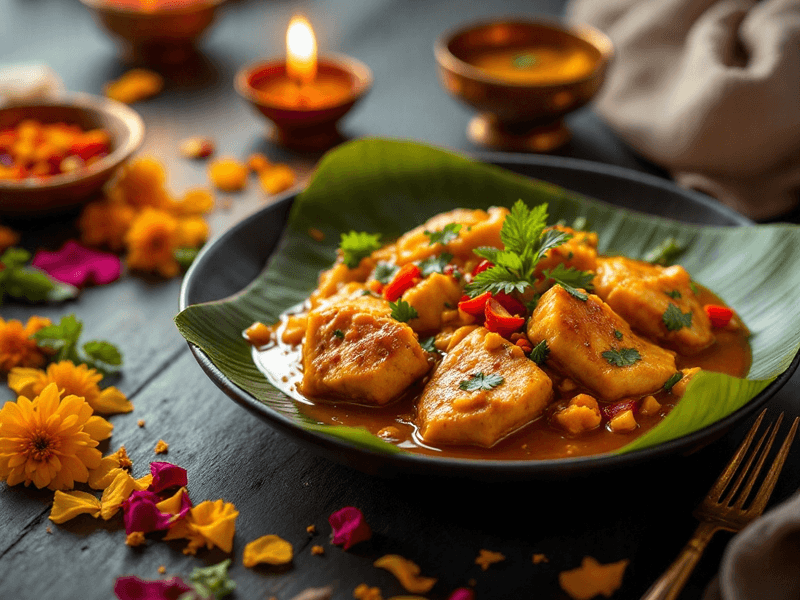
Kerala Fish Curry, locally known as 'Meen Curry', is a celebrated dish from Kerala, South India, renowned for its vibrant flavors and aromatic spices. This curry is a staple in many Malayali households and is often enjoyed during lunch, especially in coastal regions where fresh fish is easily available. The recipe uses coconut milk, tamarind (kudampuli), and local spices, creating a unique blend of tangy, spicy, and creamy flavors. Traditionally cooked in a clay pot (manchatti), Kerala Fish Curry brings together the essence of Kerala’s rich culinary heritage, making it a favorite during Onam and Vishu festivals. The curry is typically paired with steamed rice, making it a wholesome and satisfying meal. Kerala is famous for its seafood, and Meen Curry holds a special place in local cuisine, representing the harmony between nature and food. The use of coconut oil and curry leaves (karuveppilai) adds authenticity and enhances the aroma. While the classic recipe is robust and spicy, it can easily be adapted for those seeking a lighter, healthier meal. Kerala Fish Curry is a great option for calorie-conscious eaters, as it offers lean protein without excess fat, and its ingredients are rich in antioxidants and essential nutrients. This dish is perfect for anyone looking to experience authentic Indian coastal flavors in a health-conscious way.
Ingredients(for 1 medium bowl per person (with steamed rice))
- 250 grams Fish fillets (fresh, preferably seer or pomfret) (Meen)
- 2 tablespoons Coconut oil (Nariyal tel)
- 1 medium, finely sliced Onion (Pyaz)
- 1 medium, chopped Tomato (Tamatar)
- 2, slit Green chilies (Hari mirch)
- 1 inch piece, finely chopped Ginger (Adrak)
- 3, crushed Garlic cloves (Lahsun)
- 1 small piece, soaked Tamarind (Kudampuli) (Malabar tamarind)
- 10-12 Curry leaves (Karuveppilai)
- 1 teaspoon Red chili powder (Lal mirch)
- 1/2 teaspoon Turmeric powder (Haldi)
- 1 teaspoon Coriander powder (Dhaniya powder)
- 1/2 cup Coconut milk (light) (Nariyal doodh)
- to taste Salt (Namak)
Instructions
- 1
Wash fish fillets thoroughly. Soak the Malabar tamarind (kudampuli) in half a cup of warm water for 10 minutes.
5 minutes
Use fresh fish for best flavor and nutrition.
- 2
Heat coconut oil in a manchatti (clay pot) or kadhai. Add sliced onions, ginger, garlic, and green chilies. Sauté till onions turn translucent.
4 minutes
Clay pot gives authentic Kerala aroma.
- 3
Add chopped tomatoes and curry leaves. Cook until tomatoes soften and oil separates.
3 minutes
Stir occasionally to avoid burning.
- 4
Mix in red chili powder, turmeric, coriander powder, and salt. Sauté for a minute until spices release their aroma.
2 minutes
Adjust chili powder for desired spice level.
Why This Dish is Healthy
This dish is a healthy choice because it uses minimal oil, lean fish, and nutrient-rich spices. The absence of heavy cream and the use of light coconut milk keep the calorie count low. The combination of protein, good fats, and antioxidants supports weight management, heart health, and overall wellness. Kerala Fish Curry fits well into balanced Indian diets and is suitable for calorie-conscious eaters.
Kerala Fish Curry is packed with lean protein from fish, healthy fats from coconut oil, and antioxidants from spices like turmeric and coriander. Fish is a rich source of omega-3 fatty acids, vitamin D, and essential minerals such as selenium and phosphorus. The use of coconut milk provides medium-chain triglycerides, which support metabolism. Curry leaves add fiber and iron, making this a highly nutritious meal for lunch.
Pro Tips
- 💡Tip 1: Always use fresh fish for best flavor and nutrition.
- 💡Tip 2: Cooking in a manchatti (clay pot) enhances taste and aroma.
- 💡Tip 3: Add coconut milk at the end to keep the curry creamy and prevent curdling.
Storage & Serving
Store leftover curry in an airtight container in the refrigerator for up to 2 days. Reheat gently on the stove; avoid boiling after adding coconut milk.
Best served: Lunch
Nutrition Facts
| Nutrient | Per 100g |
|---|---|
| Energy | 180.0 kcal |
| Protein | 10.0 g |
| Carbohydrates | 6.0 g |
| Total Fat | 6.0 g |
| Fiber | 1.0 g |