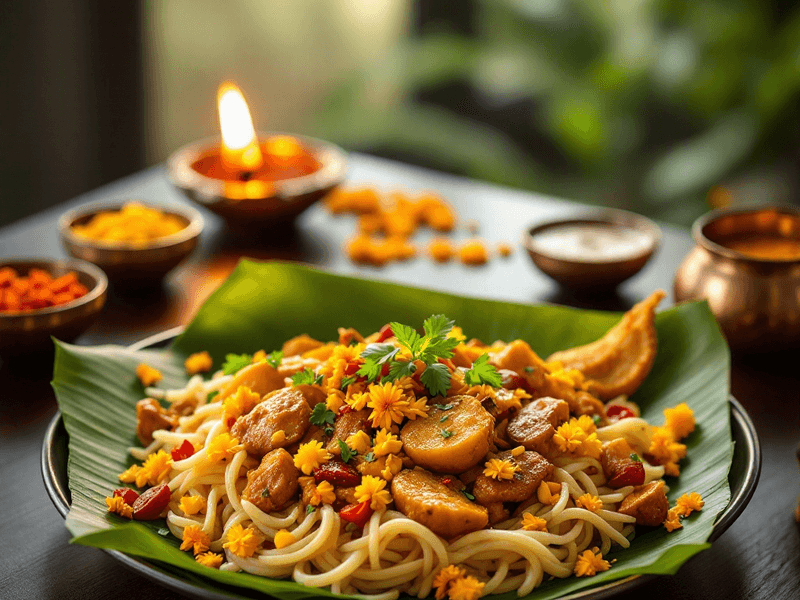
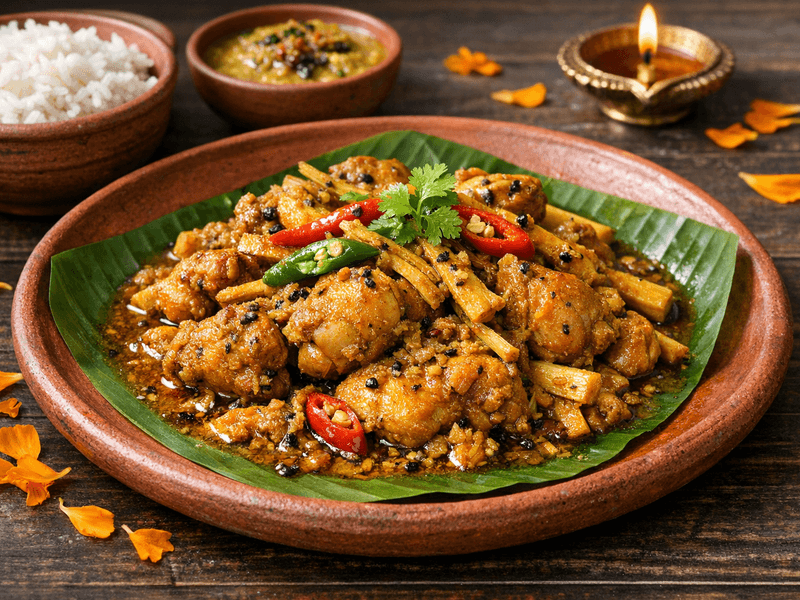
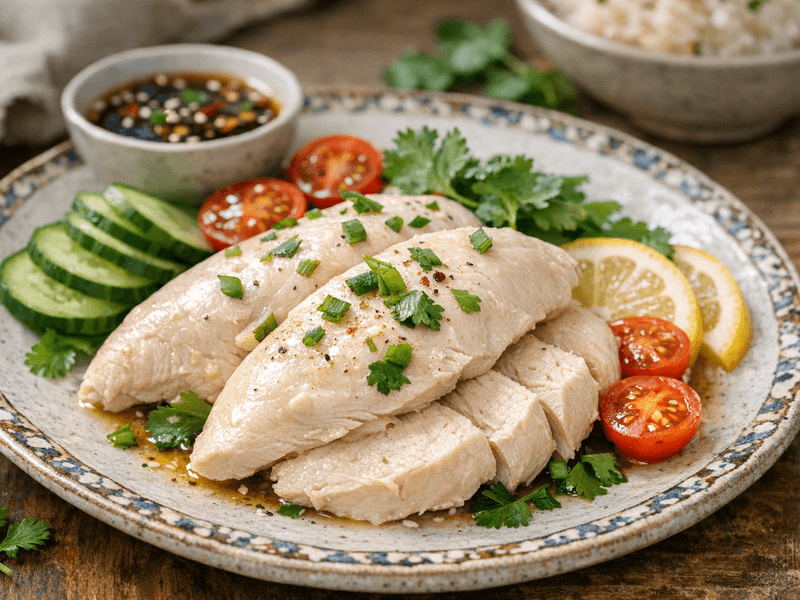
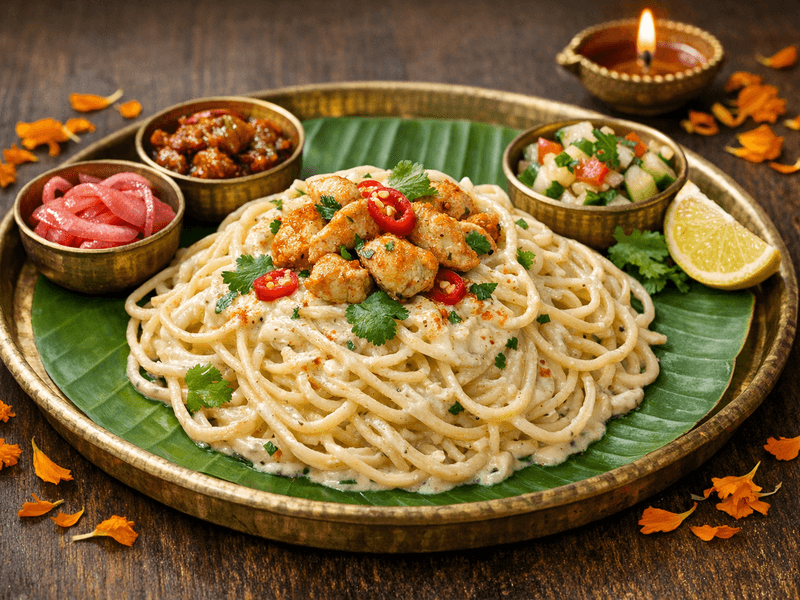
📸 Image coming soon for Kelidh
Kelidh
Lunch • India
How to Make Kelidh (Traditional & Healthy Version)
Kelidh is a time-honored vegetarian dish that finds its roots in the heart of Indian cuisine. With its comforting, wholesome flavors and nourishing ingredients, Kelidh brings together the essence of home-cooked Indian food. Traditionally enjoyed during lunch, this dish is known for its subtle spices and satisfying texture, making it a staple in many Indian households. The word 'Kelidh' is believed to have originated from local dialects referring to a hearty, curry-based preparation, often enjoyed with steamed rice or chapati (roti). The taste of Kelidh balances earthy lentils with fresh seasonal vegetables, lightly tempered with cumin (jeera), mustard seeds (rai), curry leaves (kadipatta), and a hint of turmeric (haldi). Its gentle aroma and soothing flavors make it ideal for both festive occasions and everyday meals. In many regions, Kelidh is prepared as a sattvic dish, meaning it avoids onion and garlic, aligning with Ayurvedic principles and making it suitable for religious festivals and fasting days. Its simplicity, adaptability, and nutritious nature make Kelidh a beloved lunch option across India.
Ingredients(for 1 bowl (approximately 200 ml))
- 1/2 cup Moong dal (split yellow lentils) (मूंग दाल, soaked for 30 minutes)
- 1 medium Carrot (grated)
- 1/2 cup Bottle gourd (lauki) (peeled and diced)
- 1/2 cup Spinach (palak) (finely chopped)
- 1 medium Tomato (finely chopped)
- 1/2 tsp Cumin seeds (jeera)
- 1/2 tsp Mustard seeds (rai)
- 6-8 Curry leaves (kadipatta)
- 1/4 tsp Turmeric powder (haldi)
- a pinch Asafoetida (hing)
- 1 Green chilli (slit (optional for spice)) - optional
- to taste Salt
- 1 tsp Oil (preferably cold-pressed mustard or groundnut)
- 2 tbsp Fresh coriander (dhaniya) (chopped, for garnish) - optional
Instructions
- 1
Rinse the moong dal thoroughly and soak it in water for at least 30 minutes. Drain and set aside.
5 minutes
Soaking moong dal helps reduce cooking time and improves digestibility.
- 2
In a pressure cooker, add soaked moong dal, diced bottle gourd, grated carrot, and chopped spinach. Pour in 2 cups of water, add turmeric powder and salt. Pressure cook for 2 whistles or until the dal is soft.
10 minutes
Do not overcook; the vegetables should retain some texture.
- 3
Allow the pressure to release naturally. Gently mash the dal and vegetables using the back of a ladle to blend flavors.
2 minutes
Mashing lightly gives the dal a creamy consistency without losing vegetable bits.
- 4
Heat oil in a small tadka pan. Add cumin seeds, mustard seeds, and let them splutter. Add hing, curry leaves, and green chilli (if using). Sauté briefly.
3 minutes
Prepare tadka on low flame to avoid burning the spices.
Why This Dish is Healthy
This healthy Kelidh recipe uses nutrient-rich dal and fresh vegetables, making it an excellent low-fat, high-fiber meal. It's ideal for weight management and supports heart health due to its low saturated fat content. By using traditional Indian tempering (tadka) with minimal oil and skipping heavy ingredients, the recipe remains light yet flavorful. Its balanced combination of protein, complex carbohydrates, and essential micronutrients makes Kelidh a wholesome choice for a nutritious lunch.
Kelidh is packed with plant-based protein from moong dal, making it a great source of energy and satiety. The inclusion of vegetables such as carrot, bottle gourd, and spinach provides dietary fiber, vitamins A, C, and K, iron, and antioxidants that support immunity and digestive health. The use of minimal oil and absence of cream or heavy fats keeps the calorie count in check, while spices like turmeric and cumin offer anti-inflammatory and digestive benefits. This dish is naturally gluten-free and can be adapted for vegan diets.
Pro Tips
- 💡Tip 1: Use a mix of seasonal vegetables for added nutrition and flavor.
- 💡Tip 2: For a creamier texture, blend half the cooked dal before adding tadka.
- 💡Tip 3: Garnish with lemon juice for extra freshness and vitamin C.
Storage & Serving
Store leftover Kelidh in an airtight container in the refrigerator for up to 2 days. Reheat gently on the stove, adding a splash of water if needed to restore consistency.
Best served: Breakfast or Lunch
Nutrition Facts
| Nutrient | Per 100g |
|---|---|
| Energy | 250.0 kcal |