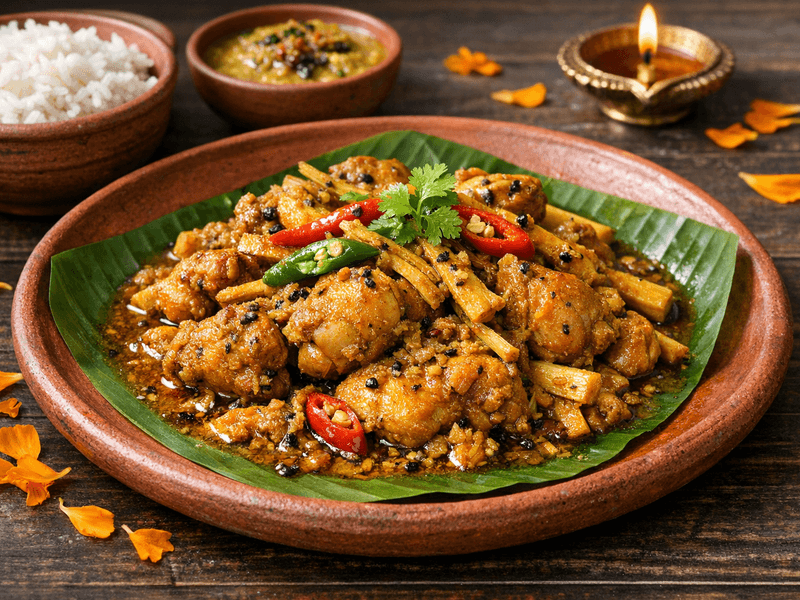
📸 Image coming soon for Kathal Sabji and Half Mix Roti
Kathal Sabji and Half Mix Roti
Lunch • India
How to Make Kathal Sabji and Half Mix Roti (Traditional & Healthy Version)
Kathal Sabji, also known as jackfruit curry, is a beloved Indian vegetarian dish renowned for its meaty texture and rich spices. Often enjoyed in North Indian households, Kathal Sabji is a staple during the summer months when jackfruit is in season. Paired with Half Mix Roti—a combination of whole wheat (atta) and besan (gram flour)—this meal not only satisfies the palate but also provides wholesome nutrition. The sabji, cooked with aromatic masalas, is bursting with flavor and has regional variations from Uttar Pradesh to West Bengal, each imparting unique spice blends and cooking techniques. Kathal Sabji is traditionally served during special occasions and festivals such as Holi and weddings, where vegetarian feasts are preferred. Its hearty, fibrous texture makes it a popular meat substitute, especially among vegetarians. The Half Mix Roti adds a rustic, nutty flavor and boosts the protein content, making the meal health-conscious and ideal for calorie tracking. This combination is perfect for lunch, offering sustained energy and balanced macros. The recipe is simple, emphasizing minimal oil and natural ingredients for a guilt-free indulgence.
Ingredients(for 1 cup Kathal Sabji with 2 Half Mix Rotis)
- 250 grams Kathal (jackfruit) (peeled and chopped)
- 1 medium Onion (finely chopped)
- 1 medium Tomato (finely chopped)
- 1 teaspoon Ginger-Garlic paste (adrak-lahsun paste)
- 1 Green chili (finely chopped) - optional
- 1/2 teaspoon Turmeric powder (haldi)
- 1/2 teaspoon Red chili powder (lal mirch)
- 1 teaspoon Coriander powder (dhaniya powder)
- 1/2 teaspoon Garam masala
- 1 tablespoon Mustard oil (sarson ka tel)
- to taste Salt (namak)
- 1 cup Water
- 3/4 cup Whole wheat flour (atta)
- 1/4 cup Besan (gram flour)
- 1/2 teaspoon Ajwain (carom seeds) - optional
- 1 teaspoon Oil/ghee (for roti, optional) - optional
Instructions
- 1
Peel and chop kathal into bite-sized pieces. Parboil in salted water for 5 minutes to soften. Drain and set aside.
5 minutes
Rub oil on hands before handling kathal to avoid stickiness.
- 2
Heat sarson ka tel in a kadhai. Add chopped onions and sauté till golden brown. Add ginger-garlic paste and green chili; cook for 1 minute.
5 minutes
Use low flame to prevent burning spices.
- 3
Add chopped tomatoes. Cook till soft and oil separates. Mix in haldi, lal mirch, dhaniya powder, salt, and garam masala.
4 minutes
Mash tomatoes for a smoother sabji.
- 4
Add boiled kathal pieces. Stir well to coat with masala. Add 1 cup water, cover, and simmer for 8-10 minutes till kathal absorbs flavors.
10 minutes
Check kathal softness with a fork.
Why This Dish is Healthy
This dish is a great choice for calorie-conscious eaters, as kathal is low in calories and high in fiber, keeping you full longer. The mix of whole wheat and besan in roti increases protein and lowers the glycemic index, suitable for weight loss and diabetes. The recipe avoids heavy creams and excessive oils, making it lighter and nutrient-rich.
Kathal is rich in dietary fiber, vitamin C, potassium, and antioxidants, supporting digestive health and immunity. Atta and besan provide complex carbohydrates and plant-based protein, making the meal balanced. Minimal oil is used to keep fat in check, and spices like turmeric and coriander have anti-inflammatory properties. The meal is naturally low in cholesterol and supports heart health.
Pro Tips
- 💡Tip 1: Apply a little oil on hands when handling kathal to prevent stickiness.
- 💡Tip 2: Rest roti dough for a few minutes for softer rotis.
- 💡Tip 3: Use mustard oil for authentic flavor and health benefits.
Storage & Serving
Store kathal sabji in an airtight container in the refrigerator for up to 2 days. Reheat gently before serving. Rotis are best consumed fresh but can be stored in a cloth-lined box for up to 8 hours.
Best served: Lunch
Nutrition Facts
| Nutrient | Per 100g |
|---|---|
| Energy | 250.0 kcal |