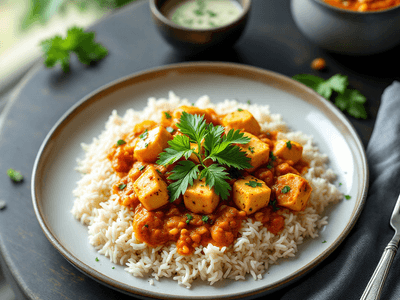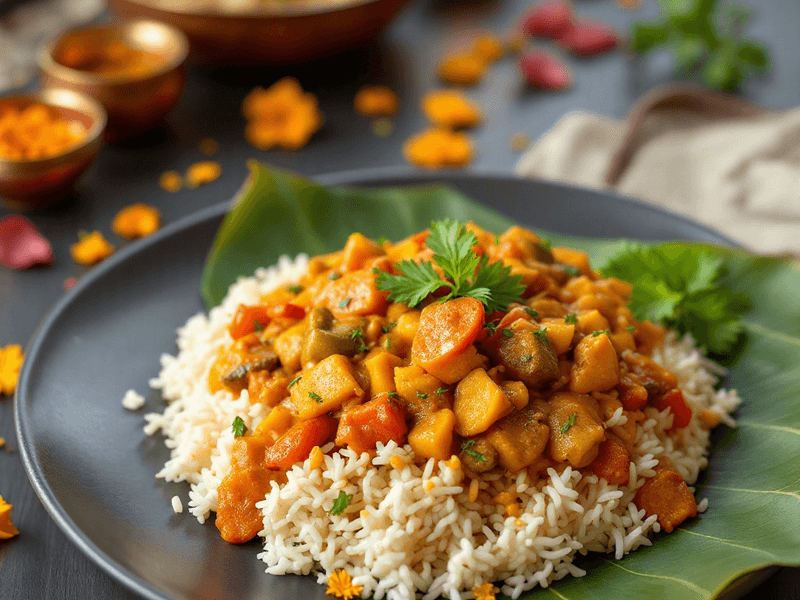
Jeera Rice with Vegetable Korma
Lunch • India
How to Make Jeera Rice with Vegetable Korma (Traditional & Healthy Version)
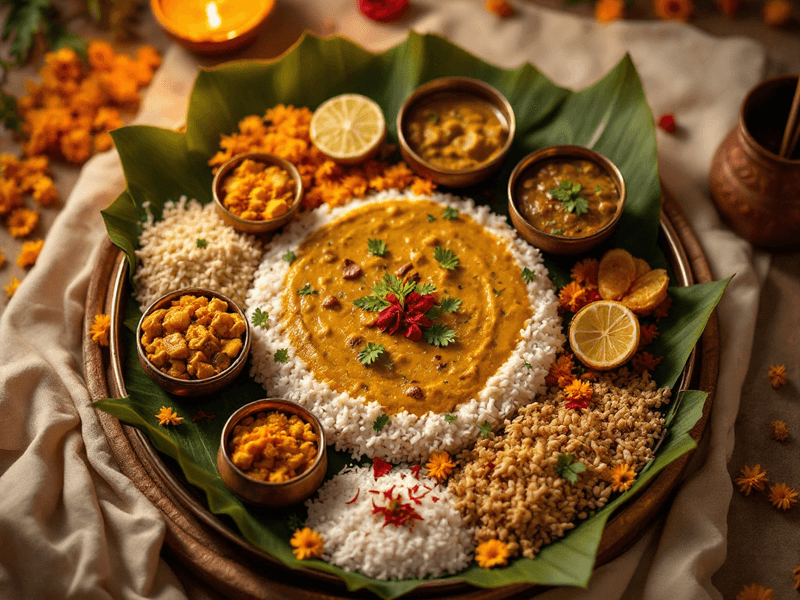
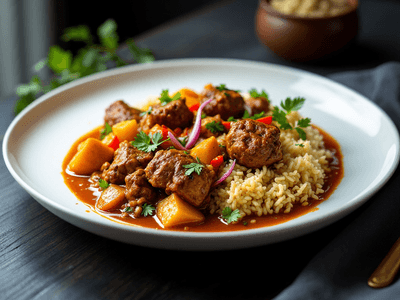
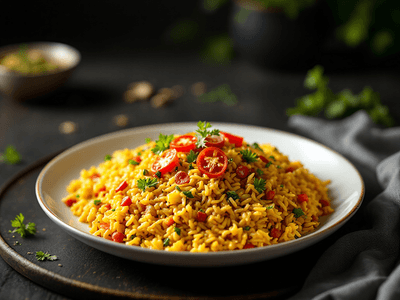
Jeera Rice with Vegetable Korma is a beloved North Indian lunch combo, celebrated for its aromatic flavors and wholesome ingredients. Jeera Rice, or cumin-flavored basmati chawal, is a staple in Indian homes, especially in Punjab and Uttar Pradesh. The simplicity of rice tempered with jeera in desi ghee or oil makes it light yet fragrant. Vegetable Korma, a rich sabzi curry packed with seasonal vegetables and mild spices, is often served during festivals like Diwali and Holi, as well as in everyday meals. This dish showcases the diversity of North Indian cuisine, blending textures and colors while offering a balance of protein, vitamins, and minerals from fresh produce. The taste of Jeera Rice is subtly spicy and nutty, complementing the creamy, mildly spiced korma. Vegetable Korma uses curd (dahi) and cashew paste for a luscious gravy, making it both light and hearty. This combination is ideal for a healthy, filling lunch and is commonly enjoyed at family gatherings, festive celebrations, and in dhaba-style meals across North India. The recipe is tailored for calorie-conscious individuals, using less oil and plenty of vegetables, making it a perfect choice for those tracking macros and seeking vegetarian options. Jeera Rice with Vegetable Korma is not just a meal but a celebration of Indian agriculture and culinary heritage. The ingredients are locally sourced, and the dish is adaptable for various dietary needs. It is suitable for vegans (with minor tweaks), diabetics, and those aiming for weight loss, making it a versatile and inclusive lunch classic.
Ingredients(for 1 medium plate Jeera Rice with 1 bowl Vegetable Korma)
- 1 cup Basmati rice (chawal)
- 1 tsp Cumin seeds (jeera)
- 1 tbsp Desi ghee or refined oil (for tempering)
- 1 tsp Salt (namak)
- 1/2 cup Carrot (finely chopped)
- 1/4 cup Beans (chopped)
- 1/4 cup Peas (matar)
- 1/4 cup Cauliflower (phool gobhi florets)
- 1 small Potato (aloo, diced)
- 1/4 cup Curd (dahi, whisked)
- 8-10 Cashew nuts (kaju, soaked and ground)
- 1 small Onion (finely chopped)
- 1 tsp Ginger-garlic paste (adrak-lahsun paste)
- 1 Green chili (hari mirch, chopped) - optional
- 1/2 tsp Turmeric powder (haldi)
- 1/2 tsp Garam masala (for flavor)
- 1 tsp Coriander powder (dhaniya powder)
- 1 tbsp Fresh coriander (hara dhaniya, chopped)
Instructions
- 1
Wash basmati rice thoroughly and soak for 10 minutes. Drain and set aside.
5 minutes
Soaking rice helps it cook evenly and stay fluffy.
- 2
In a heavy-bottomed patila or saucepan, heat 1/2 tbsp ghee or oil. Add jeera and let it crackle.
2 minutes
Use desi ghee for authentic flavor and aroma.
- 3
Add drained rice, sauté for a minute. Pour 2 cups water and salt. Cover and cook on low flame until rice is done.
12 minutes
Do not stir rice too much to prevent breaking grains.
- 4
For korma, heat remaining ghee/oil in a kadhai. Add chopped onion, sauté till golden. Stir in ginger-garlic paste, green chili, and all vegetables. Sauté for 3-4 minutes.
5 minutes
Chop veggies evenly for uniform cooking.
Why This Dish is Healthy
This recipe is a healthy choice for lunch as it combines whole grains, low-fat dairy, and a spectrum of colorful vegetables. The spices used, such as jeera and haldi, have anti-inflammatory properties. By limiting oil and incorporating natural yogurt and nuts, the dish supports weight management, muscle recovery, and gut health. It’s suitable for people looking for balanced meals without excess calories, ideal for calorie tracking and healthy eating.
Jeera Rice with Vegetable Korma is rich in complex carbohydrates from basmati chawal, offering sustained energy. The variety of vegetables supplies dietary fiber, vitamins A and C, potassium, and antioxidants. Curd (dahi) adds probiotics for digestive health, while cashews bring healthy fats and magnesium. This dish is protein-rich due to peas and beans, ideal for vegetarian diets. Using minimal ghee or oil keeps saturated fat low, making it heart-friendly. The absence of refined flour and artificial additives enhances nutritional value.
Pro Tips
- 💡Tip 1: Soak rice for fluffier, non-sticky grains.
- 💡Tip 2: Use fresh dahi for creamier korma without splitting.
- 💡Tip 3: Add a pinch of kasuri methi for extra aroma in korma.
Storage & Serving
Store Jeera Rice and Vegetable Korma separately in airtight containers in the refrigerator for up to 2 days. Reheat gently on tawa or microwave, adding a splash of water to retain moisture.
Best served: Lunch
Nutrition Facts
| Nutrient | Per 100g |
|---|---|
| Energy | 380.0 kcal |