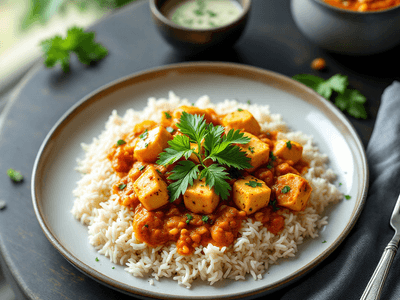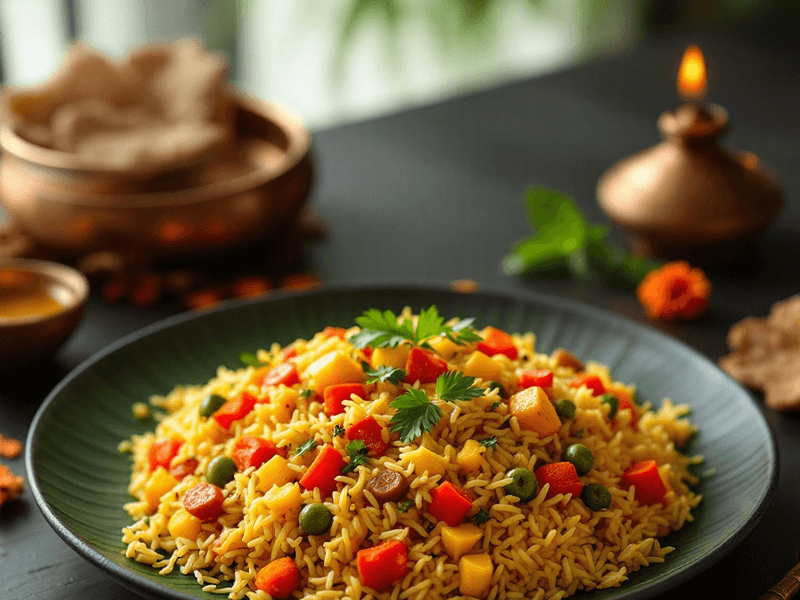
Jeera Rice with Mixed Vegetable Curry
Lunch • India
How to Make Jeera Rice with Mixed Vegetable Curry (Traditional & Healthy Version)
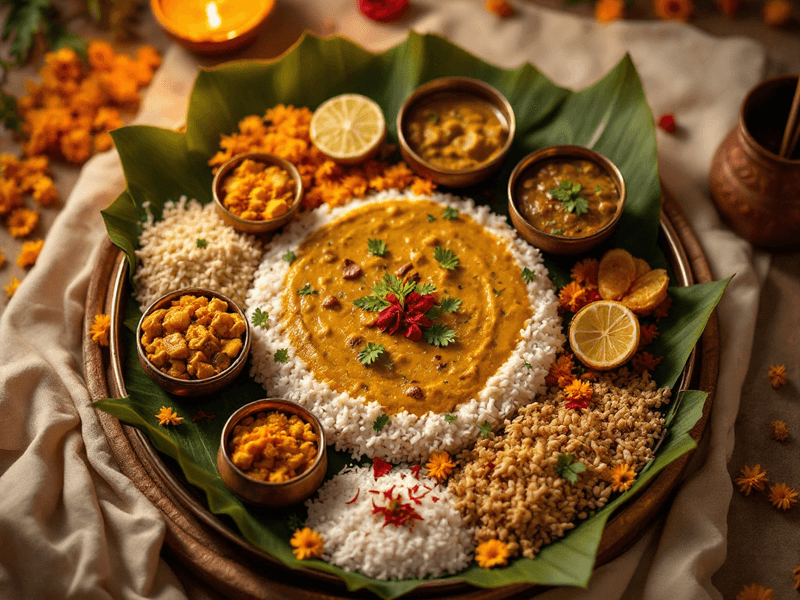
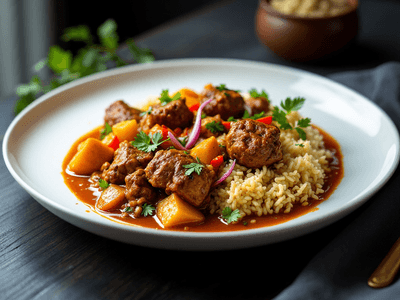
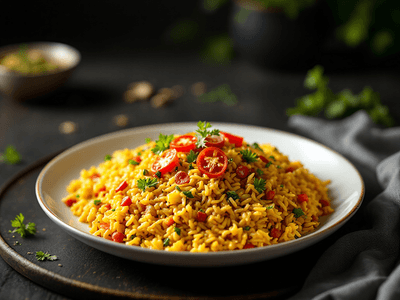
Jeera Rice with Mixed Vegetable Curry is a quintessential North Indian lunch, cherished for its aromatic flavors and vibrant colors. Jeera Rice, or cumin-flavored rice, is a staple in many Indian homes and restaurants, often served during festivals like Diwali or Holi for its fragrant simplicity. The mixed vegetable curry, packed with seasonal sabzi, is a testament to India's love for hearty, wholesome meals. Together, this combination provides a balanced plate that satisfies both palate and nutrition needs. Originating from Punjab and Uttar Pradesh, Jeera Rice is often made on a tawa or in a handi, letting the jeera (cumin) infuse the long-grained basmati rice with earthy notes. The vegetable curry, made with a medley of locally grown veggies such as aloo (potato), gajar (carrot), matar (peas), and gobhi (cauliflower), is simmered in a mild yet flavorful gravy. This duo is a great choice for those seeking a health-conscious Indian meal, especially during lunchtime when energy and nutrition are crucial. The dish is naturally vegetarian, easily adaptable for vegan diets, and suitable for families celebrating together. The taste is comforting, the ingredients are accessible, and the recipe aligns with Indian culinary traditions. Whether it's a festive gathering or a routine lunch, Jeera Rice with Mixed Vegetable Curry brings warmth and nourishment to every meal, making it a beloved choice across North India.
Ingredients(for 1 medium-sized plate per person)
- 1 cup Basmati rice (preferred for Jeera Rice)
- 1 tsp Jeera (cumin seeds) (for tempering)
- 1 tbsp Ghee or refined oil (ghee preferred for authentic flavor)
- 1.5 cups Mixed vegetables (aloo, gajar, matar, gobhi, beans) (chopped)
- 1 medium Onion (finely chopped)
- 1 medium Tomato (chopped)
- 1 tsp Ginger-garlic paste (optional for flavor) - optional
- 1 Green chili (slit, adjust to taste) - optional
- 1/2 tsp Turmeric powder (haldi)
- 1/2 tsp Red chili powder (mirch)
- 1 tsp Coriander powder (dhaniya powder)
- to taste Salt
- 2 tbsp Fresh coriander leaves (chopped, for garnish) - optional
- 2.5 cups Water (for cooking rice and curry)
Instructions
- 1
Rinse basmati rice thoroughly and soak for 10 minutes. Drain excess water.
10 minutes
Soaking ensures fluffier rice and reduces cooking time.
- 2
Heat ghee or oil in a handi or kadhai. Add jeera (cumin seeds) and let them splutter.
2 minutes
Do not burn the jeera; it releases flavor quickly.
- 3
Add soaked rice and sauté gently for a minute. Pour in 2 cups water, season with salt, and cook covered on low heat till rice is done.
12 minutes
Avoid stirring rice too much for separate grains.
- 4
For curry, heat oil/ghee in a separate pan. Add onions and sauté till golden. Add ginger-garlic paste and green chili, cook for a minute.
5 minutes
For a milder flavor, skip green chili.
Why This Dish is Healthy
This dish is health-friendly due to its reliance on whole grains, fresh seasonal vegetables, and minimal oil. It avoids deep frying and heavy cream, keeping calorie count moderate. Mixed Vegetable Curry is fiber-rich, which helps in satiety and digestive health, while Jeera Rice offers low GI energy. Together, they provide essential nutrients, making the meal perfect for weight management and diabetic-friendly meal plans.
Jeera Rice with Mixed Vegetable Curry is rich in complex carbohydrates from basmati rice, providing sustained energy. The mixed vegetables supply dietary fiber, vitamins A and C, potassium, and antioxidants. Ghee adds healthy fats in moderation, while cumin aids digestion. The dish is balanced for protein, carbs, and micronutrients, supporting immunity and metabolic health. It’s low in saturated fat and free from processed ingredients, making it suitable for daily consumption.
Pro Tips
- 💡Tip 1: Use aged basmati rice for the best aroma and grain separation.
- 💡Tip 2: Add a bay leaf (tej patta) to rice for extra fragrance.
- 💡Tip 3: Use fresh, seasonal vegetables for maximum taste and nutrition.
Storage & Serving
Store leftover rice and curry separately in airtight containers in the refrigerator for up to 2 days. Reheat gently on tawa or in microwave before serving.
Best served: Lunch
Nutrition Facts
| Nutrient | Per 100g |
|---|---|
| Energy | 330.0 kcal |