Japanese Curry Rice
Lunch • India
How to Make Japanese Curry Rice (Traditional & Healthy Version)
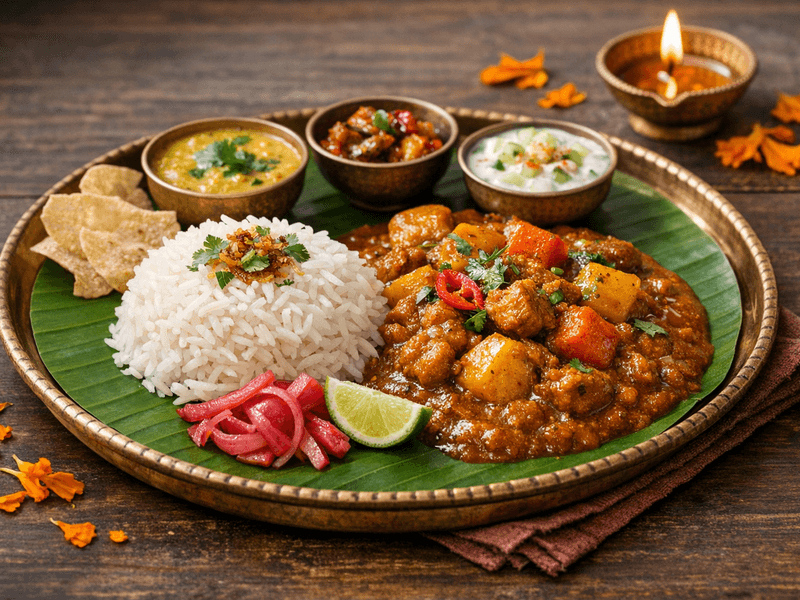
Japanese Curry Rice, while originating in Japan, has found a unique place in India’s culinary landscape, especially among vegetarians seeking global flavors with an Indian touch. The dish features mildly spiced curry, packed with hearty vegetables, served over steamed rice. In India, it’s commonly adapted with locally available vegetables like aloo (potatoes), gajar (carrots), and matar (peas), making it both familiar and comforting. The aromatic blend of spices, including haldi (turmeric) and garam masala, brings a flavorful Indian twist to the classic Japanese curry. The mild, slightly sweet taste appeals to all age groups and is perfect for lunch, especially during winter months or as a festive treat at gatherings. Japanese Curry Rice is a nutritious, filling option for those tracking calories and looking for wholesome meals. Its balanced macros make it ideal for health-conscious individuals, and it can be easily adapted for different dietary needs. Whether you’re celebrating Diwali with a fusion lunch or just craving something different, this recipe offers a delightful blend of flavors and textures that bridges cultures, using familiar Indian ingredients and cooking methods.
Ingredients(for 1 bowl (approx. 250g cooked curry with 1 cup rice))
- 1 cup Basmati rice (चावल)
- 1 medium Potatoes (आलू, diced)
- 1 medium Carrots (गाजर, sliced)
- 1/2 cup Green peas (मटर, fresh or frozen)
- 1 small Onion (प्याज, finely chopped)
- 2 cloves Garlic (लहसुन, minced)
- 1 inch Ginger (अदरक, grated)
- 1 tbsp Atta (whole wheat flour) (आटा, for curry roux)
- 1 tbsp Vegetable oil (तिल या सूरजमुखी तेल)
- 1/2 tsp Haldi (turmeric) (हल्दी)
- 1/2 tsp Garam masala (गरम मसाला)
- 1/4 tsp Black pepper (काली मिर्च)
- to taste Salt (नमक)
- 2 cups Water (पानी, for curry)
Instructions
- 1
Rinse basmati rice thoroughly and soak for 10 minutes. Cook rice in a pressure cooker or on a tawa until soft and fluffy.
15 minutes
Use minimal water to retain nutrients and avoid mushy rice.
- 2
Heat vegetable oil in a kadhai. Add chopped onion and sauté until translucent.
3 minutes
Keep flame medium to avoid burning onions.
- 3
Add minced garlic and grated ginger. Sauté for 1 minute until fragrant.
1 minute
Fresh ginger and garlic boost flavor and nutrition.
- 4
Add diced potatoes, carrots, and green peas. Stir well and cook for 2 minutes.
2 minutes
Cut vegetables evenly for uniform cooking.
Why This Dish is Healthy
This recipe is a healthy lunch option due to its use of whole, plant-based ingredients and minimal oil. The addition of whole wheat flour for thickening increases fiber content, supporting digestive health. Using Indian spices like haldi and garam masala not only enhances flavor but also provides anti-inflammatory benefits. The dish is easily adaptable for weight loss, diabetes, and vegan diets, making it a smart choice for anyone seeking nutritious, calorie-conscious Indian meals.
Japanese Curry Rice is rich in vitamins A and C from carrots and peas, potassium from potatoes, and dietary fiber from atta and vegetables. Basmati rice offers slow-releasing carbohydrates, keeping you full for longer. The use of minimal oil and whole wheat flour reduces saturated fat, while ginger and garlic add antioxidants and boost immunity. This vegetarian dish provides a balanced profile of carbs, protein from peas, and essential minerals, making it suitable for those tracking calories and macros.
Pro Tips
- 💡Tip 1: Use freshly ground garam masala for enhanced aroma.
- 💡Tip 2: Add a squeeze of lemon before serving for freshness.
- 💡Tip 3: Cook rice al dente to prevent it from becoming sticky.
Storage & Serving
Store leftover curry in an airtight container in the refrigerator for up to 2 days. Reheat gently on a tawa or in a microwave. Rice should be stored separately to prevent sogginess.
Best served: Lunch
Nutrition Facts
| Nutrient | Per 100g |
|---|---|
| Energy | 550.0 kcal |
| Protein | 2.0 g |
| Carbohydrates | 24.0 g |
| Total Fat | 3.0 g |
| Fiber | 2.0 g |