Jain Vegetable Biryani
Lunch • India
How to Make Jain Vegetable Biryani (Traditional & Healthy Version)
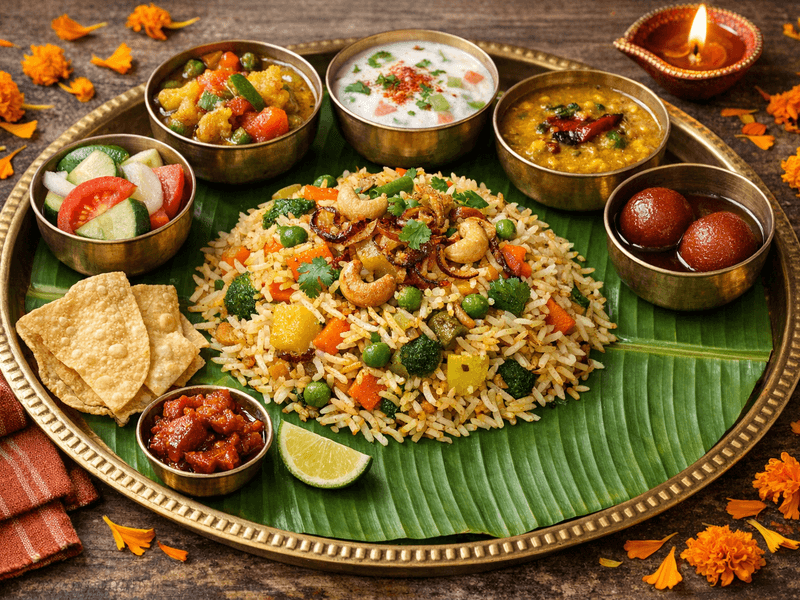
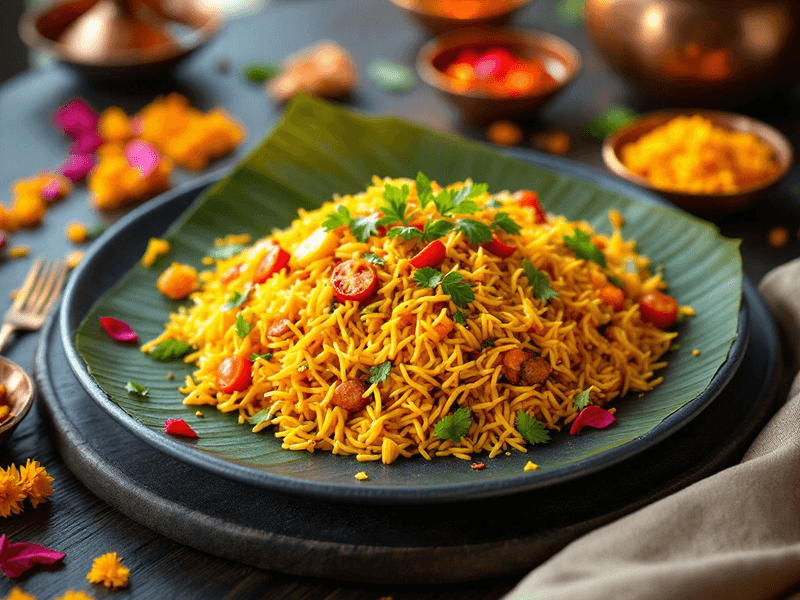
Jain Vegetable Biryani is a delightful and aromatic rice dish that holds a special place in Indian vegetarian cuisine. Unlike regular biryanis, the Jain version strictly avoids root vegetables like onions, garlic, and potatoes, adhering to Jain dietary principles that emphasize non-violence and purity. This makes it a popular choice across India, especially among those observing Jain traditions during festivals or special occasions. This biryani is known for its vibrant colors, subtle spices, and the delicate balance of flavors created by layering fragrant basmati rice with fresh, seasonal vegetables and whole spices. The use of ingredients like peas, capsicum, beans, and tomatoes ensures a rich medley of textures and nutrients while the absence of onion and garlic makes the flavor profile gentle yet satisfying. Jain Vegetable Biryani is not only a festive dish but also a wholesome and healthy lunch option, perfect for family gatherings, religious celebrations like Paryushan, or any day when you crave a light yet hearty meal. Its health-conscious preparation ensures you get all the essential nutrients without extra calories, making it ideal for calorie tracking and those seeking a balanced Indian lunch.
Ingredients(for 1 medium bowl (approx. 200g))
- 1 cup Basmati rice (chawal)
- 1 cup Mixed vegetables (carrot, peas, beans, capsicum) (finely chopped)
- 1 medium Tomato (tamatar, finely chopped)
- 1 Green chilli (hari mirch, slit) - optional
- 1/2 inch Ginger (adrak, grated)
- 1 tsp Cumin seeds (jeera)
- 1/2 tsp Whole spices (cloves, cardamom, bay leaf, cinnamon) (sabut masale)
- 2 tbsp Fresh coriander leaves (hara dhaniya, chopped)
- 2 tbsp Mint leaves (pudina, chopped)
- 2 tbsp Curd (dahi) (use thick curd, skip for vegan) - optional
- 1/4 tsp Turmeric powder (haldi)
- 1/4 tsp Red chilli powder (lal mirch) - optional
- to taste Salt (namak)
- 1 tbsp Oil or ghee (use oil for vegan)
Instructions
- 1
Rinse basmati rice thoroughly in water until the water runs clear. Soak for 15 minutes, then drain.
15 minutes
Soaking rice ensures long grains and even cooking.
- 2
Heat oil or ghee in a heavy-bottomed handi or kadhai. Add cumin seeds and whole spices. Sauté for 1 minute until aromatic.
2 minutes
Use a thick-bottom vessel to avoid burning the spices.
- 3
Add grated ginger and green chilli. Sauté briefly, then add chopped tomatoes. Cook until soft and pulpy.
3 minutes
Cook tomatoes on medium flame to avoid sticking.
- 4
Add mixed vegetables, turmeric powder, red chilli powder, and salt. Sauté for 2-3 minutes. If using curd, mix it in now and cook for another minute.
4 minutes
Do not overcook vegetables; they should retain their crunch.
Why This Dish is Healthy
This biryani is a smart choice for lunch as it uses fresh, nutrient-dense vegetables and avoids heavy cream or fried ingredients. The absence of onion and garlic makes it easy on the stomach, suitable for those following a sattvic diet. It is low in saturated fat and can easily fit into a calorie-controlled meal plan, making it perfect for weight watchers and those looking to maintain energy levels without feeling sluggish.
Jain Vegetable Biryani is rich in complex carbohydrates from basmati rice, fiber, and a variety of vitamins and minerals from seasonal vegetables. The use of minimal oil and the absence of deep-fried elements make it heart-healthy and light. Ginger and spices aid digestion, while fresh herbs add antioxidants. This dish provides balanced macros and can be adapted further for specific dietary needs.
Pro Tips
- 💡Use aged basmati rice for the best aroma and fluffy texture.
- 💡Add a few saffron strands soaked in warm milk for an extra touch of luxury.
- 💡Layer vegetables and rice without over-mixing to maintain the biryani's texture.
Storage & Serving
Store leftover biryani in an airtight container in the refrigerator for up to 2 days. Reheat in a steamer or microwave, sprinkling a little water to restore moisture.
Best served: Breakfast or Lunch
Nutrition Facts
| Nutrient | Per 100g |
|---|---|
| Energy | 320.0 kcal |
| Protein | 3.0 g |
| Carbohydrates | 28.0 g |
| Total Fat | 2.0 g |
| Fiber | 2.0 g |