Honey Greek Yogurt
Lunch • India
How to Make Honey Greek Yogurt (Traditional & Healthy Version)
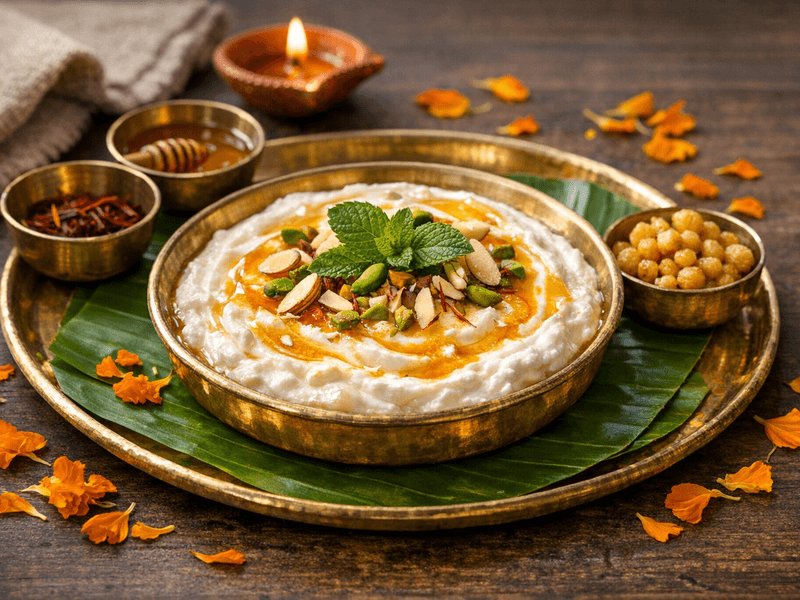
Honey Greek Yogurt, known as 'Dahi aur Shehad' in Hindi, is a flavorful and nutritious dish that blends the creamy richness of strained Greek yogurt with the natural sweetness of honey. While Greek yogurt has become popular globally, strained yogurt, or 'hung curd', has been a staple across India for centuries, especially in states like Punjab and Maharashtra where dairy is abundant. This dish is refreshing, light, and perfect for Indian summers. Its mild sweetness and tangy undertones make it ideal for lunch, especially when you’re seeking a protein-rich meal that’s easy on the palate and digestion. Indian households have long used dahi as a cooling agent during festivals like Holi, when spicy foods and sweets dominate the menu. Honey Greek Yogurt is not only a modern twist but also aligns with traditional Indian eating habits, offering a healthier alternative to sugar-laden desserts. With the growing trend of health-conscious eating in India, this recipe is prized for its simplicity, nutrition, and adaptability. It can be garnished with nuts, seeds, or regional fruits such as mango ('aam') or pomegranate ('anar'), making it a customizable dish that fits every occasion and dietary preference.
Ingredients(for 1 medium bowl (about 150g yogurt per serving))
- 2 cups Greek Yogurt (hung curd/dahi) (Use homemade dahi strained overnight for best results)
- 2 tablespoons Pure Honey (shehad) (Prefer raw, local honey for authentic flavor)
- 2 tablespoons Chopped Almonds (badam) (For crunch and nutrition)
- 1 tablespoon Chopped Pistachios (pista) (Optional for extra flavor) - optional
- 1/2 cup Fresh Fruit (mango/aam, pomegranate/anar) (Seasonal, diced) - optional
- 1 teaspoon Chia Seeds (Boosts fiber and omega-3) - optional
- 1/4 teaspoon Cardamom Powder (elaichi) (For subtle aroma) - optional
- 1/2 teaspoon Rose Water (gulab jal) (Optional, for fragrance) - optional
- 2-3 Mint Leaves (pudina) (For garnish) - optional
Instructions
- 1
Place dahi in a muslin cloth over a bowl and let it drain overnight to get thick, creamy hung curd.
8 hours (passive)
Ensure the curd is well strained for a smooth, Greek yogurt-like texture.
- 2
Transfer the hung curd to a mixing bowl. Whisk gently until smooth and creamy.
3 minutes
Use a hand whisk for best results, avoid over-beating.
- 3
Add pure honey to the yogurt and mix thoroughly to combine sweetness evenly.
2 minutes
Taste and adjust honey as per your preference.
- 4
Fold in chopped almonds, pistachios, and chia seeds. Stir gently.
2 minutes
Reserve some nuts for garnish to enhance presentation.
Why This Dish is Healthy
This dish is a powerhouse of nutrition—it’s high in protein, supports muscle recovery, and keeps you feeling full longer. The inclusion of honey over processed sugar, along with nuts and fruits, provides sustained energy and micronutrients. Greek yogurt, being strained dahi, is naturally lower in lactose and easier to digest, making it suitable for most Indian diets. Its low calorie density and high satiety make it excellent for weight management and diabetic diets.
Honey Greek Yogurt is packed with high-quality protein from dahi, healthy fats from nuts, and natural carbohydrates from honey and fruits. Yogurt provides calcium, vitamin B12, and probiotics, supporting digestive health. Honey offers antioxidants while nuts supply vitamin E, magnesium, and fiber. Chia seeds add omega-3s and additional fiber, making this dish a balanced choice for lunch. The absence of refined sugar and use of fresh fruit makes it low in empty calories, ideal for calorie tracking.
Pro Tips
- 💡Tip 1: Use homemade dahi for best flavor and control over creaminess.
- 💡Tip 2: Strain curd overnight for authentic Greek yogurt texture.
- 💡Tip 3: Add seasonal fruits for variety and extra nutrition.
Storage & Serving
Store Honey Greek Yogurt in an airtight container in the refrigerator for up to 2 days. Stir gently before serving. Avoid freezing as it alters the texture.
Best served: Breakfast or Lunch
Nutrition Facts
| Nutrient | Per 100g |
|---|---|
| Energy | 150.0 kcal |