Homemade Sambar
Lunch • India
How to Make Homemade Sambar (Traditional & Healthy Version)
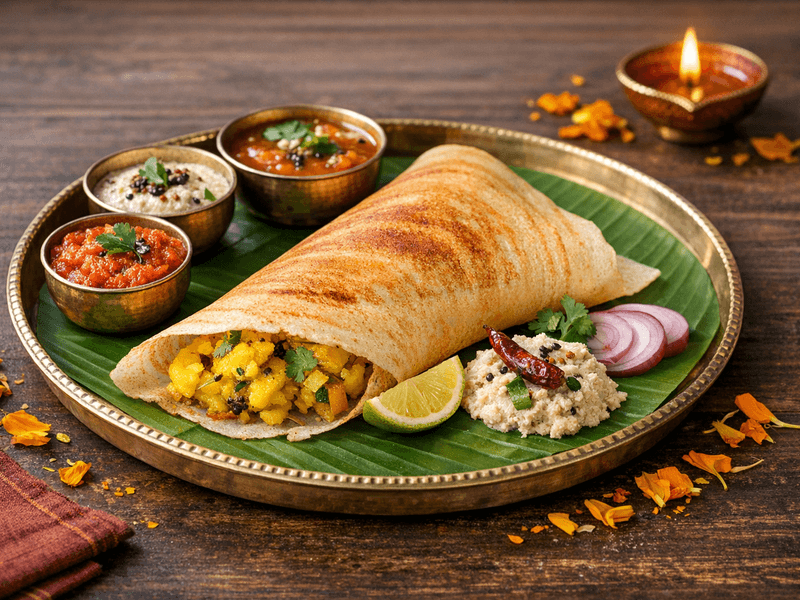
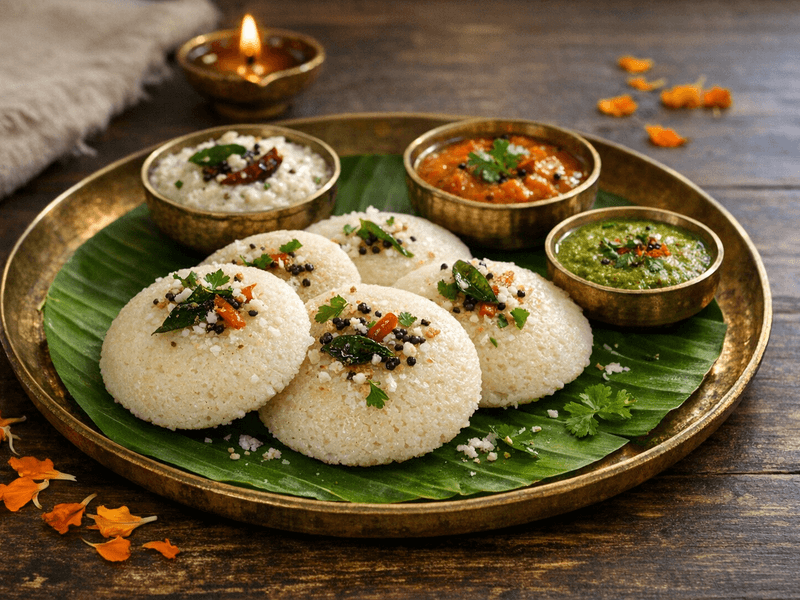
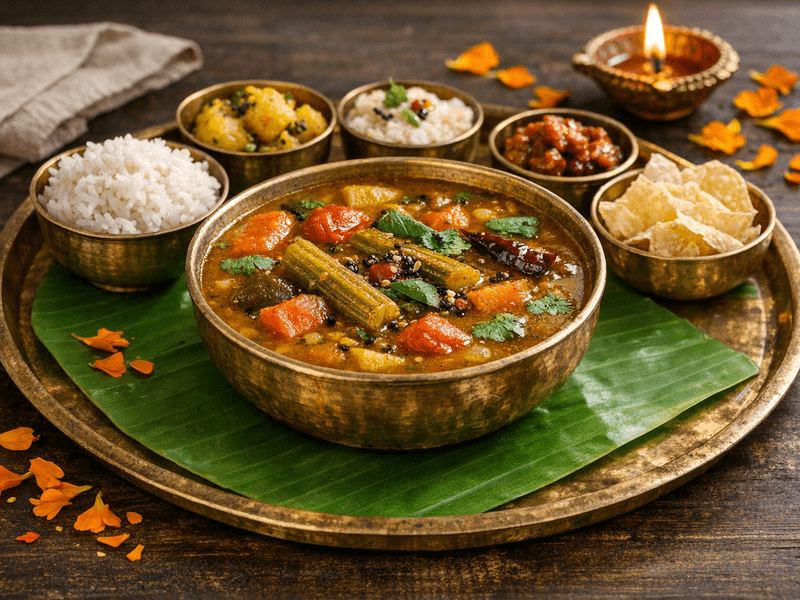
Sambar is a quintessential South Indian dish, cherished across Tamil Nadu, Karnataka, Andhra Pradesh, Kerala, and beyond. A fragrant, nourishing lentil stew brimming with vegetables and seasoned with a unique blend of spices, sambar is more than just food—it's an emotion in every South Indian household. Traditionally served with steaming hot idli, dosa, or rice, homemade sambar is a staple for lunch and often graces festive occasions like Pongal and Onam Sadhya. The roots of sambar can be traced to the Maratha kitchens of Tamil Nadu, where it evolved into the versatile, nutritious dish we enjoy today. Each region and even each home brings its own twist—some add coconut, others a dash of jaggery, or a special homemade sambar podi (spice mix). With its comforting tang from tamarind, a medley of seasonal vegetables, and protein-rich dal, sambar is a balanced, healthy meal. Its mildly spicy, tangy, and aromatic profile makes it a favorite for both everyday meals and grand festive spreads. This recipe uses minimal oil and plenty of fresh vegetables, making it ideal for calorie-conscious food lovers.
Ingredients(for 1 medium bowl (approx. 250 ml))
- 1/2 cup Toor dal (arhar dal) (split pigeon peas)
- 2 cups Mixed vegetables (drumstick (moringa), pumpkin, brinjal (baingan), carrot, beans)
- 1 medium Tomato (chopped)
- 1/2 cup Onion or shallots (sambar vengayam) (peeled and halved)
- 2 tablespoons Tamarind pulp (imli ka ras)
- 2 teaspoons Sambar powder (homemade or store-bought)
- 1/4 teaspoon Turmeric powder (haldi)
- 1/2 teaspoon Mustard seeds (rai)
- 8-10 Curry leaves (kadi patta)
- 1-2 Dry red chilies (lal mirch)
- 1 pinch Asafoetida (hing)
- 1 teaspoon Oil (preferably cold-pressed or filtered groundnut oil)
- to taste Salt
- 2 tablespoons Coriander leaves (hara dhania, chopped) - optional
Instructions
- 1
Wash the toor dal thoroughly and pressure cook with 1.5 cups water, turmeric powder, and a pinch of salt for 3-4 whistles until soft and mushy.
10 minutes
Adding a drop of oil while cooking dal prevents frothing.
- 2
While the dal cooks, chop all vegetables into bite-sized pieces. Soak tamarind in 1/4 cup warm water for 10 minutes. Extract the pulp and discard the residue.
10 minutes
Use fresh tamarind for the best flavor.
- 3
In a heavy-bottomed kadhai, add all chopped vegetables, tomatoes, onions/shallots, and 1.5 cups water. Cook covered on medium flame until vegetables are just tender.
7 minutes
Do not overcook vegetables to retain nutrients and texture.
- 4
Add cooked dal to the vegetables. Stir in sambar powder and tamarind pulp. Mix well and simmer for 5-7 minutes, allowing flavors to meld.
7 minutes
Adjust sambar powder to taste and add more water for desired consistency.
Why This Dish is Healthy
Sambar is naturally low in fat, high in fiber, and packed with plant proteins, making it heart-healthy and excellent for weight management. The addition of assorted vegetables increases micronutrient density and volume, helping you feel fuller on fewer calories. Its low glycemic index supports stable blood sugar, and the spices used have anti-inflammatory benefits. This makes sambar a wholesome choice for everyday Indian meals.
Homemade sambar is a powerhouse of nutrition. The toor dal provides plant-based protein, essential for muscle repair and growth, while a variety of vegetables supply dietary fiber, vitamins A, C, and K, and trace minerals like potassium and magnesium. Tamarind adds antioxidants and aids digestion. Using minimal oil and fresh produce ensures lower saturated fat and higher nutrient retention, making sambar ideal for balanced diets and for those monitoring their calorie intake.
Pro Tips
- 💡Tip 1: Use a mix of at least 3-4 vegetables for depth of flavor and nutrition.
- 💡Tip 2: Roasting sambar powder briefly in oil before adding enhances aroma.
- 💡Tip 3: Always add tempering at the end for a fresh, vibrant taste.
Storage & Serving
Store leftover sambar in an airtight container in the refrigerator for up to 2 days. Reheat gently before serving, adding a splash of water if it thickens.
Best served: Breakfast or Lunch
Nutrition Facts
| Nutrient | Per 100g |
|---|---|
| Energy | 110.0 kcal |