Homemade Cow Paneer
Lunch • India
How to Make Homemade Cow Paneer (Traditional & Healthy Version)
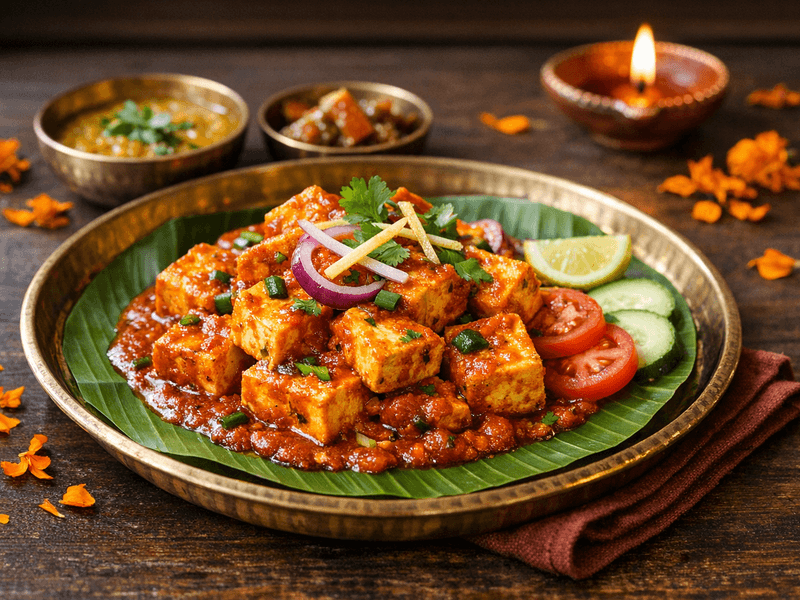
Homemade Cow Paneer is a classic Indian dairy delight, cherished for its soft texture, mild flavor, and impressive versatility. Originating from the heart of Indian kitchens, paneer is a staple in many North Indian households, especially during festivals like Navratri and Diwali, when vegetarian dishes take center stage. Making paneer at home ensures purity, freshness, and the ability to control fat content, making it an excellent choice for health-conscious individuals. Crafting paneer from cow’s milk, or 'doodh', is a time-honored tradition. Compared to buffalo milk, cow's milk yields a lighter, softer paneer, ideal for dishes like palak paneer or paneer bhurji. Its subtle taste allows it to absorb flavors from curries and spices, making it a favorite across regions such as Punjab, Uttar Pradesh, and West Bengal. Paneer holds a special place in Indian cuisine, celebrated for its high protein and calcium content. Enjoying homemade paneer means savoring authentic flavors, free from preservatives, and connecting with the essence of Indian culinary heritage.
Ingredients(for Approximately 100g (about 4-5 cubes) per serving)
- 1 litre Cow’s milk (full cream) (doodh)
- 2-3 tablespoons Lemon juice (nimbu ka ras)
- 1/4 cup Water (pani)
- 6-8 Ice cubes (baraf ke tukde) - optional
- 1 large piece Muslin cloth (malmal ka kapda)
- 1-2 tablespoons Vinegar (as alternative to lemon) (sirka) - optional
- A pinch Salt (namak (optional, for flavor)) - optional
Instructions
- 1
Pour the cow’s milk into a heavy-bottomed pan and bring to a gentle boil on medium flame, stirring occasionally to prevent burning.
7 minutes
Always use fresh, full cream milk for the softest paneer.
- 2
Once the milk boils, reduce the flame to low. Mix lemon juice with water and add gradually to the milk while stirring continuously.
2 minutes
Add the acid slowly to avoid making the paneer grainy.
- 3
Continue to stir gently until the milk curdles completely and greenish whey separates from the curds. Turn off heat.
2 minutes
If the milk does not curdle, add a little more lemon juice or vinegar.
- 4
Add ice cubes to stop the cooking process and help the paneer set softer. Let it rest for 2 minutes.
2 minutes
Ice cubes help maintain the paneer’s tenderness.
Why This Dish is Healthy
Selecting cow’s milk and preparing paneer at home allows you to control the purity and fat content, reducing unnecessary calories. Paneer is highly satiating due to its protein content, which helps curb hunger and maintain energy levels throughout the day. Its low glycemic index makes it a smart choice for diabetics and weight watchers. Homemade paneer is also easier to digest and ideal for children, seniors, and those with sensitive stomachs.
Homemade Cow Paneer is rich in high-quality protein, essential for muscle repair and overall growth, making it a staple in vegetarian diets. It is a great source of calcium and phosphorus for strong bones and teeth, vitamin B12 for energy, and healthy fats to support cell function. Paneer made from cow’s milk is lower in fat than buffalo-based varieties, making it suitable for those watching their calorie intake. It contains no gluten, and when made fresh, is free from additives and preservatives.
Pro Tips
- 💡Use fresh, full cream cow’s milk for the best texture and taste.
- 💡Set paneer under a weight for a minimum of 15 minutes for a firmer block.
- 💡Always rinse the curds to remove excess acidity from lemon or vinegar.
Storage & Serving
Store homemade paneer in an airtight container in the refrigerator for up to 3 days. For longer freshness, immerse the paneer in a bowl of water and change the water daily.
Best served: Breakfast or Lunch
Nutrition Facts
| Nutrient | Per 100g |
|---|---|
| Energy | 260.0 kcal |