Guar Bean Sabzi
Lunch • India
How to Make Guar Bean Sabzi (Traditional & Healthy Version)
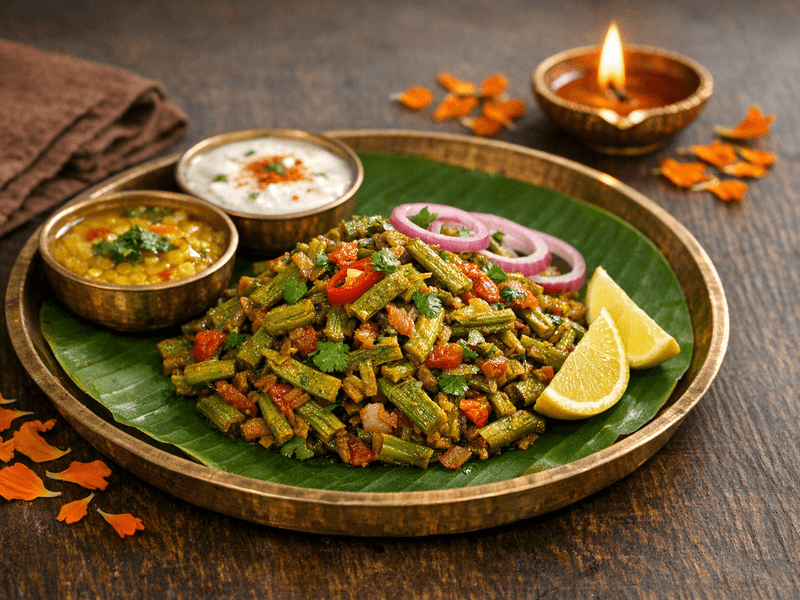
Guar Bean Sabzi, also known as Gawar ki Phali ki Sabzi, is a beloved North Indian vegetarian dish made with cluster beans (guar beans). This humble sabzi is a staple in many Punjabi and Rajasthani households, especially during the summer months when guar beans are in season. The dish is celebrated for its earthy flavors, slight bitterness, and delicate spicing—a perfect companion to phulka, roti, or even steamed rice. The preparation uses minimal oil and a medley of classic Indian spices like jeera (cumin), haldi (turmeric), and dhania powder (coriander). The result is a light, nutritious, and satisfying sabzi, packed with dietary fiber and plant-based protein. Guar Bean Sabzi is not just a delicious part of everyday Indian lunch menus but also finds a place during fasting days or festival thalis in some North Indian regions. The simplicity and nutritional value of this sabzi make it a popular choice among health-conscious families. Its unique taste comes from the natural flavor of guar beans, which are cooked to a tender texture, blending beautifully with tomatoes, onions, and spices. This sabzi is a testament to the Indian tradition of creating hearty and nourishing meals from seasonal, local produce.
Ingredients(for 1 medium bowl (about 200g cooked sabzi))
- 200 grams Guar beans (cluster beans) (gawar phali)
- 1 medium, finely chopped Onion (pyaz)
- 1 medium, chopped Tomato (tamatar)
- 1, finely chopped Green chili (hari mirch) - optional
- 1 teaspoon, grated Ginger (adrak)
- 1/2 teaspoon Cumin seeds (jeera)
- 1/4 teaspoon Turmeric powder (haldi)
- 1 teaspoon Coriander powder (dhania powder)
- 1/4 teaspoon Red chili powder (lal mirch) - optional
- to taste Salt (namak)
- 1 tablespoon Oil (preferably mustard oil or sunflower oil)
- 2 tablespoons, chopped Fresh coriander leaves (hara dhania) - optional
Instructions
- 1
Wash and trim the guar beans. Cut them into 1-inch pieces, discarding the tough ends.
5 minutes
Tender, young beans cook faster and taste less bitter.
- 2
Heat oil in a kadhai or heavy-bottomed pan. Add cumin seeds and let them splutter.
2 minutes
Use mustard oil for an authentic North Indian flavor.
- 3
Add chopped onions and sauté until golden brown. Stir in grated ginger and green chili. Cook for another minute.
4 minutes
Keep the flame medium to prevent burning the onions.
- 4
Mix in chopped tomatoes, turmeric, coriander powder, red chili powder, and salt. Cook until tomatoes turn soft and oil starts to separate.
5 minutes
Mash the tomatoes with the back of your spoon for a smoother gravy.
Why This Dish is Healthy
This sabzi is a healthy choice because it uses fresh, seasonal vegetables, minimal oil, and a mix of turmeric, ginger, and green chilies known for their anti-inflammatory and digestive benefits. The high fiber content aids digestion and keeps you satiated, making it suitable for weight management. As it is vegan-friendly and gluten-free (when served without wheat-based breads), it fits well into most balanced diets.
Guar Bean Sabzi is rich in dietary fiber, plant-based protein, vitamins A and C, and essential minerals like iron, calcium, and potassium. The low oil content keeps the calories in check, making it a heart-healthy option. Guar beans are also known for their blood sugar-regulating properties, making this a fantastic dish for those seeking to manage diabetes or cholesterol levels. The addition of tomatoes and onions provides antioxidants and phytonutrients beneficial for overall health.
Pro Tips
- 💡Tip 1: Always use fresh, tender guar beans for the best taste and nutrition.
- 💡Tip 2: Adding a pinch of sugar can balance out the natural bitterness if desired.
- 💡Tip 3: For a richer taste, add a teaspoon of roasted besan (gram flour) along with the masalas.
Storage & Serving
Store leftover sabzi in an airtight container in the refrigerator for up to 2 days. Reheat on a low flame, sprinkling a little water to refresh the texture before serving.
Best served: Lunch
Nutrition Facts
| Nutrient | Per 100g |
|---|---|
| Energy | 110.0 kcal |