Ghiya with Moong Dal
Lunch • India
How to Make Ghiya with Moong Dal (Traditional & Healthy Version)
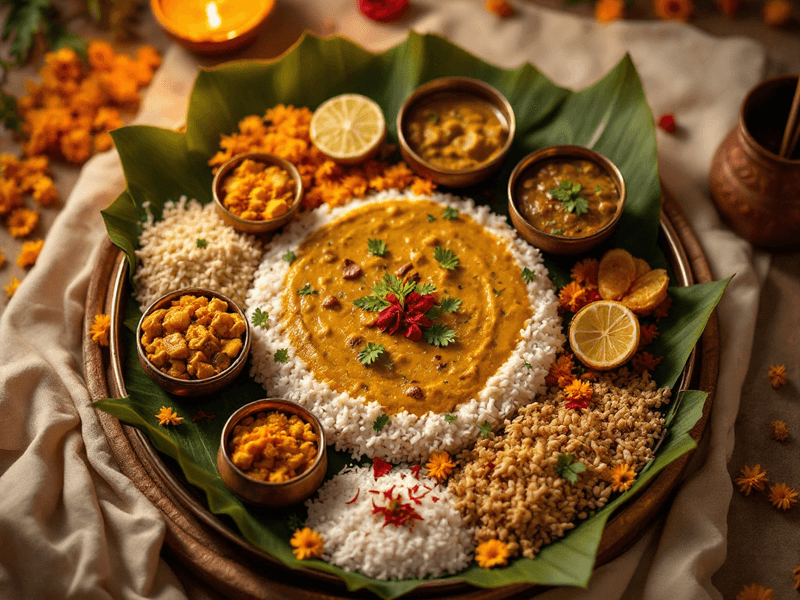
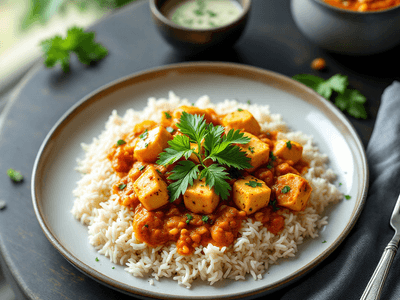
Ghiya with Moong Dal is a classic North Indian dish beloved for its lightness, subtle flavors, and nourishing qualities. 'Ghiya', also known as bottle gourd or lauki, pairs beautifully with protein-rich moong dal (split yellow mung beans) to create a comforting, homestyle sabzi that’s both wholesome and delicious. Traditionally prepared in many North Indian households, this simple curry is a staple during the hot summer months due to its cooling properties and easy digestibility. Known for its delicate blend of mild spices, Ghiya with Moong Dal is often served with phulka (rotis made from atta) or steamed rice, making it a complete vegetarian meal. The dish is especially popular in regions like Punjab, Uttar Pradesh, and Haryana, where bottle gourd is grown abundantly. Its gentle, easily digestible nature makes it suitable for all age groups – from children to elders. Ghiya with Moong Dal is also a common choice during festivals and vrat (fasting) days, thanks to its sattvic (pure) qualities and minimal use of oil or heavy masalas. This recipe brings together tradition and health in every bite, making it a perfect addition to your lunch menu.
Ingredients(for 1 medium bowl per serving)
- 2 cups Ghiya (Bottle Gourd) (peeled and diced)
- 1/2 cup Moong Dal (yellow split moong dal, washed and soaked)
- 1 small Onion (finely chopped (optional for traditional vrat)) - optional
- 1 medium Tomato (finely chopped)
- 1 tsp Ginger (grated (adrak))
- 1 Green Chili (finely chopped) - optional
- 1/4 tsp Turmeric Powder (haldi)
- 1/2 tsp Cumin Seeds (jeera)
- a pinch Asafoetida (hing) - optional
- to taste Salt (sendha namak for vrat)
- 1 tsp Mustard Oil (or any cold-pressed oil)
- 2 tbsp Fresh Coriander Leaves (finely chopped for garnish) - optional
Instructions
- 1
Wash and soak moong dal in water for 15 minutes. Meanwhile, peel and dice the ghiya into small cubes. Finely chop the onion, tomato, ginger, green chili, and coriander leaves.
10 minutes
Soaking moong dal improves digestibility and reduces cooking time.
- 2
Heat mustard oil in a pressure cooker or thick-bottomed kadai. Add cumin seeds (jeera) and let them splutter. Add a pinch of hing for enhanced aroma.
2 minutes
Use mustard oil for authentic North Indian flavor; ensure it's well heated to reduce pungency.
- 3
Add chopped onions (if using) and sauté until translucent. Then add grated ginger and green chili. Sauté for another minute.
2 minutes
For vrat or festival days, skip onion and garlic as per tradition.
- 4
Add chopped tomatoes and turmeric powder (haldi). Cook until tomatoes turn soft and oil separates.
3 minutes
Adding salt to tomatoes helps them cook faster.
Why This Dish is Healthy
This recipe uses minimal oil, high-fiber vegetables, and protein-rich dal, making it heart-healthy and suitable for weight loss. No heavy cream or fried ingredients are used, which keeps the fat content low. It’s light, easily digestible, and full of nutrients, making it perfect for lunch or as a part of a balanced diet plan. The inclusion of ghiya also helps keep you full longer, preventing unhealthy snacking.
Ghiya with Moong Dal is a powerhouse of nutrition. Bottle gourd (lauki) is low in calories, rich in dietary fiber, and high in water content, promoting hydration and digestion. Moong dal provides quality plant-based protein, essential amino acids, and is easy on the stomach. This dish is packed with vitamins like vitamin C, B-complex, and minerals such as potassium, magnesium, and iron. Using minimal oil and fresh ingredients ensures a healthy, balanced meal ideal for those managing calorie intake.
Pro Tips
- 💡Tip 1: Always use tender, fresh ghiya for best taste and texture.
- 💡Tip 2: Soak moong dal for at least 15 minutes to reduce cooking time and improve digestibility.
- 💡Tip 3: For a richer flavor, add a dash of homemade ghee while serving.
Storage & Serving
Store leftovers in an airtight container in the refrigerator for up to 2 days. Reheat gently on the stovetop with a splash of water to regain desired consistency. Best consumed fresh.
Best served: Breakfast or Lunch
Nutrition Facts
| Nutrient | Per 100g |
|---|---|
| Energy | 130.0 kcal |