Ghiya Sabji
Lunch • India
How to Make Ghiya Sabji (Traditional & Healthy Version)
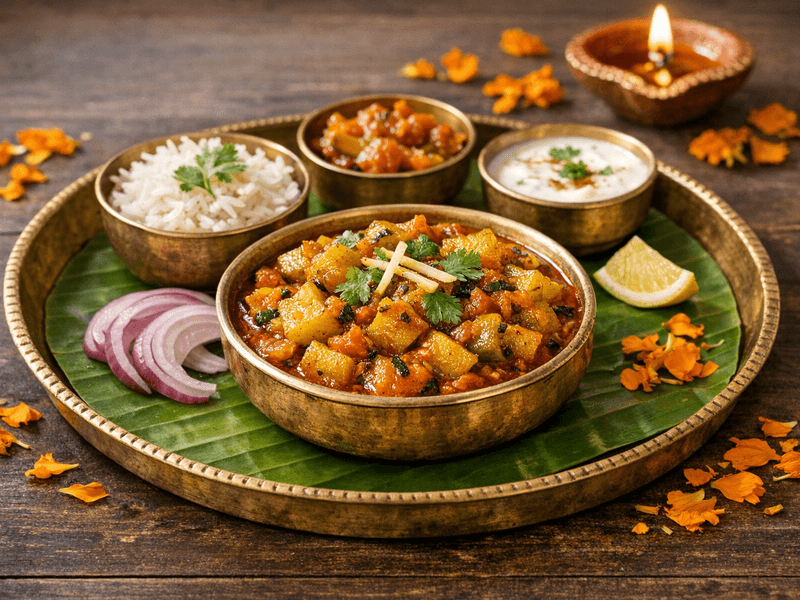
Ghiya Sabji, also known as Lauki ki Sabji, is a classic North Indian vegetable curry made from bottle gourd (ghiya/lauki). This light and flavorful dish is a staple in many Indian households, especially during the hot summer months when ghiya is abundantly available. Its mild taste, delicate aroma, and easy digestibility make it a favorite for lunch across Uttar Pradesh, Punjab, Haryana, and Delhi. Ghiya Sabji is often paired with chapati (atta roti), steamed rice, or even as a side with dal for a complete meal. In Indian culture, Ghiya Sabji is cherished not just for its comforting flavors but also for its health benefits. It is commonly prepared during festivals like Navratri, when light, sattvic food is preferred. The dish’s simplicity allows the subtle flavors of cumin (jeera), turmeric (haldi), and fresh coriander (dhaniya) to shine. Regional variations may include a touch of garam masala or a sprinkle of amchur (dry mango powder) for tanginess. Ghiya Sabji is perfect for calorie-conscious individuals, providing nourishment without heavy oils or rich gravies. Whether served in a thali for lunch or as part of a festive meal, Ghiya Sabji exemplifies the authentic, wholesome essence of North Indian vegetarian cuisine. Its gentle, soothing taste makes it ideal for all age groups, including children and the elderly. Discover how to make this traditional, healthy sabji at home with our step-by-step recipe.
Ingredients(for 1 medium bowl (approx. 250ml))
- 2 cups (peeled and diced) Ghiya (Lauki/Bottle Gourd) (गhiya, lauki)
- 1 medium (finely chopped) Onion (प्याज)
- 1 large (chopped) Tomato (टमाटर)
- 1 (slit) Green Chili (हरी मिर्च)
- 1 tsp (grated) Ginger (अदरक)
- 1 tsp Cumin Seeds (जीरा)
- 1/2 tsp Turmeric Powder (हल्दी)
- 1 tsp Coriander Powder (धनिया पाउडर)
- 1/4 tsp Red Chili Powder (लाल मिर्च पाउडर)
- to taste Salt (नमक)
- 1 tbsp Oil (सरसों का तेल/रिफाइंड)
- 2 tbsp (chopped) Fresh Coriander Leaves (धनिया पत्ता)
Instructions
- 1
Wash, peel, and dice the ghiya (lauki) into small cubes. Also, finely chop onion, tomato, ginger, and green chili.
5 minutes
Cut lauki just before cooking to prevent it from turning brown.
- 2
Heat oil in a kadhai or pan. Add cumin seeds and let them splutter. Add grated ginger and green chili, sauté briefly.
3 minutes
Use mustard oil for authentic North Indian flavor.
- 3
Add chopped onion and sauté till translucent. Stir in chopped tomato and cook until soft and mushy.
4 minutes
Add a pinch of salt to onions for faster cooking.
- 4
Add diced ghiya, turmeric, coriander powder, red chili powder, and salt. Mix well, cover, and cook on low flame for 10-12 minutes.
12 minutes
Stir occasionally to prevent sticking; do not add excess water as lauki releases moisture.
Why This Dish is Healthy
Ghiya Sabji is a low-calorie, high-fiber vegetarian dish perfect for calorie tracking. It uses minimal oil, no processed ingredients, and incorporates whole, fresh vegetables. Its nutrient density supports weight loss, blood sugar regulation, and digestive health. The use of traditional Indian spices further boosts immunity and metabolism, making it a healthy, wholesome choice for lunch.
Ghiya (bottle gourd) is rich in dietary fiber, vitamin C, potassium, and low in calories, making it ideal for weight management. It helps in digestion, hydration, and provides antioxidants. Onions and tomatoes add vitamins A and K, while spices like turmeric offer anti-inflammatory properties. The dish is naturally gluten-free and vegan, with minimal oil and no heavy cream. This sabji is suitable for diabetics, heart health, and those looking to manage cholesterol.
Pro Tips
- 💡Tip 1: Use tender lauki for best flavor and quick cooking.
- 💡Tip 2: Avoid overcooking; lauki should retain some texture.
- 💡Tip 3: Garnish with fresh dhaniya just before serving for aroma and nutrition.
Storage & Serving
Store leftover Ghiya Sabji in an airtight container in the refrigerator for up to 2 days. Reheat gently on a tawa or in a pan; avoid microwaving to preserve texture.
Best served: Lunch
Nutrition Facts
| Nutrient | Per 100g |
|---|---|
| Energy | 90.0 kcal |
| Protein | 1.0 g |
| Carbohydrates | 7.0 g |
| Total Fat | 1.0 g |
| Fiber | 2.0 g |