Egg Boiled
Lunch • India
How to Make Egg Boiled (Traditional & Healthy Version)
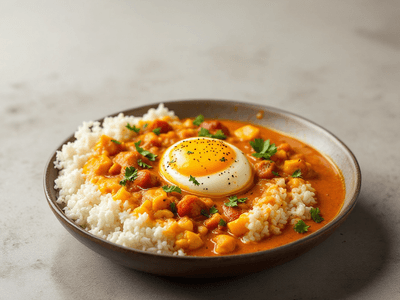
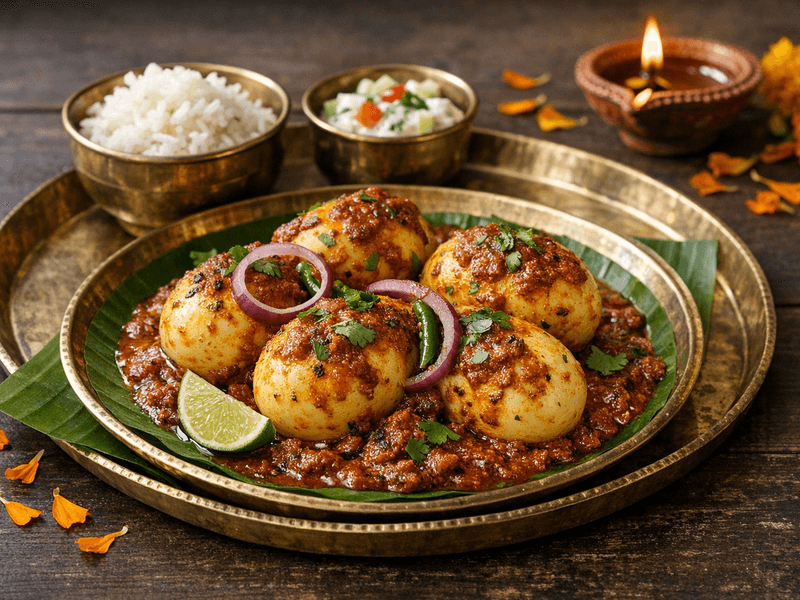
Egg Boiled, or 'ubla anda' in Hindi, is a simple yet highly nutritious dish enjoyed across India. Whether eaten as a quick lunch, a protein-rich snack, or as part of a festive thali, the boiled egg is a staple in Indian households. Its popularity cuts across regions — from North India's 'masala boiled egg' to South India's 'mutta chaat', each locale lends its unique twist by adding local masalas or accompaniments. Boiled eggs are revered for their simplicity, adaptability, and health quotient, making them a go-to dish for people of all ages, especially during busy weekdays when quick, wholesome meals are needed. Rich in protein and packed with essential vitamins, boiled eggs are often recommended by nutritionists for those seeking balanced nutrition. In many Indian homes, they are offered to children during exam time for brain health or to elders as a light, digestible source of energy. During festivals like Makar Sankranti and Pongal, eggs may feature in special lunches, served with soft 'roti' or spicy chutneys. Their subtle flavor and creamy texture pair well with Indian spices, making boiled eggs a versatile addition to lunchboxes, salads, or even as a stand-alone snack sprinkled with kala namak and chilli powder.
Ingredients(for 2 boiled eggs per serving)
- 4 Eggs (anda (use free-range if possible))
- 4 cups Water (for boiling)
- 1/2 tsp Salt (namak)
- 1/4 tsp Black pepper powder (kali mirch)
- 1/2 tsp Chaat masala (optional, for garnish) - optional
- 1/4 tsp Red chilli powder (lal mirch, optional) - optional
- 1 tbsp Coriander leaves (hara dhania, finely chopped) - optional
- 1 Lemon wedge (for serving) - optional
- 1 small Onion (finely sliced, optional for garnish) - optional
Instructions
- 1
Place eggs in a heavy-bottomed patila (saucepan) and cover with water. Add salt to prevent cracking.
2 minutes
Use room temperature eggs to avoid sudden cracking.
- 2
Bring water to a gentle boil over medium flame. Once boiling, reduce heat and simmer for 10-12 minutes.
12 minutes
For soft-boiled eggs, reduce simmer time to 7 minutes.
- 3
Remove eggs with a slotted spoon and immediately transfer to a bowl of cold water. Let cool for 5 minutes.
5 minutes
This helps in easy peeling and stops further cooking.
- 4
Gently tap each egg on a flat surface and peel off the shell. Rinse briefly to remove any shell bits.
2 minutes
Roll eggs between your palms to loosen the shell further.
Why This Dish is Healthy
Boiled eggs are a wholesome, low-calorie food that keeps you full for longer, aiding in weight loss. They are free from refined carbs and unhealthy oils often found in fried snacks. By boiling instead of frying, you retain the nutritional value without added calories. Their nutrient density makes them ideal for diabetics, fitness enthusiasts, and kids alike. Including boiled eggs in your lunch supports a healthy, active lifestyle.
Eggs are an excellent source of high-quality protein, containing all essential amino acids needed for muscle repair and growth. They are rich in vitamins such as B12, D, A, and minerals like selenium and zinc, which are vital for immunity and metabolism. Boiled eggs are naturally low in carbohydrates and provide healthy fats from the yolk. This makes them a perfect choice for balanced Indian meals, supporting weight management, heart health, and sustained energy.
Pro Tips
- 💡Tip 1: Add salt to the water while boiling to prevent eggs from cracking.
- 💡Tip 2: Use an ice bath after boiling to make peeling hassle-free.
- 💡Tip 3: For a spicier kick, sprinkle a pinch of black salt (kala namak) before serving.
Storage & Serving
Store boiled eggs (unpeeled) in the refrigerator for up to 1 week. Peeled eggs can be refrigerated in an airtight container for 2-3 days. Avoid freezing.
Best served: Breakfast or Lunch
Nutrition Facts
| Nutrient | Per 100g |
|---|---|
| Energy | 250.0 kcal |