Dhosa
Lunch • India
How to Make Dhosa (Traditional & Healthy Version)
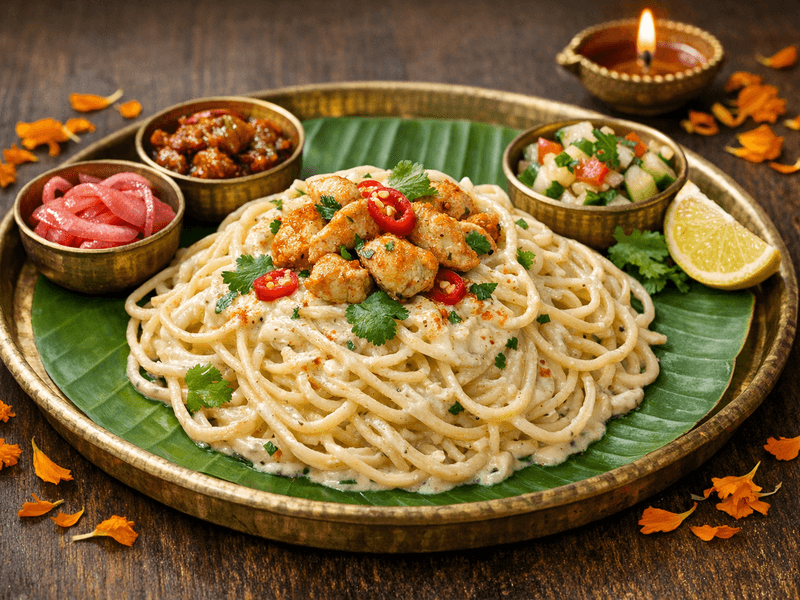
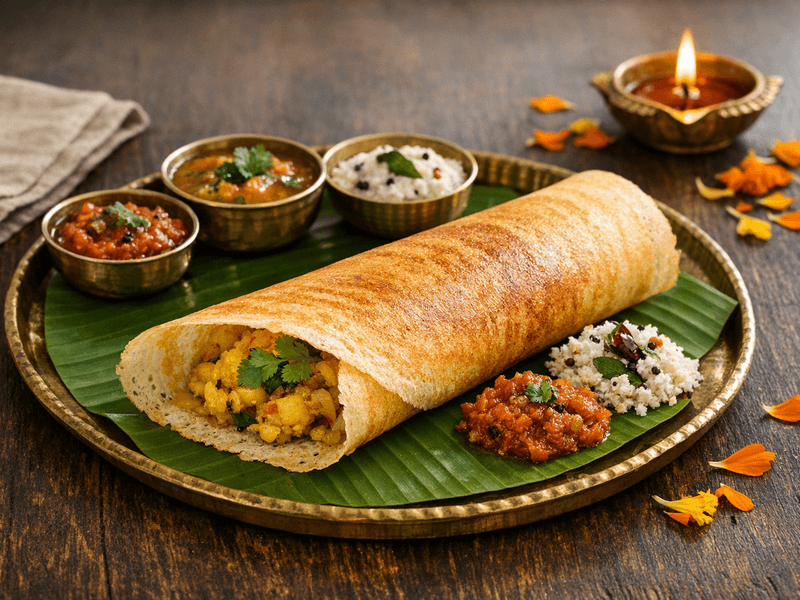
Dhosa, also known as Dosa in South India, is a beloved savory crepe made from fermented rice and urad dal (black gram) batter. Originating from the heart of South Indian cuisine, Dhosa is enjoyed across India, from breakfast tables in Tamil Nadu and Karnataka to lunch menus in Maharashtra and Gujarat. The dish is prized for its crisp texture, subtle tangy flavor from fermentation, and versatility—it pairs beautifully with chutneys (coconut, tomato) and sambhar. Dhosa is not only a festival favorite during Pongal and Diwali, but also a staple in daily Indian meals, making it a perfect choice for health-conscious individuals seeking authentic Indian flavors. Traditionally cooked on a hot tawa, Dhosa is celebrated for its lightness, making it ideal for lunch or a nourishing breakfast. Its global popularity within India has led to countless variations, including masala dhosa and rava dhosa. The fermentation process not only enhances taste but promotes digestibility and gut health. With minimal oil and wholesome ingredients, Dhosa is a nutritious, vegetarian-friendly meal that fits naturally into calorie-conscious diets.
Ingredients(for 1 large dhosa with chutney, sambhar)
- 1 cup Rice (chawal)
- 1/4 cup Urad dal (black gram) (urad dal)
- 1/2 tsp Fenugreek seeds (methi dana)
- as needed Water (for soaking and grinding)
- 1/2 tsp Salt (namak)
- 1 tsp per dhosa Oil (for cooking; use cold-pressed or coconut oil for health)
- as needed Chutney (coconut chutney or tomato chutney) - optional
- as needed Sambhar (optional side) - optional
- 1/2 cup Optional vegetables (finely chopped onions, carrots, spinach) - optional
Instructions
- 1
Rinse rice, urad dal, and methi dana thoroughly. Soak them separately in water for at least 4 hours.
4 hours
Longer soaking improves fermentation and digestibility.
- 2
Drain and grind rice and urad dal with methi dana to a smooth batter, adding water gradually. The batter should be thick yet pourable.
10 minutes
Use a wet grinder or mixie for best texture.
- 3
Transfer batter to a bowl, cover, and ferment overnight or 8-10 hours in a warm place until it doubles and turns slightly sour.
8 hours
Fermentation is key for flavor and nutrition.
- 4
Add salt to the fermented batter and mix gently. If desired, stir in finely chopped vegetables for added nutrients.
2 minutes
Do not overmix to preserve airiness.
Why This Dish is Healthy
Dhosa is a healthy choice due to its balanced macronutrient profile, minimal oil usage, and digestive benefits from fermentation. It's vegetarian, low-calorie, and can be adapted for vegan diets. Including vegetables further enhances its nutritional value, making it ideal for weight management, diabetes control, and muscle recovery.
Dhosa is rich in complex carbohydrates from rice and plant-based protein from urad dal. Fermentation boosts B vitamins and makes nutrients more bioavailable. Low in saturated fat, Dhosa provides essential minerals like iron, magnesium, and potassium. The addition of vegetables increases fiber and vitamin content, supporting digestion and immunity.
Pro Tips
- 💡Tip 1: Use filtered water for soaking and grinding to promote clean fermentation.
- 💡Tip 2: Ferment batter in a warm spot; avoid direct sunlight.
- 💡Tip 3: For ultra-crisp dhosa, ensure tawa is properly heated before spreading batter.
Storage & Serving
Store leftover batter in the refrigerator for up to 3 days. Keep cooked dhosa covered to prevent drying; best eaten fresh.
Best served: Breakfast or Lunch
Nutrition Facts
| Nutrient | Per 100g |
|---|---|
| Energy | 250.0 kcal |