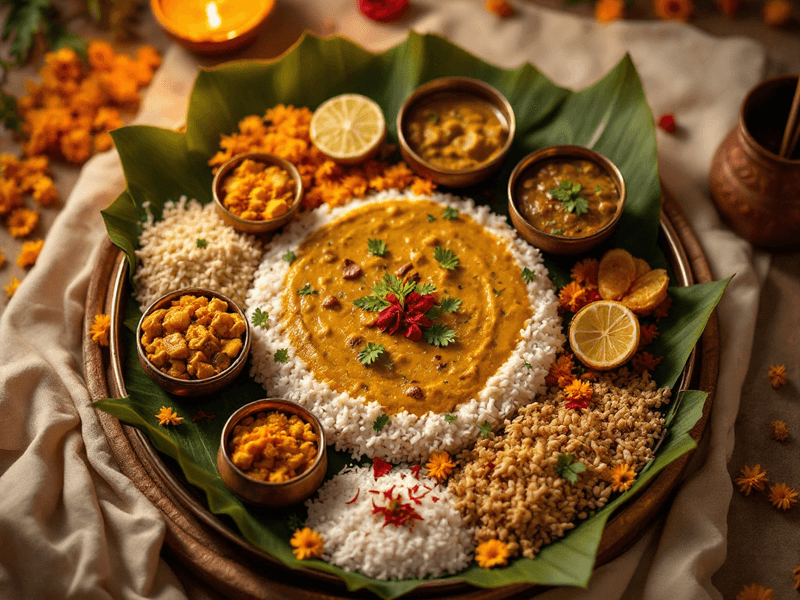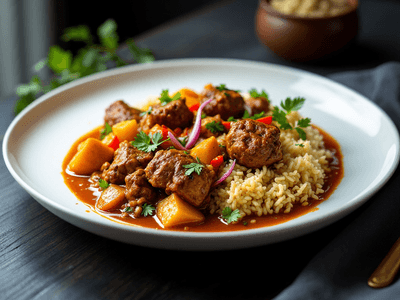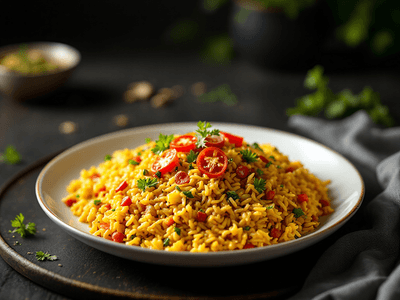
Dal Chawal with Seasonal Vegetable Sabzi
Lunch • India
How to Make Dal Chawal with Seasonal Vegetable Sabzi (Traditional & Healthy Version)
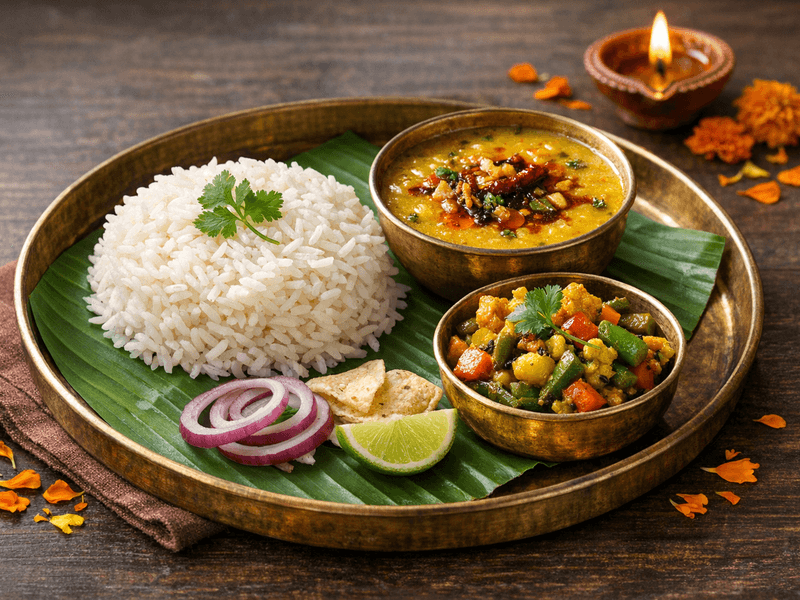
Dal Chawal with Seasonal Vegetable Sabzi is a beloved North Indian lunch staple, cherished for its simplicity, nutritional value, and comforting taste. The dish features aromatic basmati chawal (rice) paired with hearty dal, commonly using arhar (toor) or moong, gently tempered with spices such as jeera, hing, and fresh coriander. The addition of a sabzi made from fresh, locally sourced seasonal vegetables like lauki (bottle gourd), tori (ridge gourd), or gajar (carrot) enhances both the flavor and nutritional profile, making this meal a wholesome choice for any day. Dal Chawal is not just a meal—it's a tradition passed through generations, often gracing family tables during festivals, fasts, and daily meals alike. This combination is integral to Indian cuisine, especially in states like Uttar Pradesh, Punjab, and Haryana, where it is a daily lunch favorite. The subtle, earthy flavors of dal blend beautifully with the steamed chawal, while the sabzi adds vibrant color and a medley of textures. Light, aromatic, and soul-satisfying, this dish epitomizes the essence of satvik (pure vegetarian) food, making it suitable for all ages and dietary preferences. For those tracking calories or following a healthy diet, Dal Chawal with Sabzi offers the perfect balance of protein, complex carbohydrates, and fiber, making it a smart, wholesome choice for lunch.
Ingredients(for 1 medium bowl dal, 1 cup steamed rice, 1 cup vegetable sabzi)
- 1/2 cup Arhar dal (toor dal) (washed and soaked for 15 mins)
- 1 cup Basmati rice (chawal)
- 2 cups Mixed seasonal vegetables (lauki, tori, gajar, beans, capsicum)
- 1 small Onion (finely chopped, optional for sabzi) - optional
- 1 medium Tomato (finely chopped)
- 1 Green chili (finely chopped) - optional
- 1 inch Ginger (grated (adrak))
- 1 tsp Cumin seeds (jeera)
- 1/2 tsp Turmeric powder (haldi)
- 1/2 tsp Red chili powder (lal mirch)
- 1/8 tsp Asafoetida (hing) - optional
- to taste Salt (namak)
- 1 tbsp Cooking oil (preferably mustard oil or cold-pressed)
- 2 tbsp Fresh coriander leaves (hara dhania, chopped)
Instructions
- 1
Wash and soak arhar dal for 15 minutes. Pressure cook dal with 2 cups water, turmeric, and a pinch of salt for 3 whistles or until soft.
10 minutes
Add a few drops of mustard oil while cooking dal for aroma.
- 2
Rinse basmati rice thoroughly and soak for 10 minutes. Cook rice in 2 cups water on medium flame till soft and grains are separate.
15 minutes
Fluff rice with a fork to avoid stickiness.
- 3
For sabzi, heat oil in a kadhai. Add cumin seeds, let them splutter. Add hing and optional onions; sauté till golden.
3 minutes
Use minimal oil for a lighter version.
- 4
Add ginger, green chili, and chopped tomatoes. Cook until tomatoes soften, then add all chopped seasonal vegetables.
4 minutes
Cut vegetables uniformly for even cooking.
Why This Dish is Healthy
This dish is ideal for a health-conscious lifestyle, as it balances protein, complex carbs, and fiber without excess calories or unhealthy fats. The use of dals and vegetables supports muscle health, satiety, and gut health. The recipe avoids heavy creams or deep frying, making it suitable for those managing weight, diabetes, or heart health. Whole ingredients and gentle cooking methods preserve the nutritional value, making each meal nourishing and light.
Dal Chawal with Seasonal Vegetable Sabzi is a nutritional powerhouse, offering a complete protein profile when dal and rice are combined. The seasonal sabzi adds dietary fiber, vitamins A and C, potassium, and phytonutrients. The dish is naturally low in fat, cholesterol-free, and provides complex carbohydrates for sustained energy. Using minimal oil and fresh, local vegetables ensures maximum micronutrient retention. The inclusion of turmeric, ginger, and cumin supports digestion and immunity.
Pro Tips
- 💡Tip 1: Always soak dal and rice for better texture and faster cooking.
- 💡Tip 2: Use fresh, seasonal vegetables for maximum nutrition and taste.
- 💡Tip 3: Add a squeeze of lemon to dal before serving to enhance flavor and vitamin C content.
Storage & Serving
Store leftovers in airtight containers in the refrigerator for up to 2 days. Reheat dal and sabzi on a low flame, adding a splash of water if needed. Rice can be steamed or microwaved before serving.
Best served: Breakfast or Lunch
Nutrition Facts
| Nutrient | Per 100g |
|---|---|
| Energy | 415.0 kcal |