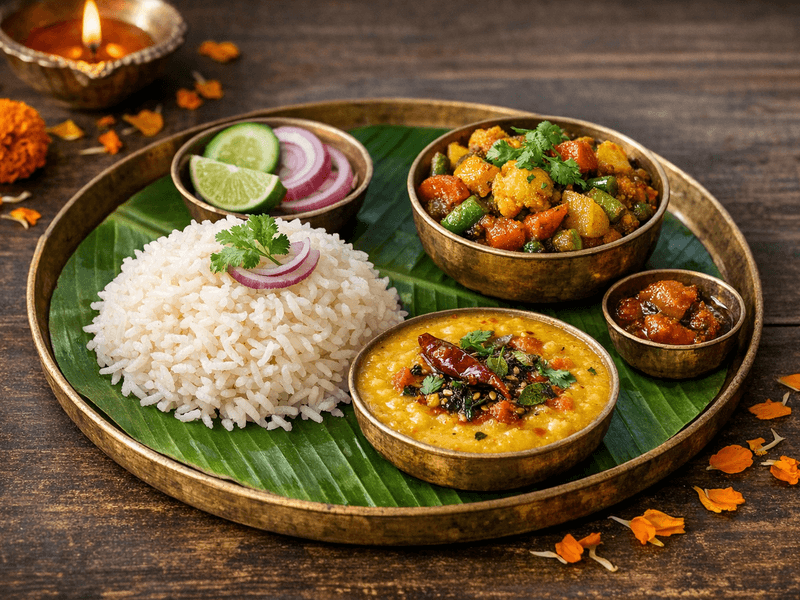
Dal Chawal with Mixed Vegetable Sabzi
Lunch • India
How to Make Dal Chawal with Mixed Vegetable Sabzi (Traditional & Healthy Version)
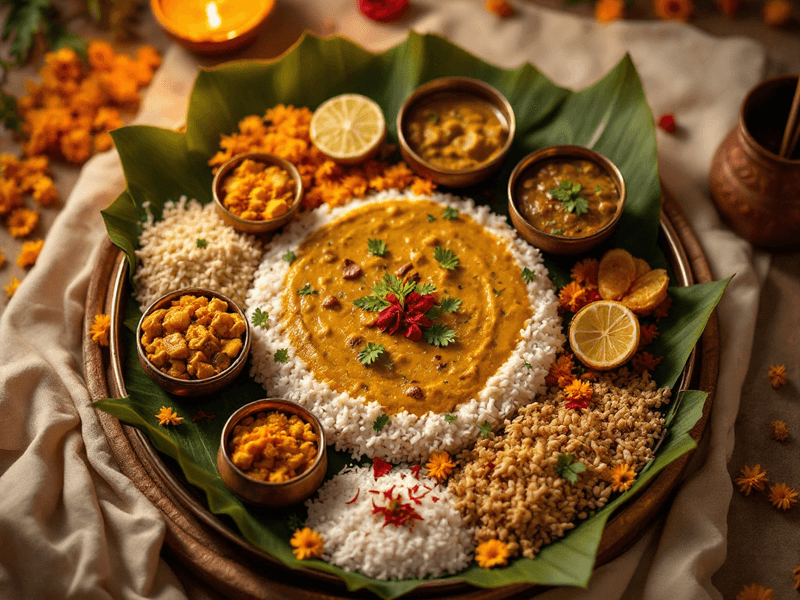
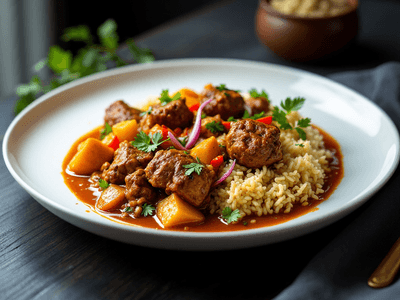
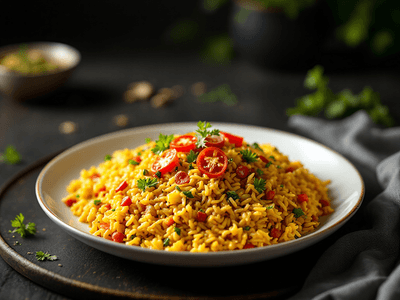
Dal Chawal with Mixed Vegetable Sabzi is a beloved North Indian lunch staple, cherished for its comforting flavors and wholesome nutrition. 'Dal' refers to the protein-rich lentil curry, while 'Chawal' means steamed rice, and together they form a balanced meal enjoyed across homes from Punjab to Uttar Pradesh. The addition of Mixed Vegetable Sabzi brings vibrant colors and textures, enhancing both taste and nutrition. This dish is often served during family gatherings, everyday lunches, and is particularly popular during festivals like Holi and Diwali, where simple, home-cooked meals are celebrated. The combination of dal, chawal, and sabzi is not only satisfying but also nourishing, making it a perfect choice for those seeking a healthy vegetarian Indian meal. The dal is typically prepared using 'arhar dal' (toor dal), seasoned with jeera (cumin), hing (asafoetida), and tempered in desi ghee or oil. The sabzi uses seasonal vegetables such as 'aloo' (potato), 'gajar' (carrot), 'beans', and 'lauki' (bottle gourd), cooked with aromatic spices. This harmonious blend of flavors and textures caters to all age groups and dietary preferences, offering a taste of Indian tradition in every bite.
Ingredients(for 1 plate with 1 cup dal, 1 cup chawal, and 1/2 cup sabzi)
- 1 cup Arhar Dal (Toor Dal) (Split pigeon peas)
- 1 cup Rice (Chawal) (Basmati or local variety)
- 2 cups Mixed Vegetables (Aloo, gajar, beans, lauki, peas)
- 1 medium Onion (Finely chopped)
- 1 medium Tomato (Chopped)
- 1 tsp Ginger-Garlic Paste (Adrak-Lahsun paste)
- 1 tsp Cumin Seeds (Jeera)
- 1/2 tsp Turmeric Powder (Haldi)
- 1/2 tsp Red Chili Powder (Lal mirch)
- to taste Salt (Local sendha namak or regular)
- 2 tbsp Oil or Desi Ghee (Preferably mustard oil or ghee)
- 2 tbsp Fresh Coriander (Hara dhania, chopped)
- a pinch Asafoetida (Hing)
Instructions
- 1
Wash arhar dal and rice separately. Soak dal for 10 minutes. Prepare and chop all vegetables for sabzi.
5 minutes
Soaking dal helps reduce cooking time and improves digestibility.
- 2
Cook dal in a pressure cooker with 2 cups water, turmeric, and salt for 3 whistles. Let pressure release naturally.
10 minutes
Do not overcook dal; it should be soft but not mushy.
- 3
Simultaneously, cook rice in a separate vessel with 2 cups water and a pinch of salt. Cover and simmer until fluffy.
10 minutes
Use a lid to trap steam and get perfectly cooked chawal.
- 4
Heat 1 tbsp oil or ghee in a kadhai. Add cumin seeds and hing. Sauté onion, ginger-garlic paste, and tomato until soft.
5 minutes
Ensure onions turn golden for maximum flavor.
Why This Dish is Healthy
This recipe offers a perfect balance of protein, carbs, and fiber, supporting weight management and steady energy throughout the day. Lentils are naturally low in fat, while vegetables increase micronutrient intake. Using mustard oil or desi ghee in moderation enhances flavor and nutrition without excess calories. The meal is suitable for vegetarians and can be easily adapted for vegan diets.
Dal Chawal with Mixed Vegetable Sabzi is rich in plant-based protein from arhar dal, complex carbohydrates from rice, and fiber, vitamins, and minerals from assorted vegetables. The dish provides essential amino acids, B-complex vitamins, iron, potassium, and antioxidants, supporting heart health, digestion, and immunity. Using minimal oil and seasonal veggies keeps it low in saturated fat, making it ideal for a balanced Indian lunch.
Pro Tips
- 💡Tip 1: Use seasonal vegetables for best flavor and nutrition.
- 💡Tip 2: Try adding kasuri methi to sabzi for enhanced aroma.
- 💡Tip 3: For extra protein, add a handful of soaked moong dal to arhar dal.
Storage & Serving
Store dal and sabzi separately in airtight containers in the refrigerator for up to 2 days. Rice can be refrigerated for 1 day. Reheat before serving; add a splash of water to dal if thickened.
Best served: Lunch
Nutrition Facts
| Nutrient | Per 100g |
|---|---|
| Energy | 420.0 kcal |
| Protein | 4.0 g |
| Carbohydrates | 24.0 g |
| Total Fat | 2.0 g |
| Fiber | 3.0 g |