Dal Chawal with Bhindi Sabzi
Lunch • India
How to Make Dal Chawal with Bhindi Sabzi (Traditional & Healthy Version)
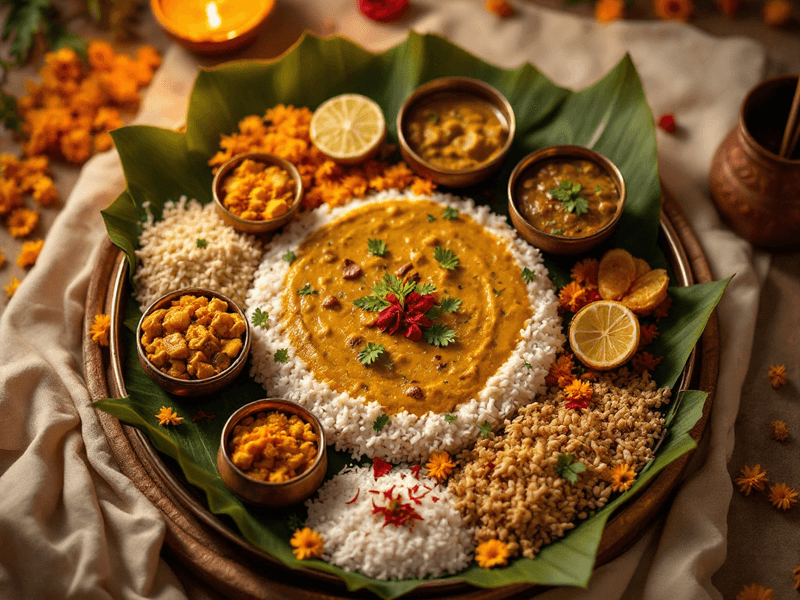
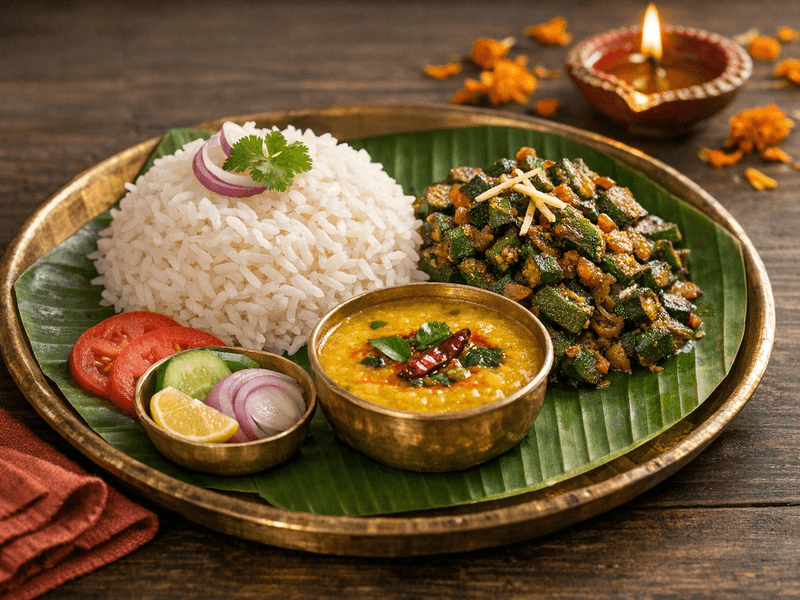
Dal Chawal with Bhindi Sabzi is a beloved staple meal across North India, cherished for its simplicity, nutrition, and comforting flavors. This wholesome lunch plate features fluffy steamed chawal (rice), creamy arhar dal (toor dal), and a side of crisp-tender bhindi sabzi (okra stir-fry). Often prepared in homes from Punjab to Uttar Pradesh, this classic combination is a daily favorite and also makes its way onto festival thalis during occasions like Navratri and Raksha Bandhan. The dal is delicately tempered with jeera (cumin), hing (asafoetida), and other spices, infusing it with earthy aromas, while the bhindi sabzi is cooked with minimal oil and gentle masalas, preserving its unique texture and flavor. Dal Chawal with Bhindi Sabzi is renowned for its balance—providing plant-based protein, healthy carbs, and dietary fiber in every bite. The taste is mild and homey, making it suitable for all ages, from children to elders. Traditionally served hot for lunch, this meal is deeply rooted in Indian culinary heritage, evoking the warmth of family kitchens and the joy of communal eating. Whether enjoyed after a busy morning or as part of a festive spread, this dish embodies the soul of North Indian comfort food.
Ingredients(for 1 medium bowl dal, 1 cup chawal, 1 cup bhindi sabzi)
- 1/2 cup Arhar dal (toor dal) (split pigeon peas)
- 3/4 cup Rice (chawal) (preferably basmati or sona masoori)
- 200 grams Bhindi (okra) (fresh, tender)
- 1 small Onion (finely chopped, for bhindi sabzi)
- 1 medium Tomato (finely chopped, for dal)
- 1 Green chilli (slit) - optional
- 1 inch Ginger (grated)
- 1 tsp Cumin seeds (jeera)
- 1/2 tsp Turmeric powder (haldi)
- 1/2 tsp Red chilli powder - optional
- a pinch Asafoetida (hing)
- 2 tbsp Mustard oil or sunflower oil (divided)
- to taste Salt
- 1 tbsp Fresh coriander leaves (finely chopped) - optional
Instructions
- 1
Rinse the arhar dal and soak for 10 minutes. Pressure cook dal with 1.5 cups water, turmeric, and a pinch of salt for 3 whistles. Let pressure release naturally.
10 minutes
Soaking dal ensures faster cooking and better digestibility.
- 2
While dal cooks, wash rice thoroughly. In a separate vessel, add washed rice with 1.5 cups water and a pinch of salt. Cook until soft and fluffy. Set aside.
12 minutes
Use a handi or pressure cooker for perfectly cooked chawal.
- 3
Wash, dry, and slice bhindi into 1-inch pieces. Heat 1 tbsp oil in a kadhai. Add jeera; once it crackles, add onions. Sauté till translucent.
5 minutes
Dry bhindi thoroughly to avoid sliminess during cooking.
- 4
Add bhindi to the kadhai. Stir fry on medium flame for 3-4 minutes. Add salt, sprinkle some turmeric and red chilli powder. Cook uncovered, stirring occasionally, till bhindi is cooked and crisp.
8 minutes
Do not cover bhindi while cooking; covering increases sliminess.
Why This Dish is Healthy
This dish is a healthy choice because it combines protein-rich dal, fiber-packed bhindi, and energy-giving rice in a low-fat, nutrient-dense meal. The use of whole ingredients, limited oil, and traditional Indian spices ensures you benefit from antioxidants and micronutrients. It's satiating yet light, making it suitable for weight management, diabetes, and heart health. Preparing dal chawal with bhindi sabzi encourages mindful eating and supports balanced nutrition, ideal for everyday Indian lunches.
Dal Chawal with Bhindi Sabzi offers a balanced profile of nutrients ideal for a health-conscious meal. Arhar dal is high in plant-based protein and dietary fiber, supporting muscle repair and digestion. Rice provides complex carbohydrates for energy, while bhindi is rich in soluble fiber, vitamin C, vitamin K, and antioxidants. The minimal use of oil and the inclusion of spices like turmeric and ginger add anti-inflammatory benefits. This meal is naturally gluten-free (if using gluten-free rice) and can be adapted for vegan diets easily.
Pro Tips
- 💡Tip 1: Always dry bhindi after washing to prevent stickiness.
- 💡Tip 2: Use fresh, seasonal vegetables for the best flavor and nutrition.
- 💡Tip 3: Add a dash of lemon juice to dal just before serving for enhanced taste and vitamin C.
Storage & Serving
Store dal and bhindi sabzi separately in airtight containers in the refrigerator for up to 2 days. Rice is best consumed fresh but can be refrigerated for 1 day. Reheat thoroughly before serving.
Best served: Lunch
Nutrition Facts
| Nutrient | Per 100g |
|---|---|
| Energy | 430.0 kcal |