Dal Chawal
Lunch • India
How to Make Dal Chawal (Traditional & Healthy Version)
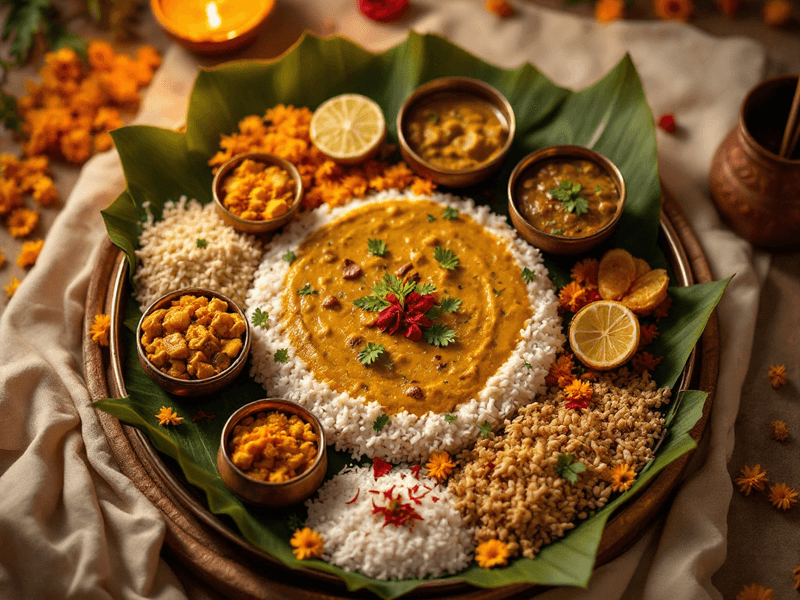
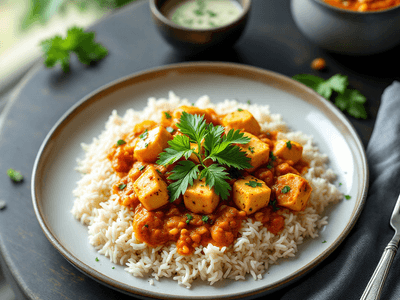
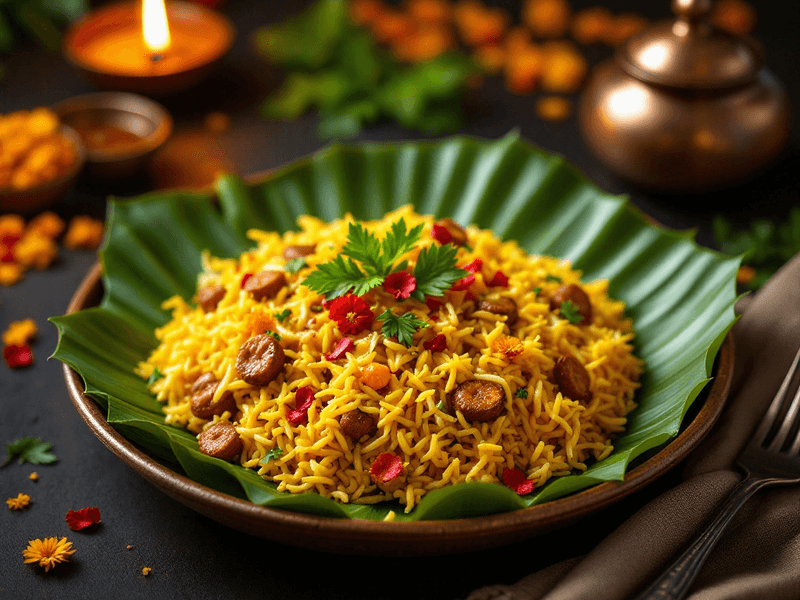
Dal Chawal, the quintessential North Indian comfort food, brings together aromatic steamed rice (chawal) and wholesome lentil curry (dal). This classic lunch dish is cherished across Indian households for its simplicity, balanced nutrition, and soul-satisfying taste. Dal Chawal is enjoyed daily in states like Punjab, Uttar Pradesh, Haryana, and Delhi, often served with a dollop of homemade ghee or a side of tangy pickle. The soft, fluffy chawal perfectly absorbs the flavors of the gently spiced dal, making each bite soothing and nourishing. This dish is not only a staple during regular meals but also features in festive spreads and religious observances, thanks to its sattvic (pure and vegetarian) nature. Lentils such as arhar (toor) dal or moong dal are commonly used, making Dal Chawal a protein-rich, vegetarian delight ideal for those who value health and tradition. Whether served in a thali during Diwali or relished as a weekday lunch, Dal Chawal is a symbol of home-cooked Indian warmth, ideal for all age groups.
Ingredients(for 1 medium bowl dal + 1 medium bowl chawal)
- 1/2 cup Toor dal (arhar dal) (yellow split pigeon peas)
- 1 cup Basmati rice (premium long grain rice)
- 3 cups Water (for cooking dal and rice)
- 1 small Onion (finely chopped (pyaaz))
- 1 medium Tomato (finely chopped (tamatar))
- 1 tsp Ginger-garlic paste (adrak-lahsun paste)
- 1/4 tsp Turmeric powder (haldi)
- 1/2 tsp Cumin seeds (jeera)
- 1 Green chili (finely chopped (hari mirch)) - optional
- to taste Salt (namak)
- 1 tsp Oil or ghee (use cold-pressed oil or desi ghee)
- 2 tbsp Fresh coriander leaves (hara dhaniya, chopped for garnish) - optional
Instructions
- 1
Rinse the toor dal thoroughly under running water. Add dal and 1.5 cups of water to a pressure cooker. Add turmeric and a pinch of salt. Pressure cook for 3 whistles or until dal is soft.
10 minutes
Soaking dal for 20 minutes reduces cooking time and aids digestion.
- 2
Rinse basmati rice until water runs clear. Add rice and 2 cups water to a separate vessel. Cook on a gas stove or in a rice cooker until grains are soft and fluffy.
15 minutes
Let the rice rest for 5 minutes after cooking for perfect texture.
- 3
Heat oil or ghee in a kadhai or deep pan. Add cumin seeds and let them splutter. Add chopped onions and sauté until golden.
3 minutes
Use minimal oil for a healthier tadka (tempering).
- 4
Add ginger-garlic paste and green chili. Sauté for a minute. Add chopped tomatoes and cook until soft and oil separates.
4 minutes
Mashing tomatoes with the back of a spoon enhances the dal's texture.
Why This Dish is Healthy
This Dal Chawal recipe is health-conscious as it uses minimal oil and incorporates whole, natural ingredients. Lentils provide sustained energy and help in muscle repair, while rice gives steady carbs for satiety. The dish is rich in protein, fiber, and micronutrients, making it suitable for weight management, diabetes control, and overall well-being. It's also easy to adapt for vegan or gluten-free diets.
Dal Chawal is a powerhouse of nutrition, offering high-quality plant protein from toor dal, complex carbohydrates from basmati rice, and dietary fiber from both. It is naturally low in fat and cholesterol-free when cooked with minimal oil. Dal also provides essential vitamins like B-complex, iron, folate, and magnesium, supporting heart health and energy levels. This combination is easy to digest and suitable for all age groups, making it an excellent choice for a balanced Indian vegetarian meal.
Pro Tips
- 💡Tip 1: Always soak dal for faster cooking and better digestion.
- 💡Tip 2: Use fresh coriander and a squeeze of lemon for a flavor boost.
- 💡Tip 3: For a creamy texture, mash some of the cooked dal before mixing with tadka.
Storage & Serving
Store leftover dal and rice separately in airtight containers in the refrigerator for up to 2 days. Reheat dal with a splash of water to refresh consistency before serving.
Best served: Lunch
Nutrition Facts
| Nutrient | Per 100g |
|---|---|
| Energy | 340.0 kcal |
| Protein | 4.0 g |
| Carbohydrates | 24.0 g |
| Total Fat | 2.0 g |
| Fiber | 2.0 g |