Dahiii
Lunch • India
How to Make Dahi (Traditional & Healthy Version)
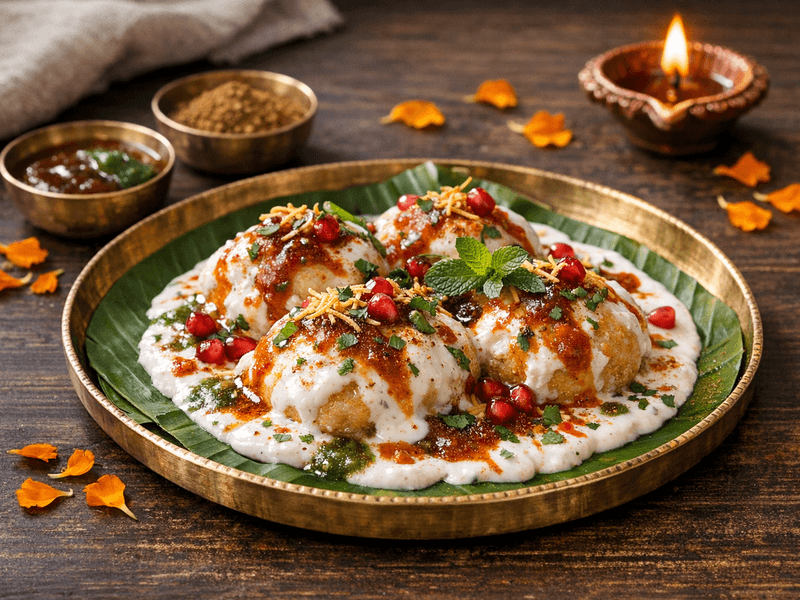
Dahi, also known as Indian curd, is a staple in Indian households, cherished for its cooling, creamy texture and tangy taste. Traditionally made by fermenting milk, dahi is an integral part of Indian cuisine, served as a side, in chaas, raita, or enjoyed plain. Its roots stretch back centuries, with references in ancient texts highlighting its role in daily meals and auspicious occasions. Dahi is not just a delicious accompaniment but also a symbol of purity and prosperity. In India, it is customary to offer dahi with gur (jaggery) during festivals like Makar Sankranti, and before significant events as a good luck charm. Its probiotic-rich nature makes it ideal for the Indian climate, soothing the digestive system, especially in summer. Making dahi at home is simple, requires minimal ingredients, and ensures you get all the nutritional benefits without added preservatives. This healthy, vegetarian recipe is perfect for lunch, especially when paired with paratha or rice, and is loved by all age groups.
Ingredients(for 1 small katori (approx. 100g) per serving)
- 500 ml Full cream milk (doodh)
- 1 tbsp Curd starter (jaag or previous day's dahi)
- 1/4 tsp Green cardamom powder (elaichi, optional for aroma) - optional
- 1 tsp Jaggery powder (gur, for a sweet variant) - optional
- 1 tsp Chopped mint leaves (pudina, optional for garnish) - optional
- Pinch Rock salt (sendha namak, optional for taste) - optional
Instructions
- 1
Boil the full cream milk thoroughly in a handi or saucepan. Allow it to simmer for 3-4 minutes to ensure it is well pasteurized.
6 minutes
Always use fresh, good-quality milk for thick and creamy dahi.
- 2
Let the milk cool until it is just warm (lukewarm to the touch, not hot). This is crucial for proper fermentation.
8 minutes
Test by dipping your finger – it should feel comfortably warm, not hot.
- 3
In a clean earthen pot (matka) or stainless steel bowl, add the curd starter (jaag) and spread it evenly at the bottom.
1 minute
Matka enhances the flavor and sets the dahi thicker.
- 4
Pour the lukewarm milk gently into the bowl. Do not disturb the starter.
1 minute
Pour from the side to prevent mixing the starter into the milk.
Why This Dish is Healthy
This homemade dahi recipe uses only two natural ingredients—milk and curd starter—without any additives or preservatives. Its probiotic content supports digestion, while the protein and calcium help build muscle and bone strength. By using full cream or toned milk, you can control the fat content. Dahi is low in sugar and can be enjoyed by those watching their weight, making it a staple in healthy Indian lunch menus.
Dahi is an excellent source of high-quality protein, calcium, vitamin B12, and probiotics that support gut health. It provides essential nutrients for bone strength and immune function. The live cultures in homemade dahi aid digestion and promote a balanced gut microbiome. With low carbohydrates and healthy fats, dahi is suitable for most diets and is naturally gluten-free, making it a nutritious addition to vegetarian meals.
Pro Tips
- 💡Tip 1: Use earthenware (matka) for a thicker and richer taste.
- 💡Tip 2: In winter, keep the dahi container near a warm place, like the kitchen stove, to help it set.
- 💡Tip 3: Save a spoonful of dahi from each batch as the starter for your next preparation.
Storage & Serving
Store homemade dahi in an airtight container in the refrigerator. Consume within 2-3 days for best freshness and probiotic benefits. Always use a clean spoon to avoid contamination.
Best served: Lunch
Nutrition Facts
| Nutrient | Per 100g |
|---|---|
| Energy | 250.0 kcal |