Curry Leaves Rice
Lunch • India
How to Make Curry Leaves Rice (Traditional & Healthy Version)
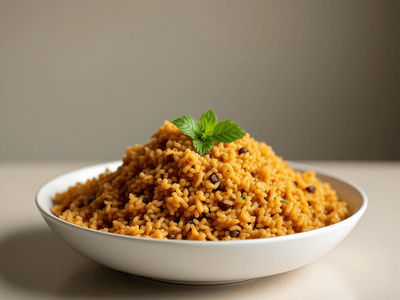
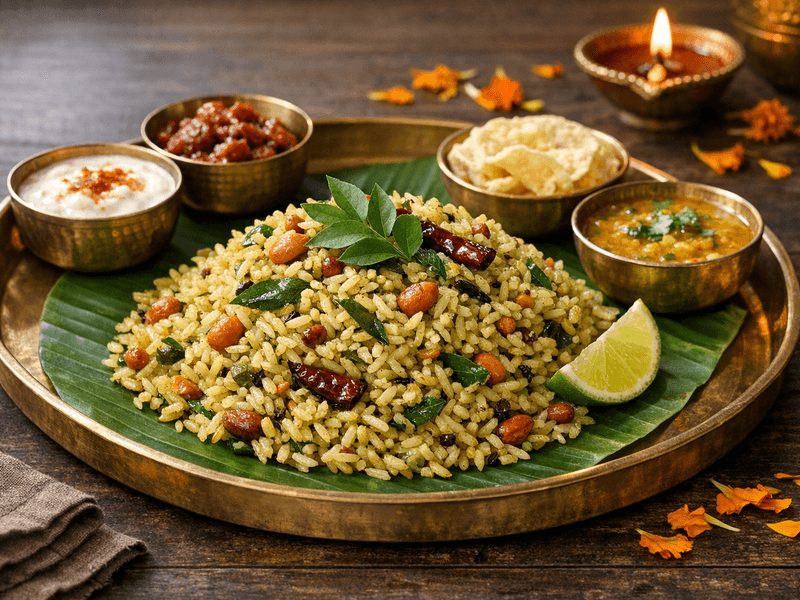
Curry Leaves Rice, known as 'Karuveppilai Sadam' in Tamil, is a fragrant and wholesome rice dish from the heart of South India. This unique preparation showcases the aromatic curry leaves—an essential ingredient in Indian kitchens—infusing the rice with a burst of earthy, citrusy flavors. Traditionally part of Tamil Nadu and Andhra Pradesh cuisines, Curry Leaves Rice is a popular lunchbox choice, especially during summer months and festivals when light, nutritious meals are preferred. This dish is not only a celebration of regional produce but also a clever way to incorporate the medicinal benefits of curry leaves, which are revered in Ayurveda for their digestive and antioxidant properties. With its delightful blend of spices, lentils (dal), and crunchy nuts, Curry Leaves Rice stands out as a satisfying yet health-conscious option. It’s quick to prepare, making it ideal for busy weekdays, and is perfect for those seeking a vegetarian, gluten-free meal packed with authentic Indian flavors. Whether served during local festivals or as a comforting lunch at home, this rice dish is sure to bring a taste of South Indian tradition to your table.
Ingredients(for 1 medium bowl (approx. 200g cooked rice))
- 2 cups Cooked rice (preferably short-grain or sona masoori)
- 1 cup Fresh curry leaves (karuveppilai/kadi patta, tightly packed)
- 1 tablespoon Urad dal (split black gram)
- 1 tablespoon Chana dal (split Bengal gram)
- 1 teaspoon Mustard seeds (rai)
- 2 Dry red chillies (broken)
- 1 Green chillies (slit)
- 2 tablespoons Raw peanuts (mungfali)
- 1/4 teaspoon Asafoetida (hing)
- 1/2 teaspoon Turmeric powder (haldi)
- to taste Salt
- 2 teaspoons Cold pressed sesame oil (gingelly oil/til ka tel)
Instructions
- 1
Spread the cooked rice on a large plate and let it cool to room temperature, ensuring grains are separate.
5 minutes
Use leftover rice for best texture and to prevent mushiness.
- 2
Heat 1 teaspoon sesame oil in a heavy-bottomed kadai. Add peanuts and fry on medium flame until golden and crunchy. Remove and set aside.
3 minutes
Stir continuously to avoid burning the peanuts.
- 3
In the same kadai, add remaining oil. Splutter mustard seeds, then add urad dal and chana dal. Fry until dals turn golden.
2 minutes
Keep flame low to avoid over-browning the dals.
- 4
Add dry red chillies, green chilli, asafoetida, and turmeric powder. Toss in the fresh curry leaves and sauté until they turn crisp and aromatic.
3 minutes
Curry leaves should be washed and thoroughly dried before use for best flavor.
Why This Dish is Healthy
This dish is a healthy choice because it is minimally processed, uses wholesome ingredients, and is cooked with very little oil. Curry leaves support hair health, aid digestion, and help regulate blood sugar levels. Peanuts and dals enhance satiety, preventing overeating. With no refined sugars or heavy fats, Curry Leaves Rice fits perfectly into weight management, diabetic, and heart-healthy diets. Its simplicity ensures maximum nutritional value is retained in every bite.
Curry Leaves Rice is rich in antioxidants, dietary fiber, and essential minerals like iron and calcium from curry leaves. The addition of dals and peanuts provides plant-based protein and healthy fats, while sesame oil contributes heart-healthy unsaturated fats. The dish is naturally gluten-free and vegetarian, and can easily be made vegan by omitting curd as an accompaniment. Turmeric adds anti-inflammatory benefits, and the moderate use of spices supports digestion. This meal offers a balanced mix of macros with a focus on complex carbohydrates and micronutrients.
Pro Tips
- 💡Tip 1: Always use fresh, tender curry leaves for the best aroma and nutritional value.
- 💡Tip 2: Let the rice cool completely before mixing to avoid clumping.
- 💡Tip 3: Add a spoonful of lemon juice at the end for a refreshing twist.
Storage & Serving
Store Curry Leaves Rice in an airtight container in the refrigerator for up to 2 days. Reheat gently on a tawa or in a microwave, sprinkling a few drops of water to retain moisture. Best enjoyed fresh for maximum flavor.
Best served: Breakfast or Lunch
Nutrition Facts
| Nutrient | Per 100g |
|---|---|
| Energy | 230.0 kcal |
| Protein | 3.0 g |
| Carbohydrates | 30.0 g |
| Total Fat | 4.0 g |
| Fiber | 2.0 g |